Explore India’s Rich Culture and Traditions Through Festivals
Indian Festival Tourism: Celebrating Culture, Traditions, and Travel
Indian Festival Tourism offers travelers a vibrant way to experience India's cultural diversity through celebrations, traditions, music, food, rituals, art, and community gatherings. From colorful regional festivals to major national celebrations, festivals provide visitors with opportunities to experience destinations at their most lively and culturally distinctive.
India's tourism landscape includes a wide range of religious, cultural, seasonal, harvest, and community festivals. For travelers, these events can transform a destination from a sightseeing location into an immersive cultural experience.
What Is Indian Festival Tourism?
Indian festival tourism refers to travel motivated partly or primarily by participation in, or observation of, festivals and cultural celebrations across India.
Festival travelers may experience:
Traditional ceremonies
Cultural performances
Local music and dance
Regional cuisine
Handicraft markets
Religious traditions
Processions
Folk art
Community celebrations
Seasonal and harvest traditions
Festival tourism can also support local accommodation providers, restaurants, artisans, guides, transport businesses, and other community enterprises.
Why Festival Tourism Is Popular in India
India's cultural diversity makes festival tourism particularly attractive. Different states and communities celebrate festivals in distinctive ways, with their own foods, clothing, music, rituals, decorations, and artistic traditions.
A traveler visiting during a major festival can experience aspects of local culture that may not be visible during an ordinary sightseeing trip.
Festival travel can also encourage visitors to explore smaller towns, villages, heritage areas, and rural destinations beyond India's major tourist cities.
Diwali Tourism
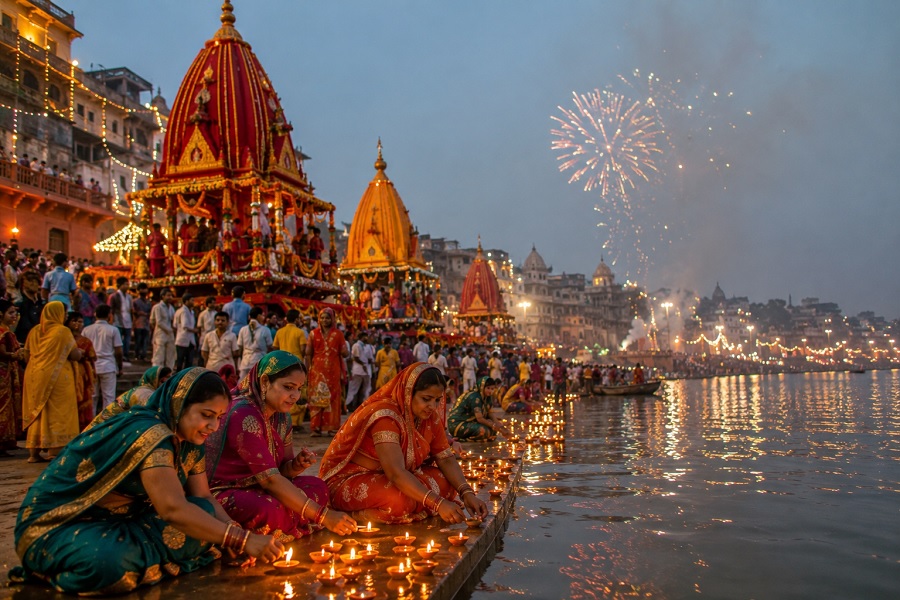
Diwali, the Festival of Lights, is one of India's most widely celebrated festivals. Travelers can experience illuminated streets, decorated homes, traditional sweets, cultural events, and festive markets.
Cities and towns across India have their own Diwali traditions. Visitors should respect local customs and follow safety rules, particularly around fireworks and crowded public spaces.
Holi Festival Tourism
Holi is known internationally for its colorful celebrations. Destinations such as Mathura and Vrindavan are particularly associated with Holi traditions and attract travelers interested in experiencing the festival's cultural atmosphere.
Travelers should follow local guidance, protect personal belongings, respect people's consent before applying colors, and choose organized events where appropriate.
Durga Puja Tourism
Durga Puja is one of the most important festivals in West Bengal and is especially prominent in Kolkata.
Visitors can explore elaborately decorated pandals, artistic installations, cultural performances, traditional food, and community celebrations.
The festival also provides opportunities to appreciate local craftsmanship, sculpture, design, music, and contemporary artistic expression.
Ganesh Festival Tourism
Ganesh Chaturthi is strongly associated with Maharashtra, particularly Mumbai and Pune, although it is celebrated in many other parts of India.
Travelers can witness decorated public installations, cultural programs, processions, music, and community celebrations.
Responsible visitors should follow crowd-management instructions and respect religious practices during the festival.
Navratri Tourism
Navratri celebrations vary across India. Gujarat is particularly known for Garba and Dandiya Raas events, while other regions observe different cultural and religious traditions.
Festival visitors can enjoy traditional clothing, music, dance, local food, and community events while learning about the cultural significance of the celebrations.
Onam Tourism in Kerala
Onam is an important cultural festival in Kerala. Travelers visiting during the season may experience traditional decorations, cultural performances, local cuisine, boat races, and community celebrations.
The festival offers visitors a way to explore Kerala's food traditions, arts, heritage, and rural culture.
Pongal Tourism
Pongal, celebrated primarily in Tamil Nadu, is a harvest festival associated with agriculture, family traditions, food, and gratitude.
Travelers can experience decorated homes, traditional dishes, rural activities, cultural programs, and local celebrations.
Pongal tourism can be especially interesting for visitors who want to explore the connection between agriculture and Tamil cultural heritage.
Bihu Festival Tourism
Assam's Bihu celebrations provide travelers with opportunities to experience traditional music, dance, food, clothing, and agricultural traditions.
The festival is closely connected with Assamese culture and seasonal cycles, making it an important experience for cultural and rural tourism.
Pushkar Fair Tourism
The Pushkar Fair in Rajasthan combines cultural activities, rural traditions, livestock trading, local markets, and tourism.
Visitors can experience folk music, handicrafts, traditional clothing, local food, photography opportunities, and the atmosphere of one of Rajasthan's best-known cultural events.
Travelers should remember that fairs can become extremely crowded, so advance accommodation planning is important.
Kumbh Mela Tourism
The Kumbh Mela is one of the world's largest religious gatherings. Its scale, cultural significance, spiritual practices, and temporary infrastructure make it a unique travel experience.
Visitors should plan carefully because accommodation, transportation, security, sanitation, and crowd conditions can be very different from normal travel.
Respect for religious practices and local instructions is essential.
Festival Food Tourism
Food is one of the most enjoyable elements of Indian festival tourism.
Travelers can discover:
Traditional sweets
Regional snacks
Festival meals
Seasonal dishes
Street food
Traditional beverages
Home-style cuisine
Community feasts
Festival food also provides insight into regional history and cultural traditions.
Visitors with allergies or dietary restrictions should communicate their requirements clearly and choose food vendors carefully.
Traditional Music and Dance
Indian festivals frequently feature regional music and dance traditions.
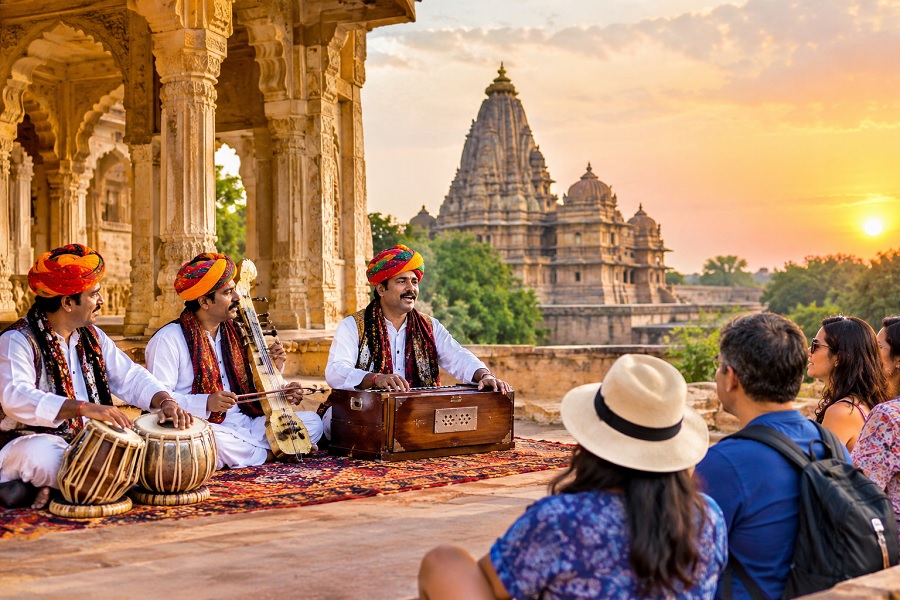
Depending on the destination, travelers may experience Garba, Bhangra, Kathak, folk dances, classical performances, drum traditions, devotional music, and local theatrical performances.
These performances can make festival tourism a valuable cultural learning experience.
Handicrafts and Festival Markets
Festival markets often provide opportunities to discover locally made products.
Visitors can find:
Handwoven textiles
Pottery
Jewelry
Decorative items
Paintings
Woodwork
Handmade toys
Traditional clothing
Regional souvenirs
Purchasing directly from local artisans can help support small businesses and traditional craft communities.
Rural Festival Tourism
Some of India's most interesting festival experiences take place outside major cities.
Rural festivals can introduce travelers to agricultural traditions, village food, folk music, traditional games, handicrafts, and community celebrations.
Rural festival tourism can also distribute tourism income beyond major urban destinations when developed responsibly.
Family Festival Tourism
Festivals can provide educational travel experiences for families.
Children can learn about:
Indian traditions
Regional foods
Traditional clothing
Music and dance
Local crafts
History
Community customs
Parents should choose age-appropriate events and consider crowd conditions, weather, transportation, and accommodation when traveling with children.
Sustainable Festival Tourism
Large festivals can create challenges involving waste, traffic, water use, energy consumption, and crowd management.
Travelers can contribute to more responsible festival tourism by:
Carrying reusable water bottles
Avoiding unnecessary plastic
Using public transportation when available
Respecting local rules
Disposing of waste properly
Supporting local businesses
Avoiding damage to cultural sites
Respecting religious and community practices
Festival organizers and local authorities also play an important role in creating sustainable events.
Tips for Planning an Indian Festival Trip
Festival travel requires more preparation than an ordinary holiday.
Travelers should:
Check the exact festival dates before booking.
Reserve accommodation early for popular festivals.
Research local customs.
Plan transportation in advance.
Carry appropriate clothing.
Expect large crowds at major events.
Keep valuables secure.
Stay hydrated.
Follow official safety instructions.
Respect photography restrictions.
Learn a few local phrases where useful.
Allow extra time for traffic and transportation delays.
Best Festival Tourism Experiences in India
Travelers can explore different festival themes depending on their interests:
Cultural festivals: Durga Puja, Hornbill Festival, and regional folk celebrations.
Religious festivals: Diwali, Kumbh Mela, Ganesh Chaturthi, and many regional temple festivals.
Harvest festivals: Pongal, Bihu, Onam, and other agricultural celebrations.
Music and dance festivals: Regional folk and classical cultural events.
Food festivals: Events showcasing local cuisine, traditional recipes, sweets, and regional specialties.
Craft festivals: Events focused on textiles, handicrafts, art, and traditional skills.
The Future of Indian Festival Tourism
Festival tourism is likely to remain an important part of India's travel industry as visitors increasingly look for immersive cultural experiences rather than conventional sightseeing.
Digital promotion, improved transportation, better accommodation, local tourism initiatives, and sustainable event management can help destinations attract visitors while protecting cultural heritage.
The strongest festival tourism experiences will combine authentic community participation with responsible visitor management and preservation of local traditions.
Conclusion
Indian Festival Tourism offers travelers an opportunity to discover the country's cultural diversity through celebrations, food, music, dance, art, spirituality, handicrafts, and community traditions.
From Diwali and Holi to Durga Puja, Ganesh Chaturthi, Onam, Pongal, Bihu, and major cultural fairs, each festival provides a different perspective on India's heritage.
For travelers, the key is to plan carefully, respect local traditions, support local communities, and travel responsibly. When managed thoughtfully, festival tourism can create memorable experiences while contributing to the preservation and appreciation of India's rich cultural heritage.