Ecotourism: Traveling Responsibly for a Sustainable Future

Introduction
Ecotourism is more than just visiting natural landscapes—it’s a conscious way of traveling that prioritizes environmental conservation, cultural respect, and community empowerment. It invites travelers to explore the world while leaving a positive impact behind.
What Is Ecotourism?
Ecotourism refers to responsible travel to natural areas that conserves the environment, sustains the well-being of local people, and involves education. Unlike mass tourism, it emphasizes low-impact experiences that foster appreciation for biodiversity and cultural heritage.
Core Principles:
Minimize environmental footprint
Build environmental and cultural awareness
Provide financial benefits for conservation
Empower local communities
Deliver enriching experiences for travelers
Benefits of Ecotourism
Environmental Protection
Revenue from ecotourism supports conservation projects, national parks, and wildlife sanctuaries, reducing reliance on destructive industries.
Community Development
Local communities gain employment, entrepreneurship opportunities, and infrastructure improvements. Indigenous traditions and knowledge are preserved and celebrated.
Education and Awareness
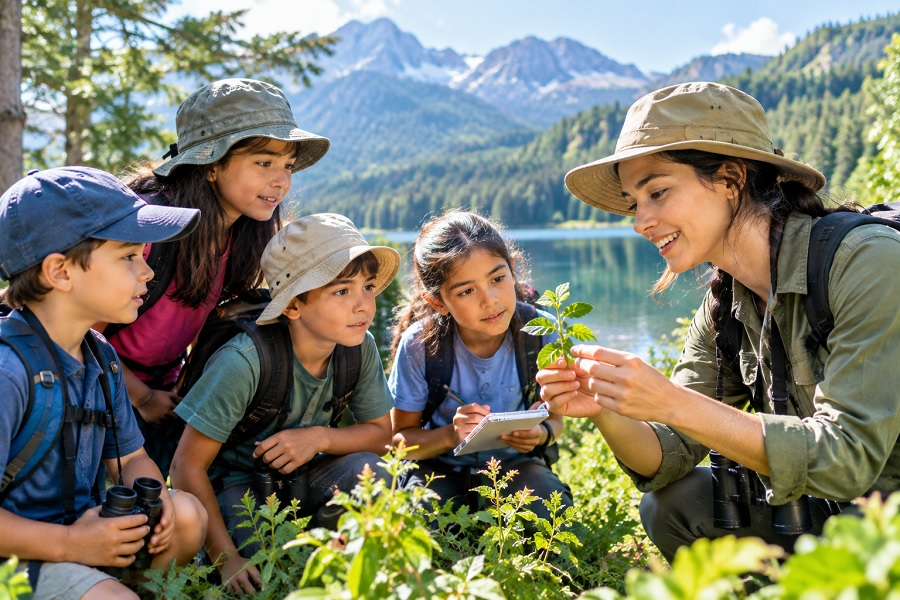
Travelers learn about ecosystems and cultures through guided tours, wildlife observation, and cultural exchanges, fostering respect and curiosity.
Challenges and Considerations
Greenwashing: Some “eco” labels are misleading—look for certifications like GSTC or Rainforest Alliance.
Overtourism: Even eco-destinations can suffer from crowding; travel off-season or choose lesser-known spots.
Cultural Sensitivity: Respect local customs and avoid exploitative practices.
How to Be a Responsible Ecotourist
Stay in eco-certified accommodations
Support local guides and artisans
Avoid single-use plastics and leave no trace
Choose wildlife experiences that prioritize animal welfare
Learn about the culture and ecology before visiting