Eco Whale Watching: A Sustainable Way to Experience Marine Giants
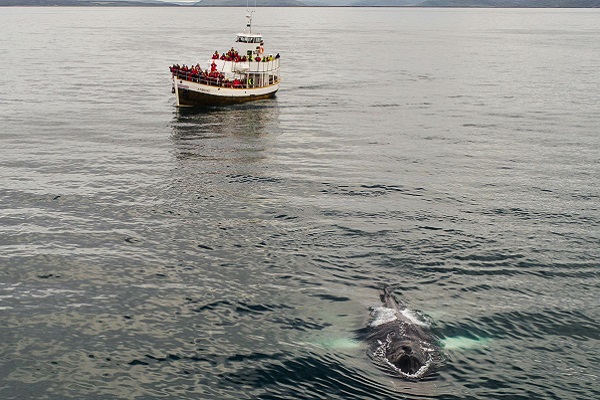
Eco whale watching is one of the most awe-inspiring and responsible ways to experience marine life while supporting conservation efforts. Unlike traditional wildlife tourism, eco whale watching focuses on minimizing environmental impact, respecting natural habitats, and educating travelers about the importance of protecting these majestic ocean creatures.
What is Eco Whale Watching?
Eco whale watching is a sustainable tourism activity that allows travelers to observe whales in their natural habitat without disturbing them. It follows strict guidelines such as maintaining safe distances, limiting boat speeds, and avoiding any actions that may stress or harm the animals.
This form of tourism emphasizes conservation, education, and community involvement, making it a powerful tool in protecting marine ecosystems.
Why Eco Whale Watching Matters
Whales play a vital role in maintaining the health of marine ecosystems. They help regulate ocean food chains and even contribute to carbon capture. Eco-friendly whale watching ensures that these creatures are protected while allowing people to appreciate their beauty.
Additionally, it provides economic benefits to coastal communities, encouraging them to protect marine life rather than exploit it.
Top Destinations for Eco Whale Watching
Some of the best places in the world for eco whale watching include:
Kaikoura, New Zealand – Known for year-round whale sightings
Húsavík, Iceland – Often called the whale watching capital of Europe
Monterey Bay, California – Rich marine biodiversity
Hervey Bay, Australia – Famous for humpback whale migration
Mirissa, Sri Lanka – A hotspot for blue whale sightings
These destinations follow sustainable tourism practices and offer guided eco-tours led by experts.
Responsible Whale Watching Guidelines
To ensure a safe and ethical experience, follow these key practices:
Maintain a safe distance from whales
Avoid loud noises and sudden movements
Choose certified eco-tour operators
Limit the time spent near whale pods
Never feed or attempt to touch whales
By following these guidelines, tourists can enjoy a memorable experience without harming marine life.
Benefits of Eco Whale Watching
Eco whale watching offers multiple benefits:
Conservation Support: Funds research and protection programs
Education: Raises awareness about marine ecosystems
Sustainable Economy: Supports local communities
Low Environmental Impact: Promotes responsible tourism
It transforms a simple sightseeing activity into a meaningful environmental contribution.
Challenges in Whale Watching Tourism
Despite its benefits, whale watching faces challenges such as:
Overcrowding of boats
Unregulated operators
Disturbance to whale behavior
Pollution from marine vessels
Addressing these issues requires stricter regulations and increased awareness among tourists.
The Future of Eco Whale Watching
With growing awareness about sustainability, eco whale watching is becoming increasingly popular. Innovations such as electric boats, stricter guidelines, and community-led initiatives are shaping a more responsible future for marine tourism.
Travelers today are more conscious of their environmental footprint, making eco-friendly experiences like whale watching an essential part of sustainable travel.
Final Thoughts
Eco whale watching is more than just an adventure—it’s a chance to connect with nature, support conservation, and make a positive impact on the planet. By choosing responsible practices, you can witness the beauty of whales while helping preserve their world for future generations.