Discover Sikh History, Heritage, and Culture Through Meaningful Travel
Sikh Heritage Tourism: Exploring India’s Rich Sikh Culture and History
Sikh Heritage Tourism offers travelers an opportunity to explore the spiritual, historical, architectural, and cultural traditions associated with Sikhism. From the sacred atmosphere of Sri Harmandir Sahib in Amritsar to the historic Sikh sites of Anandpur Sahib and Fatehgarh Sahib, these journeys combine pilgrimage with heritage, history, community traditions, and cultural discovery.
Punjab is especially important for Sikh heritage tourism, with its gurdwaras, historic sites, museums, festivals, traditional food, music, and living cultural practices.
What Is Sikh Heritage Tourism?
Sikh Heritage Tourism is travel focused on discovering Sikh religious and historical heritage. It can include visiting gurdwaras, historic towns, museums, memorials, cultural centers, and places associated with the Sikh Gurus and Sikh history.
For many visitors, the experience is both educational and spiritual. For others, it provides an opportunity to understand Punjab's architecture, traditions, hospitality, cuisine, music, and community life.
Golden Temple and Amritsar
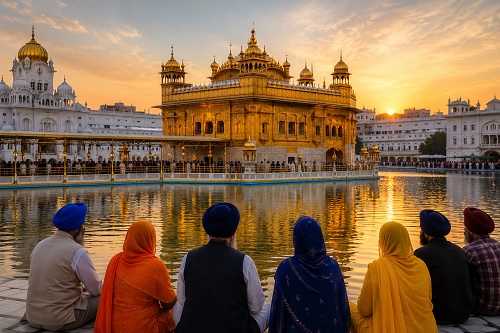
Amritsar is one of the most important destinations for Sikh heritage tourism. At its center is Sri Harmandir Sahib, popularly known as the Golden Temple, a major Sikh pilgrimage site and a symbol of spirituality, equality, service, and community.
The temple complex surrounds the Amrit Sarovar and is known for its distinctive architecture, devotional music, sacred atmosphere, and the tradition of Guru Ka Langar, the community kitchen where meals are served to visitors regardless of background.
A cultural visit to Amritsar can also include the Central Sikh Museum, Jallianwala Bagh, Khalsa College, Gobindgarh Fort, Ram Bagh Gardens, and other historic attractions.
Anandpur Sahib: A Major Sikh Heritage Destination
Anandpur Sahib is one of the most historically significant Sikh cities. It is associated with important events in Sikh history and is home to Gurdwara Sri Anandpur Sahib and Kila Sri Kesgarh Sahib.
The city is also closely associated with Hola Mohalla, an important Sikh festival featuring religious gatherings and traditional cultural activities.
Visitors can combine a spiritual visit with museums and heritage attractions, making Anandpur Sahib an important destination for travelers interested in Sikh history and culture.
Fatehgarh Sahib and Other Heritage Sites
Fatehgarh Sahib is another important destination within Sikh heritage circuits. Other places of significance include Chamkaur Sahib, Tarn Taran Sahib, Patna Sahib, Nanded's Hazur Sahib, and several historic gurdwaras across India.
The Government of India has supported heritage and pilgrimage tourism initiatives involving Sikh heritage destinations in Punjab, including Anandpur Sahib, Fatehgarh Sahib, Chamkaur Sahib, and Amritsar.
Sikh Architecture and Gurdwara Tourism
Gurdwaras are an important part of Sikh cultural landscapes. Visitors can observe architectural features, decorative details, sacred spaces, courtyards, domes, sarovars, and community facilities.
However, these are places of worship rather than conventional tourist attractions. Visitors should therefore approach them with respect and follow the instructions provided at each site.
Sikh Heritage and Community Service
One of the most meaningful experiences for many visitors is learning about seva, or selfless service.
The tradition of langar demonstrates the Sikh principle of serving people without discrimination. Visitors may be able to participate in appropriate forms of volunteering according to the practices and guidance of the gurdwara.
The Golden Temple's langar is widely recognized as an expression of equality, community service, and hospitality.
Sikh Festivals and Cultural Tourism
Festivals can add a special dimension to Sikh heritage travel. Baisakhi, Gurpurabs, and Hola Mohalla provide opportunities to experience devotional gatherings, traditional music, processions, community activities, and local food.
Travelers should check official event information before planning a festival visit because schedules and arrangements can vary.
Sikh Museums and Historical Learning
Museums and interpretation centers can help visitors understand Sikh history beyond religious sites.
Travelers can explore historical objects, manuscripts, artwork, photographs, weapons, clothing, and other cultural materials where displayed. Such visits provide context for understanding the development of Sikh communities and their historical experiences.
Sikh Food and Culinary Tourism
Sikh heritage travel can also include Punjabi culinary experiences. Visitors can discover dishes such as Amritsari kulcha, dal, seasonal vegetables, lassi, parathas, and traditional sweets.
Food experiences can be combined with visits to local markets and restaurants, creating a broader understanding of Punjabi hospitality and everyday culture. Amritsar is particularly well known for its local food scene.
Sikh Heritage Tourism for International Visitors
International travelers can create cultural itineraries around important Sikh heritage destinations in India.
A journey could include:
Amritsar
Anandpur Sahib
Fatehgarh Sahib
Chamkaur Sahib
Patna Sahib
Hazur Sahib, Nanded
Historic gurdwaras
Sikh museums
Punjabi cultural experiences
Travelers can combine these destinations with India's broader heritage, food, architecture, and nature attractions.
Responsible Sikh Heritage Tourism
Respect is essential when visiting Sikh religious and cultural sites.
Visitors should follow local instructions regarding head coverings, footwear, clothing, photography, food, and behavior. At gurdwaras, travelers should maintain a respectful attitude and avoid treating religious ceremonies as entertainment.
Learning a little about Sikh customs before visiting can make the experience more meaningful.
Best Time for Sikh Heritage Travel
Travel can be planned throughout the year, but festival periods can offer especially vibrant cultural experiences. However, major celebrations can also be crowded.
Travelers seeking a quieter experience may prefer non-festival periods and should check current opening arrangements and local travel conditions before departure.
Sikh Heritage Tourism and Sustainable Travel
Responsible tourism can help preserve historic sites and support local communities.
Travelers can contribute by using local services, purchasing appropriate locally made products, avoiding litter, respecting heritage structures, and following conservation guidelines.
Government tourism initiatives have also focused on improving infrastructure and visitor facilities around heritage and pilgrimage destinations.
Why Sikh Heritage Tourism Matters
Sikh heritage tourism provides a way to discover much more than historic buildings. It introduces visitors to principles of service, equality, community, courage, hospitality, and devotion.
The experience can connect religious heritage with architecture, history, food, music, festivals, museums, and everyday community life.
Conclusion
Sikh Heritage Tourism is a meaningful way to explore India's spiritual and cultural diversity. From the serene surroundings of the Golden Temple in Amritsar to the historic landscape of Anandpur Sahib and other important Sikh heritage destinations, travelers can experience centuries of history and living traditions.
With respectful travel practices, cultural awareness, and responsible tourism, a Sikh heritage journey can become an enriching experience for pilgrims, history enthusiasts, families, international visitors, and anyone interested in India's diverse cultural heritage.