Best Snow Trekking Destinations in India for Winter
Best Winter Treks for Snow Lovers: Top Snowy Adventures in India
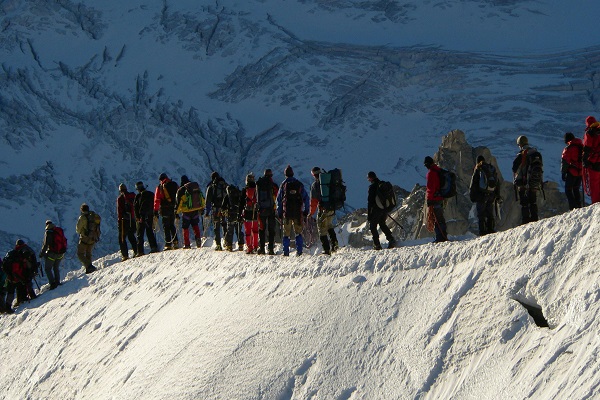
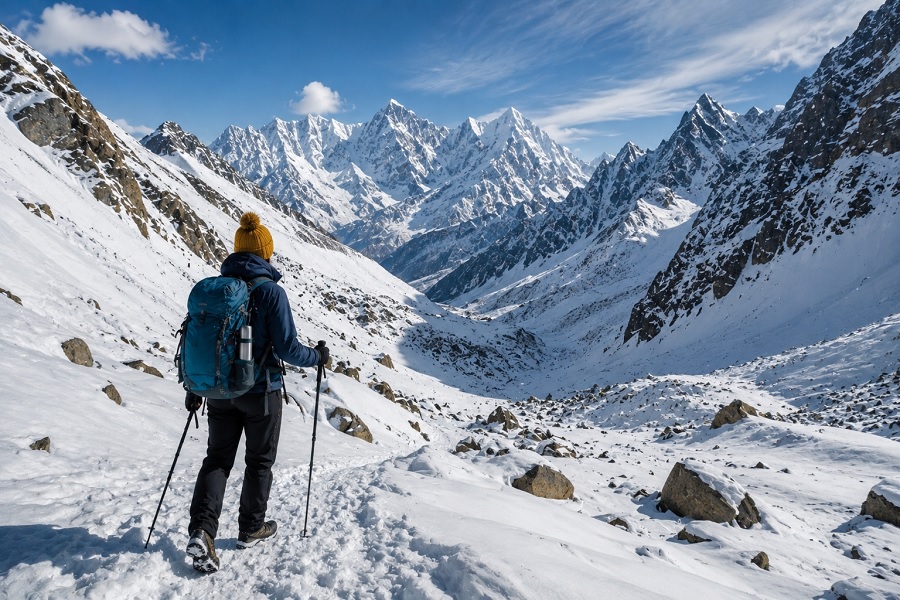
Winter transforms the Indian Himalayas into a magical white wonderland. Snow-covered forests, frozen lakes, sparkling trails, breathtaking mountain peaks and peaceful valleys make the colder months perfect for trekking enthusiasts. For those who love snow and adventure, India offers several spectacular winter treks ranging from beginner-friendly trails to challenging frozen-river expeditions.
Among the most popular options are Kedarkantha, Brahmatal, Dayara Bugyal, Kuari Pass, Sandakphu and the famous Chadar Trek. The ideal trek depends on your fitness level, trekking experience and the kind of winter adventure you want.
1. Kedarkantha Trek – The Classic Snow Trek
Located in Uttarakhand, Kedarkantha is one of India's most popular winter treks. The trail passes through beautiful pine and oak forests, snow-covered campsites and open mountain ridges before reaching the summit.
Altitude: Around 12,500 feet
Duration: Approximately 5–6 days
Difficulty: Easy to Moderate
Best Time: December to March
Starting Point: Sankri
Kedarkantha is particularly attractive to beginners because it combines snow, camping, forest trails and a summit experience in one trek. The famous Juda Ka Talab campsite and panoramic summit views are among its highlights.
2. Brahmatal Trek – Snow and Frozen Lakes
Brahmatal in Uttarakhand is an excellent choice for trekkers looking for snow-covered landscapes and frozen alpine lakes. The trail winds through forests and snowy ridges, offering magnificent views of Mt. Trishul and Nanda Ghunti.
Altitude: Around 12,250 feet
Duration: About 6 days
Difficulty: Easy to Moderate
Best Time: December to March
Highlights: Frozen lake, snowy forests and Himalayan panoramas
Brahmatal is often preferred by trekkers who want a quieter snow experience combined with dramatic mountain scenery.
3. Dayara Bugyal Trek – Snow-Covered Meadows
Dayara Bugyal is famous for its vast alpine meadows. During winter, these meadows can become covered in snow, creating a spectacular white landscape surrounded by Himalayan peaks.
Altitude: Around 12,000 feet
Duration: Around 4–5 days
Difficulty: Easy
Best Time: December to February
The trek is particularly appealing to first-time trekkers and nature photographers because of its wide-open snowfields and panoramic mountain views.
4. Kuari Pass Trek – Panoramic Himalayan Views
Kuari Pass is a classic Garhwal Himalayan trek known for its spectacular mountain views. During winter, the route offers snow-covered forests, meadows and impressive views of peaks including Nanda Devi and Dronagiri.
Altitude: Around 12,500 feet
Duration: Approximately 5–7 days
Difficulty: Easy to Moderate
Best Time: December to March
This trek is ideal for people who want a combination of snowy landscapes and dramatic Himalayan panoramas.
5. Sandakphu–Phalut Trek – For Mountain View Lovers
Located in West Bengal near the Himalayan border region, the Sandakphu–Phalut trek is famous for its extraordinary mountain views. On clear days, trekkers can see some of the world's highest peaks, including Everest and Kanchenjunga.
Altitude: Around 11,900 feet at Sandakphu
Duration: Approximately 6–8 days
Difficulty: Moderate
Best Time: December to April
This trek is an excellent choice for photographers and trekkers who want expansive Himalayan views along with winter landscapes.
6. Chadar Trek – The Ultimate Frozen Adventure
For experienced adventurers, the Chadar Trek in Ladakh offers one of India's most unusual winter trekking experiences. Instead of following a conventional mountain trail, trekkers travel along sections of the frozen Zanskar River.
Altitude: Around 11,000 feet
Duration: Approximately 7–9 days
Difficulty: Difficult
Best Time: Generally January to February
The extreme cold, changing ice conditions and demanding terrain make Chadar unsuitable for beginners. Proper preparation, experienced guides and suitable equipment are essential.
7. Deoriatal–Chandrashila Trek – Short Winter Escape
The Deoriatal–Chandrashila route is another popular winter option in Uttarakhand. Snow-covered trails, forests and spectacular sunrise views make it an attractive choice for people who want a relatively short Himalayan adventure.
The Chandrashila summit provides impressive panoramic views of several Himalayan peaks. It can be a good option for trekkers looking for a shorter snow adventure, although winter conditions can still make the trail challenging.
Which Winter Trek Is Best for You?
For beginners: Dayara Bugyal or Kedarkantha
For snow and frozen lakes: Brahmatal
For panoramic Himalayan views: Kuari Pass or Sandakphu
For a shorter winter adventure: Deoriatal–Chandrashila
For extreme winter adventure: Chadar Trek
For classic snow camping: Kedarkantha
Best Months for Snow Treks in India
The best month depends on the amount of snow you want.
December: Early winter conditions and the beginning of the snow season on many Himalayan trails.
January: Usually one of the best periods for deep winter conditions and snow experiences.
February: Excellent for snowy landscapes, although conditions vary by altitude and location.
March: Some lower trails begin to lose snow, while higher routes can still remain wintry.
For travellers specifically looking for a strong snow experience, January and February are generally popular choices. However, snowfall and trail conditions can change from year to year, so current local conditions should always be checked before departure.
Essential Things to Carry for a Winter Trek
A proper packing list is extremely important when trekking in snowy conditions.
Warm thermal inner layers
Insulated winter jacket
Waterproof trekking shoes
Woollen socks
Waterproof gloves
Warm woollen cap
Sunglasses with good UV protection
Sunscreen and lip balm
Trekking poles
Headlamp with spare batteries
Personal medicines
Water bottle or hydration system
Small backpack
Waterproof backpack cover
First-aid essentials
Energy snacks
Gaiters or microspikes where required
Winter trekking can involve deep snow, icy patches, shorter daylight hours and very low temperatures, so appropriate equipment and preparation are essential.
Winter Trekking Safety Tips
Before starting a snow trek, check the latest weather and trail conditions. Snow can make familiar trails considerably more difficult.
Always trek with an experienced and properly equipped guide or organised trekking group when the route or conditions require it. Do not underestimate altitude, cold temperatures or rapidly changing mountain weather.
Stay hydrated, eat sufficiently and maintain a steady pace. Layering your clothing is better than wearing one extremely heavy layer because you can adjust your clothing according to activity and temperature.
If you experience unusual symptoms such as severe headache, dizziness, breathlessness or confusion at altitude, inform your trek leader immediately and follow their safety instructions.
Final Thoughts
Winter trekking in India offers an unforgettable combination of adventure, snow and breathtaking Himalayan scenery. Whether you dream of walking through snow-covered pine forests at Kedarkantha, seeing frozen lakes at Brahmatal, exploring vast white meadows at Dayara Bugyal or taking on the extreme frozen landscape of the Chadar Trek, there is a winter adventure for different experience levels.
The key is to choose a trek according to your fitness, experience and desired level of snow exposure rather than simply choosing the most popular route. With proper preparation, suitable equipment and responsible trekking practices, a winter trek can become one of the most memorable mountain experiences of your life.