Best Family Zoo Tourism Experiences for Wildlife Adventures and Learning
Family Zoo Tourism: A Complete Guide to Fun, Education, and Wildlife Experiences
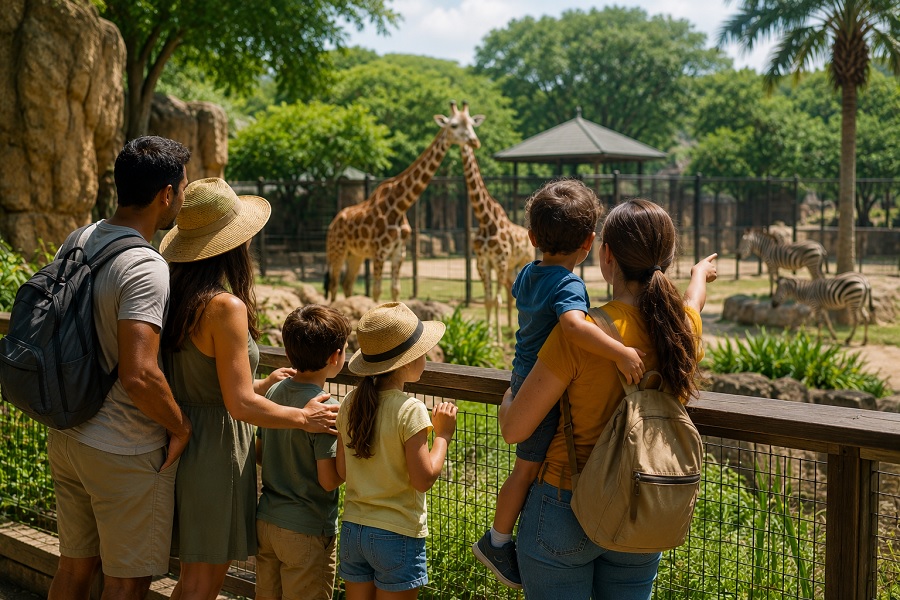
Family zoo tourism is a popular form of family travel that combines entertainment, wildlife education, outdoor recreation, and memorable experiences for children and adults. Modern zoos are no longer simply places where visitors look at animals. Many have developed into educational and conservation-focused destinations featuring naturalistic habitats, interactive exhibits, wildlife talks, animal-care demonstrations, children's activities, botanical areas, and conservation programs.
A well-planned zoo visit can give families an opportunity to observe wildlife while learning about biodiversity, animal behavior, habitat protection, and the importance of conservation. It can also be an affordable and accessible activity for families looking for an educational day trip or a destination attraction during a larger vacation.
What Is Family Zoo Tourism?
Family zoo tourism refers to travel experiences centered around visiting zoos, zoological parks, wildlife parks, and similar animal-focused attractions as a family.
These visits can range from a few hours at a city zoo to full-day experiences at large zoological parks. Some destinations also offer behind-the-scenes programs, guided tours, conservation education, and specialized animal encounters.
The main attractions include:
Wildlife observation
Educational exhibits
Animal feeding demonstrations
Guided tours
Children's learning activities
Photography
Nature walks
Conservation programs
Interactive exhibits
Family-friendly dining and recreation
Why Zoo Tourism Is Popular With Families
Zoos can appeal to different age groups at the same time. Young children may enjoy seeing familiar animals such as elephants, giraffes, penguins, and monkeys, while older children can learn about ecosystems, animal behavior, endangered species, and conservation.
Parents can also use a zoo visit as an opportunity to introduce children to environmental responsibility in an enjoyable setting.
For many families, the combination of education and entertainment makes zoo tourism particularly attractive.
Educational Benefits of Zoo Visits
One of the strongest aspects of modern zoo tourism is education.
Children can learn about animals through direct observation rather than only through books or screens. Seeing an animal move, feed, communicate, or interact with its environment can make scientific concepts easier to understand.
Zoo education programs may cover:
Animal habitats
Food chains
Biodiversity
Adaptation
Endangered species
Conservation
Animal behavior
Ecosystem relationships
Climate change
Wildlife protection
Parents can make the experience even more educational by asking children questions during the visit.
For example, they can ask what an animal eats, where it naturally lives, how it protects itself, and why its habitat needs to be conserved.
Choosing the Right Zoo for a Family
Not every zoo provides the same experience. Families should consider several factors before choosing a destination.
1. Animal Diversity
Look at the range of animals available. A zoo with a diverse collection can provide more learning opportunities, particularly for older children.
2. Habitat Design
Naturalistic habitats can provide a more meaningful viewing experience than small or highly artificial enclosures.
3. Educational Programs
Check whether the zoo offers guided tours, animal talks, workshops, educational centers, or children's programs.
4. Accessibility
Families traveling with young children, elderly relatives, or visitors with mobility needs should check accessibility features.
5. Facilities
Useful facilities include:
Restrooms
Baby-changing areas
Restaurants
Drinking-water stations
Shaded seating
First-aid facilities
Wheelchair access
Stroller-friendly paths
6. Conservation Work
Families may prefer zoos that clearly demonstrate involvement in wildlife conservation, research, breeding programs for appropriate species, habitat protection, or public education.
Best Zoo Experiences for Children
A successful family zoo visit does not need to involve walking through every exhibit.
Children often enjoy specific experiences such as:
Animal Feeding Demonstrations
Watching trained staff provide food can help children understand animal diets and behavior.
Keeper Talks
Zoo keepers can provide information about individual animals, their personalities, care routines, and conservation status.
Children's Discovery Areas
Some zoos offer dedicated areas where children can learn through interactive displays and supervised activities.
Petting or Contact Areas
Where properly managed and appropriate, supervised animal interaction areas can provide children with opportunities to learn about selected domestic or non-sensitive species.
Parents should always follow the zoo's animal-welfare rules.
Wildlife Photography
Older children can enjoy photographing animals and keeping a visual record of the visit.
Family Zoo Photography
Zoo visits offer excellent opportunities for family photography.
Parents can capture:
Children observing animals
Wildlife portraits
Family photographs
Animal feeding sessions
Educational activities
Natural habitat views
Botanical gardens
Scenic zoo landscapes
A smartphone is usually sufficient for casual photography. A camera with a moderate telephoto lens can be useful for photographing animals from a distance.
Families should follow photography rules and avoid using flash where it may disturb animals.
Best Time to Visit a Zoo
The ideal visiting time depends on the climate and individual zoo.
In warm destinations, early morning can be more comfortable for families and may coincide with periods when some animals are more active.
During hot weather, visitors should plan breaks and stay hydrated.
Before visiting, check:
Opening hours
Animal presentation schedules
Feeding demonstrations
Weather conditions
Ticket availability
Special events
Seasonal attractions
Arriving early can also help families avoid the busiest periods.
Planning a Family Zoo Day
A simple plan can make the day much more comfortable.
Before Leaving
Check the zoo's website or official visitor information for opening hours, tickets, rules, maps, and scheduled activities.
Pack:
Comfortable shoes
Water bottles
Sun protection
Hats
Light clothing
Snacks where permitted
Small backpack
Camera or smartphone
Necessary medications
Rain protection if required
During the Visit
Avoid trying to see everything.
Choose a few priority exhibits and leave enough time for children to explore, rest, and eat.
A flexible schedule is usually better than a tightly packed itinerary.
Family-Friendly Zoo Activities
Zoos can offer much more than animal viewing.
Families may enjoy:
Wildlife scavenger hunts
Animal identification games
Nature walks
Educational workshops
Conservation activities
Drawing sessions
Photography challenges
Children's quizzes
Wildlife storytelling
Botanical garden walks
These activities can turn a normal zoo visit into an interactive learning experience.
Zoo Tourism and Wildlife Conservation
Conservation is an increasingly important part of modern zoological institutions.
Some zoos participate in conservation breeding programs, scientific research, species recovery projects, habitat protection, and public education.
The exact role differs between institutions and species, so families should look for clear information about the conservation programs supported by the zoo they plan to visit.
A zoo visit can also introduce children to the concept that protecting wildlife requires preserving natural habitats, not simply keeping animals in managed environments.
Teaching Children About Endangered Animals
Zoo visits can be a useful way to explain endangered species.
Parents can discuss why certain animals are threatened by:
Habitat destruction
Illegal wildlife trade
Pollution
Climate change
Overhunting
Invasive species
Human-wildlife conflict
The conversation can be kept age-appropriate.
For younger children, simple explanations and stories may work best. Older children can explore conservation statistics, habitat loss, and species-recovery programs in greater detail.
Responsible Family Zoo Tourism
Families should behave responsibly around animals.
Important rules include:
Never feed animals unless authorized.
Do not tap on glass.
Avoid shouting near animal habitats.
Do not throw objects into enclosures.
Follow barriers and signs.
Do not attempt to touch animals without permission.
Avoid using flash when prohibited.
Dispose of waste properly.
Respect staff instructions.
These rules protect both visitors and animals.
Accessibility for Families
Accessibility can make a major difference to the quality of a family zoo experience.
Families should check whether the zoo offers:
Wheelchair-accessible routes
Accessible restrooms
Stroller access
Rental wheelchairs
Accessible parking
Rest areas
Elevators where needed
Quiet areas
Accessible educational exhibits
Families with elderly relatives or young children may benefit from planning shorter walking routes.
Zoo Tourism for Toddlers
Toddlers often have limited attention spans, so a shorter visit may be more enjoyable than a full-day tour.
Focus on a few visually engaging exhibits and allow time for snacks and rest.
Interactive areas can be particularly appealing to young children.
Parents should also keep toddlers close to them because zoos can become crowded.
Zoo Tourism for Teenagers
Teenagers may be more interested in photography, wildlife science, conservation, and behind-the-scenes experiences.
A wildlife photography challenge or conservation-focused activity can make the visit more engaging.
Older children can also research a particular animal before visiting and then compare what they learned with what they observe.
Multigenerational Zoo Trips
Zoos can work well for multigenerational family travel because different age groups can participate at their own pace.
Grandparents may enjoy educational talks and botanical areas, while children focus on animal exhibits and interactive activities.
Families should plan regular seating and rest breaks to make the experience comfortable for everyone.
Combining Zoo Tourism With Other Attractions
A zoo visit can be part of a larger family itinerary.
It can be combined with:
Botanical gardens
Science museums
Natural history museums
Aquariums
Children's museums
Nature parks
Adventure parks
Cultural attractions
Local food experiences
This approach can turn a single zoo visit into a complete family destination experience.
Family Zoo Tourism in India
India has numerous zoological parks and wildlife-focused attractions that can be incorporated into family travel.
Families can find different types of experiences ranging from traditional city zoos to larger zoological parks and nature-oriented wildlife attractions.
Delhi
Delhi offers major family attractions combining wildlife, education, history, and recreation. Families can build a full-day itinerary around zoological and nearby educational attractions.
Mumbai
Mumbai's zoological attractions can be combined with museums, parks, coastal sightseeing, and other family activities.
Kolkata
Kolkata has a long history of zoo tourism and can be an interesting destination for families combining wildlife experiences with cultural tourism.
Mysuru
Mysuru provides opportunities to combine zoological attractions with palaces, gardens, heritage experiences, and other family-friendly activities.
Hyderabad
Hyderabad can offer families a combination of zoological, historical, cultural, and recreational attractions.
When selecting a zoo in India, families should check current operating hours, animal presentation schedules, ticket policies, weather conditions, and official visitor guidelines.
Sustainable Zoo Tourism
Sustainable zoo tourism involves reducing the environmental impact of visitor activities.
Families can contribute by:
Carrying reusable water bottles
Avoiding unnecessary plastic
Using designated waste bins
Following marked paths
Using public transport where practical
Respecting wildlife
Supporting conservation programs
Buying responsibly produced souvenirs
Small actions become more significant when adopted by large numbers of visitors.
What to Eat During a Zoo Visit
Many larger zoos have restaurants, cafés, food courts, and designated picnic areas.
Families should check whether outside food is permitted before packing meals.
Healthy travel snacks can include:
Fresh fruit
Nuts where appropriate
Sandwiches
Granola bars
Water
Fresh juice
Avoid feeding human food to animals under any circumstances unless specifically authorized.
Budget Tips for Family Zoo Tourism
Zoo tourism can be made more affordable with some planning.
Families can look for:
Family ticket packages
Online booking discounts
Annual memberships
Off-peak tickets
Local resident offers
Public transportation
Packed meals where permitted
Memberships can be particularly useful for families who live near a zoo and plan to visit multiple times.
Safety Tips
Safety should remain a priority throughout the visit.
Parents should establish a meeting point in case family members become separated.
Children should understand basic rules such as staying with adults, not crossing barriers, and following staff instructions.
During hot weather, families should drink sufficient water, take breaks, and avoid prolonged exposure to direct sunlight.
Future of Family Zoo Tourism
Family zoo tourism is increasingly moving toward educational, conservation-focused, and interactive experiences.
Technology may play a growing role through digital animal guides, augmented-reality learning, interactive displays, biodiversity apps, and personalized educational activities.
At the same time, visitors are becoming more interested in animal welfare and conservation. Zoos that provide transparent information about animal care, habitat design, research, and conservation may appeal more strongly to environmentally conscious families.
The future of zoo tourism is therefore likely to focus on creating meaningful connections between visitors and wildlife while encouraging responsible attitudes toward nature.
Conclusion
Family zoo tourism provides an opportunity to combine entertainment, education, outdoor recreation, and wildlife awareness in one experience. A well-planned zoo visit can introduce children to animals and ecosystems while giving parents and grandparents opportunities to enjoy nature together.
The best family zoo experiences go beyond simply seeing animals. They encourage curiosity, teach conservation, support responsible tourism, and create memories that families can share long after the trip.
By choosing responsible zoological destinations, following visitor guidelines, respecting animals, and participating in educational activities, families can make zoo tourism both enjoyable and meaningful.