Best Family Trekking Experiences: Explore Nature, Mountains and Trails Together
Family-Friendly Trekking Experiences: Safe, Scenic and Memorable Adventures for All Ages
Introduction
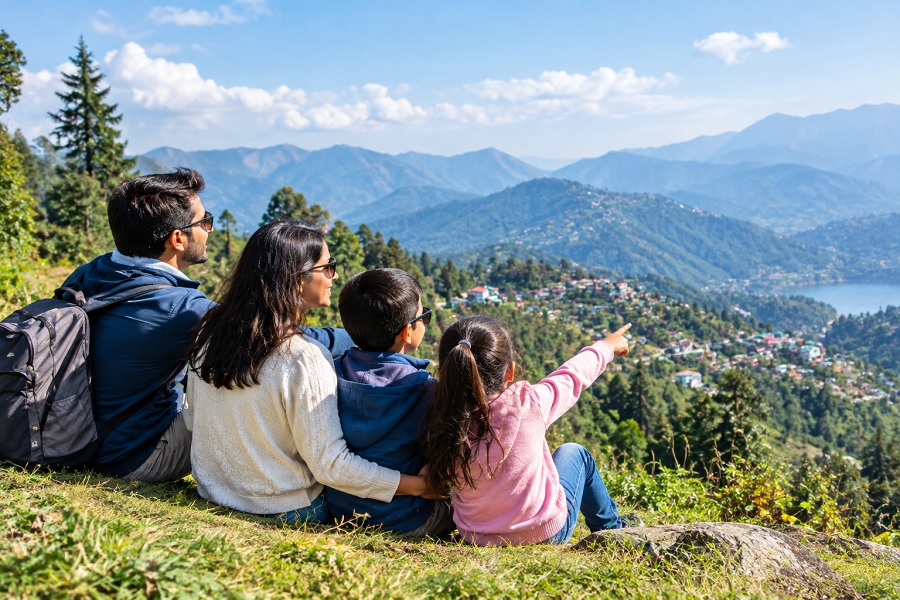
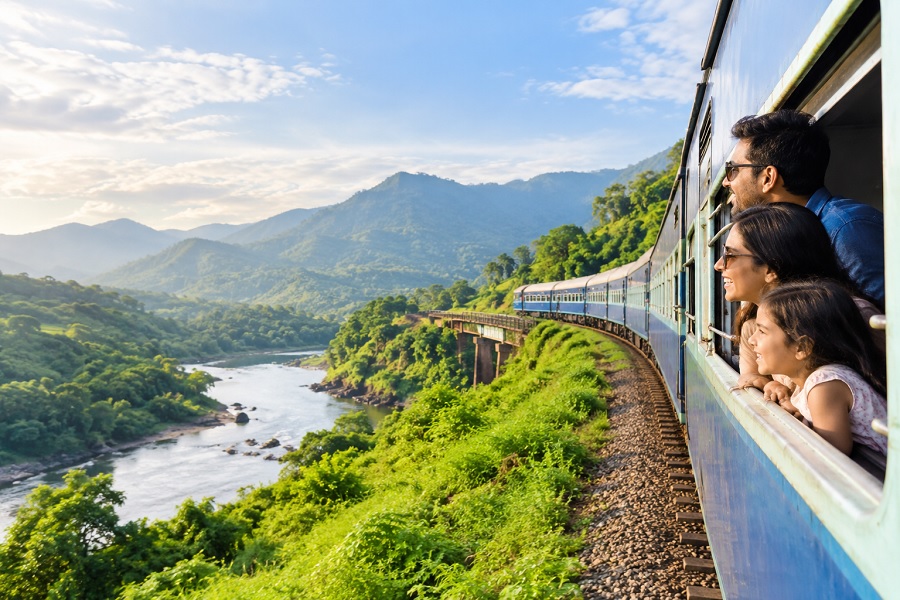
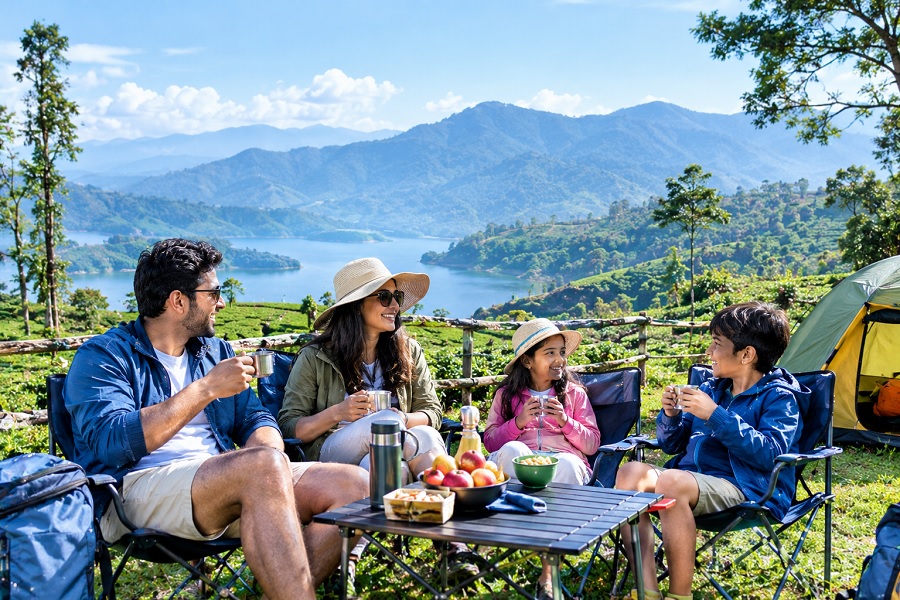
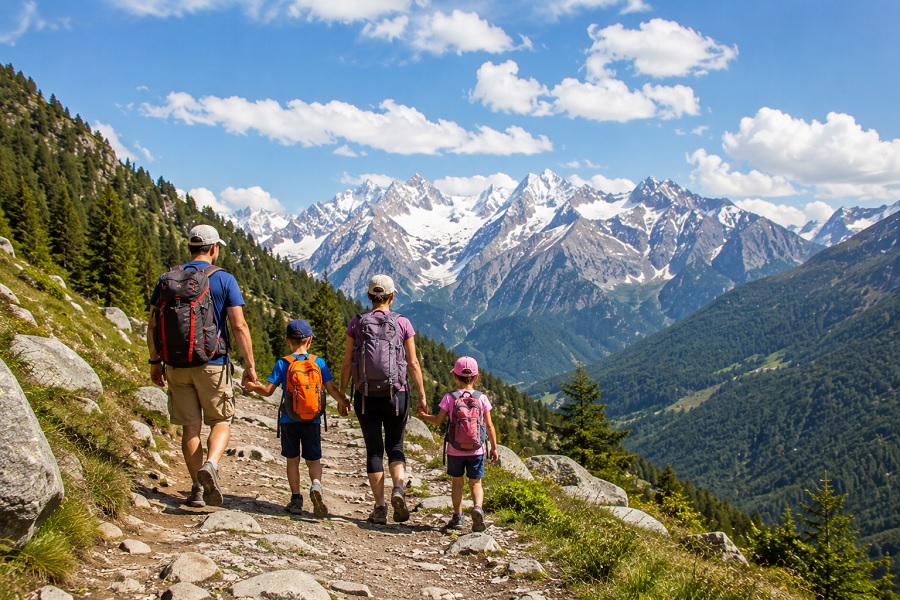
Family-Friendly Trekking Experiences are becoming a popular way for families to spend quality time together while exploring mountains, forests, valleys, waterfalls and nature trails. Unlike demanding high-altitude expeditions, family trekking focuses on manageable routes, safety, scenic surroundings and enjoyable outdoor activities suitable for different age groups.
A well-planned family trek can give children an opportunity to experience nature away from screens while helping parents introduce them to outdoor recreation, environmental awareness and responsible travel.
What Are Family-Friendly Trekking Experiences?
Family-friendly trekking refers to walking and hiking experiences designed around the abilities and comfort levels of family members.
These experiences generally focus on:
Short or moderate-distance trails
Manageable elevation gains
Safe and clearly marked routes
Frequent rest opportunities
Scenic landscapes
Nature and wildlife observation
Educational activities
Comfortable accommodation
Local cultural experiences
The ideal family trek should be enjoyable rather than exhausting. The objective is to create shared memories while allowing every family member to participate comfortably.
Why Choose Trekking for a Family Holiday?
Family trekking offers benefits beyond sightseeing.
Quality Family Time
Walking together gives families an opportunity to talk, explore and enjoy an activity without the distractions of everyday routines.
Connection With Nature
Children can learn about trees, birds, insects, rivers, mountains and local ecosystems through direct experience.
Physical Activity
Walking on trails provides a natural form of exercise while exploring a destination.
Confidence Building
Completing an age-appropriate trail can help children develop confidence and independence.
Educational Experiences
Parents can turn a trek into a learning experience by discussing local geography, wildlife, plants and community traditions.
Best Types of Family-Friendly Treks
1. Forest Nature Trails
Forest trails are excellent for families who want a gentle introduction to trekking.
Children can look for:
Birds
Butterflies
Different tree species
Flowers
Insects
Animal tracks
A local nature guide can make the experience more educational.
2. Waterfall Treks
Short waterfall trails can be exciting for families, particularly during suitable seasons.
Parents should pay close attention to slippery rocks, strong water currents and weather conditions.
3. Valley Walks
Valley trails often provide beautiful scenery without requiring extremely steep climbs.
They can be suitable for families interested in photography and relaxed outdoor exploration.
4. Hill Station Treks
Many Indian hill stations offer short walking routes through forests, villages and viewpoints.
These can be good options for families who want trekking combined with comfortable accommodation.
5. Lakeside Trails
Lakeside walks can provide relatively relaxed trekking experiences.
Families can combine walking with:
Photography
Birdwatching
Picnics where permitted
Boating
Nature observation
Popular Family Trekking Destinations in India
Uttarakhand
Uttarakhand offers a wide range of mountain and nature trails. Families can explore easier routes around hill stations and nature destinations while avoiding technically difficult high-altitude treks.
Himachal Pradesh
Himachal Pradesh provides forests, valleys, villages and mountain viewpoints suitable for different levels of hiking.
Maharashtra
Maharashtra has many accessible hill and forest trails, especially around the Western Ghats. Families can find shorter hikes, forts and waterfall routes.
Kerala
Kerala combines hill landscapes, forests and plantations. Family-oriented nature walks can be paired with comfortable resort or homestay stays.
Karnataka
The Western Ghats provide numerous opportunities for nature walks, forest trails and family outdoor experiences.
Sikkim
Sikkim offers spectacular Himalayan scenery. Families should select routes carefully according to altitude, weather and children's experience levels.
Choosing the Right Trek for Children
The trail should be selected according to the youngest or least experienced family member.
Consider:
Distance
Elevation gain
Trail condition
Weather
Walking time
Availability of rest areas
Emergency access
Mobile connectivity
Toilet facilities
Food and water availability
A short, enjoyable trail is usually better for beginners than a long trek that leaves children exhausted.
Family Trekking Safety
Safety should always be the first priority.
Check the Weather
Weather can change quickly in mountainous areas. Check local forecasts before starting.
Carry Enough Water
Hydration is particularly important when walking in warm weather.
Wear Appropriate Shoes
Children and adults should wear comfortable footwear with good grip.
Carry First-Aid Supplies
A basic first-aid kit should include essential items for minor cuts, blisters and other common trekking issues.
Stay Together
Families should maintain visual contact throughout the trail.
Follow Marked Trails
Avoid shortcuts or unmarked routes, particularly in forests and mountainous areas.
Use Local Guides
For unfamiliar or remote trails, a qualified local guide can improve navigation and safety.
What to Pack for a Family Trek
A family trekking backpack can include:
Drinking water
Healthy snacks
First-aid kit
Sunscreen
Hats or caps
Sunglasses
Rain jackets
Extra clothing
Comfortable walking shoes
Insect repellent
Personal medicines
Power bank
Identification documents
Small flashlight
Waste bags
Pack according to the destination and season rather than carrying unnecessary equipment.
Healthy Snacks for Children
Children may need regular energy during a trek.
Good options can include:
Bananas
Apples
Dates
Nuts where appropriate
Homemade sandwiches
Granola bars
Dry fruits
Whole-grain snacks
Avoid relying heavily on sugary drinks and highly processed snacks.
Family Trekking and Photography
Trekking provides excellent opportunities for family photography.
Capture:
Children exploring nature
Family group photographs
Mountain landscapes
Forest trails
Waterfalls
Flowers
Birds
Sunrise views
Local villages
Cultural encounters
Instead of making photography the main objective, allow children to explore naturally and capture spontaneous moments.
Educational Trekking for Children
A family trek can become an outdoor classroom.
Parents can teach children about:
Geography
Explain how mountains, valleys and rivers are formed.
Wildlife
Discuss animal tracks, bird calls and habitats.
Plants
Identify common trees, flowers and medicinal plants without damaging them.
Conservation
Teach children why littering, feeding wildlife and disturbing natural habitats are harmful.
Local Culture
Introduce children to traditional villages, architecture, food and local occupations.
Family Trekking and Responsible Tourism
Families should follow Leave No Trace principles wherever applicable.
Travelers should:
Carry waste back
Avoid single-use plastics
Stay on established trails
Never feed wildlife
Avoid picking flowers
Respect local communities
Avoid loud music
Use water responsibly
Follow park regulations
Teaching children these habits can help develop responsible travelers from an early age.
Family-Friendly Trekking Accommodation
Families can choose accommodation based on comfort and location.
Options include:
Family-friendly resorts
Eco-lodges
Homestays
Mountain cottages
Farm stays
Campsites
Forest lodges where permitted
A comfortable stay before and after the trek can make the overall experience easier for younger children and older family members.
Trekking With Different Age Groups
Young Children
Choose very short trails with plenty of attractions such as streams, flowers, animals or viewpoints.
School-Age Children
Moderate nature walks can introduce them to longer distances and basic outdoor skills.
Teenagers
Older children may enjoy more challenging hikes, photography, navigation activities and adventure experiences.
Grandparents
Multigenerational groups should choose routes with gentle gradients, frequent rest points and easy access to accommodation.
Best Seasons for Family Trekking
Spring
Pleasant temperatures and blooming landscapes can make spring excellent for nature walks.
Summer
Mountain destinations can provide relief from hotter cities, although hydration and sun protection remain important.
Monsoon
Rain can make trails slippery and increase the risk of landslides or sudden water flow. Families should select destinations carefully and follow local advisories.
Autumn
Clearer skies and comfortable temperatures can provide excellent trekking conditions in many mountain regions.
Winter
Snow trekking can be exciting for families with older children, but cold-weather equipment and appropriate destinations are essential.
Family Trekking and Eco-Tourism
Family trekking can support ecotourism when local communities and conservation efforts are included.
Families can choose:
Local guides
Community-run homestays
Eco-friendly accommodations
Local restaurants
Local transportation
Responsible tour operators
This can help tourism income reach communities near trekking destinations.
Budget-Friendly Family Trekking
Trekking does not always require an expensive holiday.
Families can reduce costs by:
Choosing nearby destinations
Traveling during shoulder seasons
Booking family rooms
Using local guides
Carrying reusable water bottles
Preparing snacks
Selecting short trails
Combining trekking with local sightseeing
A simple nature trail can sometimes provide a more memorable experience than an expensive attraction.
Luxury Family Trekking
Families looking for premium experiences can combine trekking with luxury accommodation.
Possible experiences include:
Guided private hikes
Luxury mountain resorts
Private transfers
Gourmet picnic lunches
Professional photography
Wellness treatments
Nature interpretation
Personalized itineraries
This approach allows families to enjoy outdoor adventure while maintaining a high level of comfort.
Family Trekking Challenges to Consider
Family trekking can be rewarding, but there are challenges.
These may include:
Children losing interest
Unexpected weather
Fatigue
Uneven terrain
Limited facilities
Transportation difficulties
Altitude-related concerns
Insect exposure
Good planning and realistic expectations can reduce many of these difficulties.
Tips for a Successful Family Trek
Start with an easy trail.
Check weather conditions.
Choose comfortable footwear.
Carry sufficient water.
Take regular breaks.
Pack healthy snacks.
Keep children engaged with simple nature activities.
Avoid rushing.
Follow local safety instructions.
Respect the environment.
Keep emergency contacts available.
Choose professional guides for unfamiliar routes.
Future of Family-Friendly Trekking Tourism
Family trekking is likely to become increasingly connected with educational and sustainable tourism.
Future experiences may include:
Digital nature guides
Family conservation programs
Interactive biodiversity trails
Guided astronomy walks
Eco-friendly trekking camps
Children's nature workshops
Community-led trekking
Family photography tours
Sustainable adventure resorts
These experiences can make trekking more engaging while encouraging children to develop a lasting appreciation for nature.
Conclusion
Family-Friendly Trekking Experiences provide an excellent combination of outdoor adventure, physical activity, education and family bonding. The best family trek is not necessarily the longest or most challenging route. It is one that matches the family's abilities and creates a comfortable, safe and enjoyable experience.
With suitable preparation, responsible travel habits and the right destination, families can explore India's mountains, forests, valleys, waterfalls and nature trails while creating memories that last long after the journey ends.