Beach Safety Tips For Kids
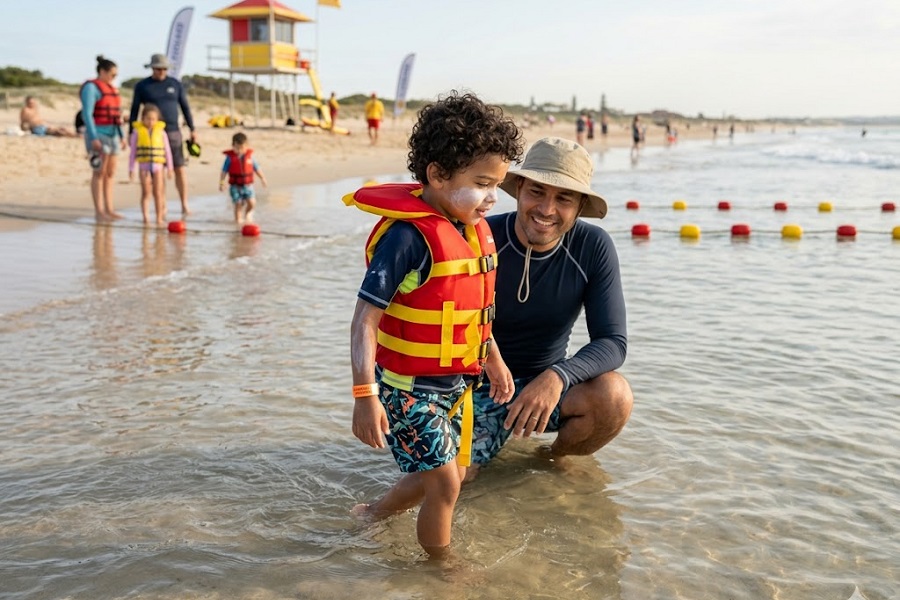
Beach Safety Tips for Kids – Complete Guide for Parents
A day at the beach is one of the best family experiences, but it also needs careful planning when kids are involved. Waves, sun exposure, and crowds can quickly turn risky if basic safety steps are ignored. With the right precautions, children can enjoy the beach freely while staying safe and protected.
Why Beach Safety for Kids Matters
Children are naturally curious and easily distracted. Even shallow water or a short moment away from supervision can become dangerous. Most beach accidents involving kids happen due to:
Sudden waves or strong currents
Lack of supervision
Sun overexposure
Unsafe swimming areas
Not following lifeguard warnings
Being aware of these risks helps parents prevent accidents before they happen.
Essential Beach Safety Tips for Kids
1. Always Maintain Close Supervision
Never leave children unattended near water. Even if lifeguards are present, parental supervision is essential at all times.
2. Choose Safe Swimming Zones
Only allow kids to swim in designated safe areas where lifeguards are present and waves are calm.
3. Use Proper Safety Gear
Life jackets for non-swimmers
Floatation devices for young kids
Water shoes to protect feet from sharp objects
4. Apply Sunscreen Regularly
Use SPF 30+ sunscreen and reapply every 2 hours, especially after swimming.
5. Stay Hydrated
Children often forget to drink water while playing. Keep water bottles handy and encourage frequent hydration.
6. Set Clear Boundaries
Teach kids simple rules:
Don’t go beyond knee-deep water without permission
Stay within visible distance
Never run into waves blindly
7. Watch Weather and Tide Conditions
Avoid beach visits during:
Strong winds
High tide warnings
Storm forecasts
8. Teach Basic Water Safety
Kids should know:
How to float on their back
How to signal for help
Not to panic in water
9. Avoid Crowded Risk Zones
Busy beaches can make supervision harder. Choose quieter areas when visiting with young children.
10. Keep Emergency Information Ready
Know the nearest lifeguard station and emergency contact numbers.
Extra Safety Tips for Parents
Use bright swimwear so kids are easy to spot
Take regular breaks under shade
Avoid inflatable toys in deep water
Pack a basic first-aid kit
Keep snacks to maintain energy levels
Best Time for a Safe Beach Visit
Morning hours (before 11 AM)
Late afternoon (after 4 PM)
These times reduce sun exposure and crowd risks.
Final Thoughts
Beach trips are meant to be fun, relaxing, and memorable for families. With simple safety habits and constant awareness, children can enjoy water play without unnecessary risks. Preparation and supervision are the real keys to a safe beach experience.