AI Gadgets: The Smart Devices Shaping Our Everyday Future
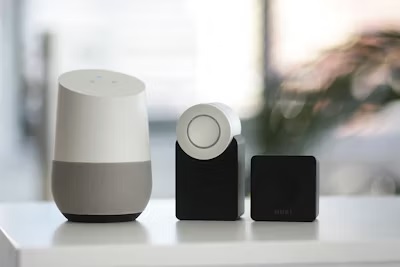
Artificial Intelligence (AI) is no longer confined to software applications—it’s rapidly becoming embedded in the physical devices we use every day. AI gadgets represent a new wave of technology where hardware and intelligent algorithms work together to simplify tasks, enhance productivity, and even anticipate human needs.
One of the most noticeable categories of AI gadgets is smart home devices. These include voice-controlled assistants, smart thermostats, and intelligent security systems. Unlike traditional electronics, these gadgets learn from user behavior. For example, a smart thermostat doesn’t just adjust temperature—it observes your daily routine and automatically optimizes comfort while saving energy. Over time, such devices become more personalized, making homes more efficient and responsive.
Wearable AI gadgets are another fast-growing segment. Smartwatches and fitness trackers now go far beyond counting steps. They analyze sleep patterns, monitor heart rate variability, and provide insights into overall health. Some advanced wearables even use AI to detect irregularities that may indicate health issues, offering early warnings that can be critical for preventive care.
AI-powered personal gadgets are also reshaping how we interact with technology. Wireless earbuds can translate languages in real time, cameras can automatically enhance photos based on scene recognition, and handheld assistants can summarize meetings or generate reminders based on conversations. These devices aim to reduce cognitive load, allowing users to focus on more meaningful tasks.
In the workplace, AI gadgets are improving efficiency and collaboration. Smart notebooks can digitize handwritten notes instantly, while AI-enabled conference devices can transcribe discussions and highlight key points. Even tools like intelligent pens and portable scanners now incorporate machine learning to recognize text, organize information, and sync seamlessly with digital platforms.
However, the rise of AI gadgets also raises important concerns. Privacy is one of the biggest challenges, as these devices often rely on continuous data collection to function effectively. Users must balance convenience with awareness of how their data is stored and used. Additionally, there is the question of dependency—overreliance on AI gadgets could reduce certain human skills over time.
Looking ahead, AI gadgets are expected to become even more integrated into daily life. Future devices may feature emotional intelligence, adapting not just to what users do, but how they feel. As hardware becomes smaller and more powerful, AI could be embedded in everything from clothing to everyday objects, creating a seamlessly intelligent environment.
In conclusion, AI gadgets are transforming the way we live, work, and interact with technology. They offer remarkable convenience and personalization, but also require thoughtful consideration of ethical and privacy implications. As this technology continues to evolve, its true impact will depend on how responsibly it is designed and used.