Agra Taj Mahal Tourism: A Complete Journey Through Mughal Heritage
Agra Taj Mahal Tourism: A Complete Guide to India’s Iconic Monument of Love
Agra Taj Mahal Tourism is one of the most popular cultural and heritage tourism experiences in India. Located on the banks of the Yamuna River in Agra, Uttar Pradesh, the Taj Mahal is internationally recognized for its magnificent white-marble architecture, romantic history, artistic details, and extraordinary craftsmanship. It attracts travelers from India and around the world who come to experience one of the most celebrated monuments in human history.
The Taj Mahal: Symbol of Love
The Taj Mahal was commissioned by Mughal emperor Shah Jahan in memory of his beloved wife Mumtaz Mahal. Construction began in the 17th century and involved thousands of craftsmen, architects, artists, stonecutters, and laborers. The monument became an extraordinary expression of Mughal architecture and Shah Jahan's devotion to Mumtaz Mahal.
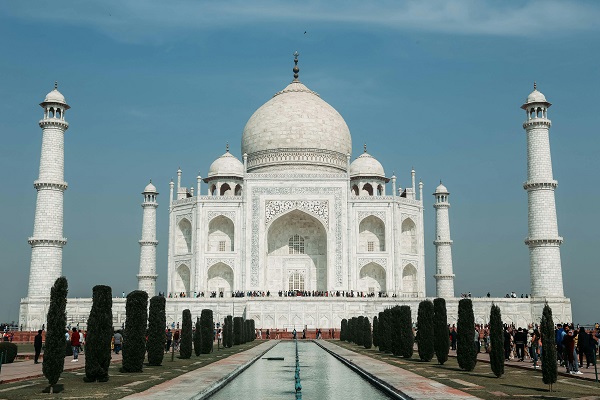
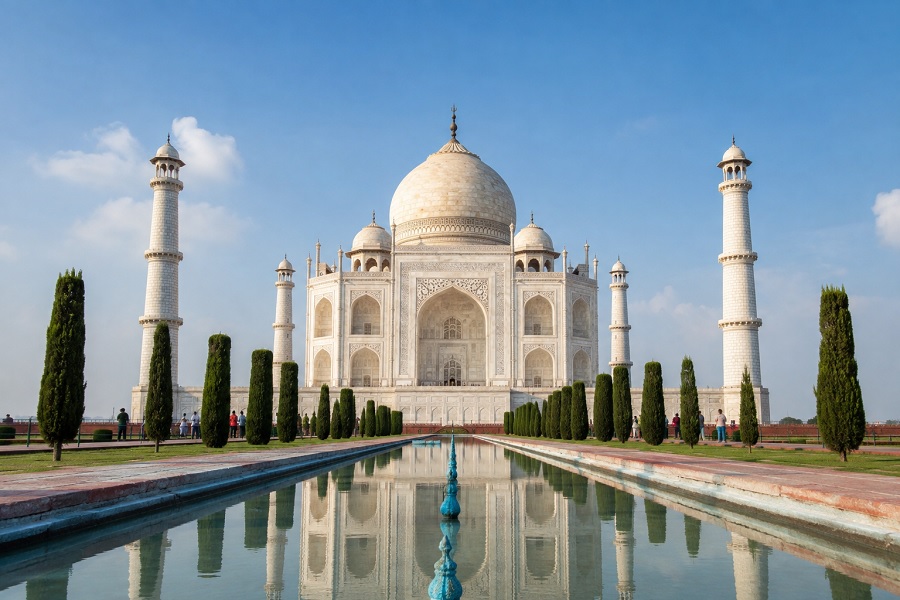
The main mausoleum is built primarily from white marble and is decorated with intricate floral designs, calligraphy, geometric patterns, and precious and semi-precious stone inlay work. Its famous central dome is surrounded by four elegant minarets, creating the symmetrical appearance that makes the Taj Mahal instantly recognizable.
Taj Mahal Architecture
The Taj Mahal represents a sophisticated combination of Mughal, Persian, Islamic, and Indian architectural influences. Its carefully planned symmetry is one of its most impressive characteristics.
The complex includes the main mausoleum, a large garden, a reflecting pool, a mosque, a matching guest pavilion, gateways, pathways, and other architectural structures. The marble surface changes appearance according to the sunlight and atmosphere, appearing bright white during the day and taking on softer shades around sunrise and sunset.
Inside the mausoleum are the cenotaphs associated with Mumtaz Mahal and Shah Jahan. The actual graves are located in the lower chamber.
Why Visit the Taj Mahal?
A visit to the Taj Mahal offers much more than simply seeing a famous monument. It provides an opportunity to experience India's Mughal heritage, architecture, history, art, photography, and cultural traditions.
Visitors can explore the monumental gateway, walk through the Charbagh-style gardens, admire the marble craftsmanship, photograph the reflecting pools, and enjoy views of the monument from different locations around Agra.
The Taj Mahal is especially popular among couples, families, photographers, history enthusiasts, architecture lovers, international tourists, and cultural travelers.
Best Time to Visit Agra
The cooler months are generally considered comfortable for exploring Agra, particularly from October through March. During this period, visitors can spend more time outdoors exploring the Taj Mahal and other attractions without the intense summer heat.
Early morning is particularly attractive because the monument can be experienced in softer light and cooler conditions. Sunrise photography is also popular.
Summer can be extremely hot, while the monsoon season can bring humidity and occasional rain. Travelers should check the weather forecast before planning outdoor sightseeing.
Best Places to Visit Near the Taj Mahal
Agra has several important historical and cultural attractions that can easily be included in a Taj Mahal itinerary.
Agra Fort
Agra Fort is one of the city's most significant Mughal landmarks. This massive red sandstone complex contains palaces, halls, courtyards, mosques, and other historic structures. Its connection with the Mughal rulers makes it an essential stop for visitors interested in the history of Agra.
Mehtab Bagh
Located across the Yamuna River from the Taj Mahal, Mehtab Bagh provides a different perspective of the monument. The garden is especially attractive for photography and for travelers seeking a quieter viewpoint.
Itmad-ud-Daulah’s Tomb
Often associated with the development of marble-inlay techniques that became prominent in Mughal architecture, Itmad-ud-Daulah's Tomb is another important heritage attraction in Agra.
Akbar’s Tomb
Located at Sikandra, Akbar's Tomb is an impressive Mughal-era monument surrounded by landscaped grounds and monumental gateways.
Fatehpur Sikri
Fatehpur Sikri is a historic Mughal city located outside Agra. Its grand architecture, courtyards, gateways, palaces, and religious structures make it an excellent addition to a wider Agra heritage tour.
Things to Do During Agra Taj Mahal Tourism
Visitors can enjoy a wide range of activities during an Agra trip:
Explore the Taj Mahal and its gardens
Photograph the monument from different viewpoints
Visit Agra Fort
Explore Mughal-era architecture
Visit Mehtab Bagh
Discover local handicraft markets
Shop for marble inlay products
Taste traditional Agra cuisine
Explore local bazaars
Visit nearby historical monuments
Take a guided heritage tour
Experience sunrise or sunset views
Learn about Mughal history and craftsmanship
Agra Food Experience
Agra tourism is also known for its distinctive food culture. Travelers can explore traditional North Indian dishes as well as famous local specialties.
Petha is one of Agra's best-known sweets and is available in numerous varieties. Visitors can also try Mughlai dishes, kebabs, breads, curries, chaats, and other North Indian foods.
For a complete travel experience, exploring local restaurants and traditional food markets can be combined with heritage sightseeing.
Shopping in Agra
Agra is famous for marble handicrafts inspired by the decorative work found at the Taj Mahal. Visitors can find decorative boxes, tabletops, figurines, jewelry, and other products featuring stone-inlay designs.
Other popular shopping items include leather goods, textiles, handicrafts, carpets, embroidery, souvenirs, and traditional sweets.
Travelers should compare prices and understand the quality of products before making expensive purchases.
Photography at the Taj Mahal
The Taj Mahal is one of India's most photographed monuments. The central reflecting pool provides the classic symmetrical composition, while the surrounding gardens and architectural gateways offer additional perspectives.
Early morning light can provide a soft atmosphere, while late afternoon light creates warmer architectural tones. Photographers should follow monument rules regarding permitted equipment and photography areas.
Taj Mahal Tourism for Families
Agra is suitable for family tourism because the city combines history, architecture, education, culture, food, and sightseeing.
Children can learn about Mughal history while seeing the monument and exploring Agra Fort. Families can also visit gardens, markets, museums, and other attractions.
Parents should plan sightseeing around comfortable weather conditions and allow sufficient breaks, especially during warmer months.
Taj Mahal Tourism for Couples
The Taj Mahal is strongly associated with romance and is a popular destination for couples. Its gardens, symmetrical architecture, riverside setting, and historic love story create a memorable atmosphere.
Couples can combine a Taj Mahal visit with Agra Fort, Mehtab Bagh, local dining, photography, and an evening exploration of Agra's heritage areas.
How to Reach Agra
Agra is well connected to major cities in India by road and rail. It can also be incorporated into popular tourism circuits connecting Delhi, Agra, and Jaipur.
Many travelers visit Agra as part of the Golden Triangle tourism route, which commonly connects Delhi, Agra, and Jaipur.
Travelers should select transportation according to their schedule, budget, and desired level of comfort.
Suggested Agra Itinerary
One-Day Agra Trip
A one-day itinerary can include:
Morning: Taj Mahal
Late Morning: Breakfast and local sightseeing
Afternoon: Agra Fort
Late Afternoon: Itmad-ud-Daulah's Tomb or local markets
Evening: Mehtab Bagh or another Taj Mahal viewpoint
Two-Day Agra Trip
With two days, travelers can explore the major attractions at a more relaxed pace.
Day 1: Taj Mahal, Agra Fort, local markets and food experiences
Day 2: Mehtab Bagh, Itmad-ud-Daulah's Tomb, Akbar's Tomb, handicraft shopping, and Fatehpur Sikri if time permits.
Responsible Tourism in Agra
Responsible tourism is important for protecting Agra's heritage and environment. Visitors should avoid littering, respect monument rules, follow designated pathways, and avoid damaging historic structures.
Supporting legitimate local artisans and businesses can also help preserve traditional crafts and provide economic benefits to the local community.
Tourists should respect local customs, dress appropriately for religious sites, and maintain cleanliness throughout their visit.
Tips for Visiting the Taj Mahal
Check official visiting information before traveling.
Plan your visit according to the season and weather.
Arrive early if you prefer a quieter experience.
Wear comfortable footwear because sightseeing involves walking.
Carry only permitted items inside the monument complex.
Follow security instructions.
Respect photography restrictions.
Keep valuables secure.
Be cautious when purchasing souvenirs.
Consider a knowledgeable local guide for historical context.
Drink sufficient water, particularly during warmer weather.
Allow extra time for security and entry procedures.
Why Agra Taj Mahal Tourism Is Important
The Taj Mahal represents an important part of India's cultural and architectural heritage. Tourism supports local hotels, restaurants, guides, transportation providers, artisans, shopkeepers, photographers, and other businesses connected with the travel industry.
Beyond its economic importance, the monument provides an opportunity for visitors to understand Mughal history, traditional craftsmanship, architectural design, and India's multicultural heritage.
Conclusion
Agra Taj Mahal Tourism offers an unforgettable combination of history, architecture, romance, culture, food, shopping, and photography. The Taj Mahal remains the centerpiece of the experience, but Agra's historic forts, tombs, gardens, markets, cuisine, and traditional crafts make the destination much more than a single-monument visit.
Whether traveling with family, friends, a partner, or independently, Agra provides an opportunity to experience one of India's most famous heritage destinations. A carefully planned visit can turn a trip to the Taj Mahal into a broader journey through India's rich Mughal history and cultural traditions.