A Culinary Journey Through South India: Traditional Food and Local Experiences
South Indian Food Tourism Experiences: A Flavorful Journey Through Regional Cuisine
Introduction
South Indian Food Tourism Experiences offer travelers an opportunity to discover the diverse culinary traditions of Andhra Pradesh, Telangana, Karnataka, Kerala, and Tamil Nadu, along with the distinctive food cultures found across the wider southern region of India.
South Indian cuisine is known for its variety of rice dishes, lentils, vegetables, coconut, spices, fermented foods, seafood, traditional sweets, and flavorful breakfast preparations. Food tourism allows visitors to experience these dishes not only in restaurants but also through local markets, cooking classes, farms, homes, food festivals, cafés, and traditional eateries.
For travelers, exploring South Indian cuisine can become an important part of discovering the culture, history, agriculture, and everyday life of the region.
What Is South Indian Food Tourism?
South Indian Food Tourism is travel centered around discovering and experiencing the food and beverage traditions of southern India. It can include visiting local restaurants, tasting regional specialties, exploring food markets, attending culinary festivals, participating in cooking workshops, and visiting farms or plantations.
Each state and region has its own culinary identity. Ingredients, cooking methods, climate, geography, religious traditions, and local agriculture all influence the food served in different destinations.
Why South Indian Food Tourism Is Popular
South Indian food offers a broad range of flavors and experiences. Travelers can enjoy simple vegetarian meals, spicy regional curries, seafood preparations, traditional breakfasts, snacks, sweets, filter coffee, and many other specialties.
Some important reasons to explore South Indian food tourism include:
Rich regional culinary diversity
Traditional cooking techniques
Fresh local ingredients
Strong vegetarian food traditions
Diverse seafood cuisine
Distinctive spices and flavors
Traditional banana-leaf meals
Famous breakfast dishes
Local sweets and snacks
Food festivals and cultural events
Farm and plantation experiences
Tamil Nadu Food Tourism
Tamil Nadu is one of the most popular destinations for South Indian culinary travel. Its food culture includes dishes such as dosa, idli, pongal, sambar, rasam, vada, and a wide variety of rice preparations.
Travelers can explore traditional meals served on banana leaves, visit local markets, experience temple-town cuisine, and discover regional specialties across cities and rural areas.
Must-Try Tamil Nadu Food Experiences
Traditional South Indian breakfast
Banana-leaf meals
Chettinad cuisine
Filter coffee
Pongal
Different varieties of dosa
Idli and vada
Traditional Tamil sweets
Local spice markets
Chettinad cuisine is particularly popular among culinary travelers because of its complex spice combinations and distinctive meat and vegetarian dishes.
Kerala Food Tourism
Kerala offers a unique food tourism experience influenced by its coastline, tropical agriculture, and multicultural history.
Coconut is widely used in many traditional dishes, while seafood plays an important role in coastal cuisine. Visitors can experience Kerala meals, appam, puttu, kadala curry, seafood preparations, banana chips, and traditional desserts.
Popular Kerala Food Experiences
Traditional Kerala sadya
Appam and curry
Puttu and kadala curry
Kerala seafood
Coconut-based dishes
Banana chips
Payasam
Spice plantation visits
Local tea and coffee experiences
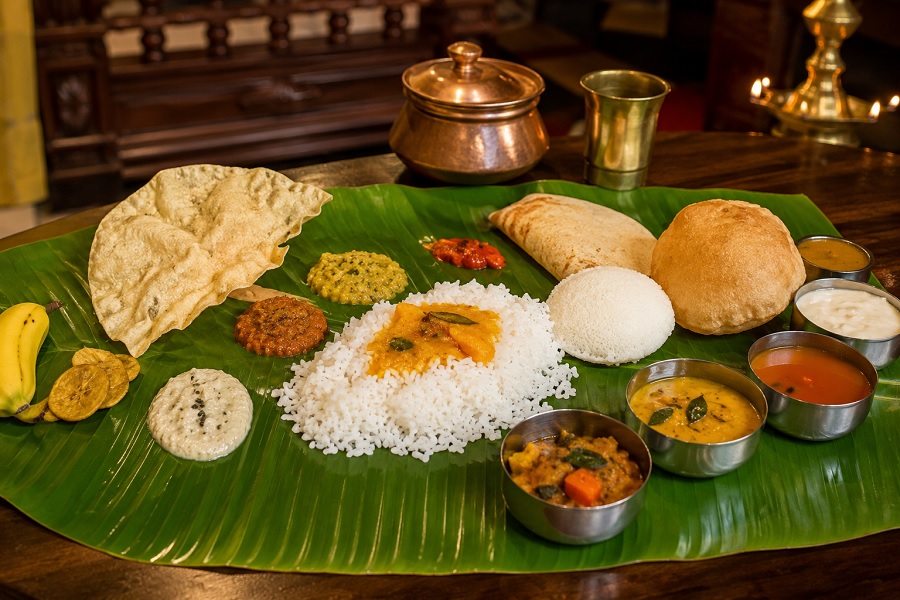
A traditional sadya served on a banana leaf can be an especially memorable culinary experience for visitors.
Karnataka Food Tourism
Karnataka has a diverse food culture ranging from traditional vegetarian dishes to coastal cuisine.
Travelers can explore dishes such as bisi bele bath, ragi mudde, neer dosa, Mysore pak, akki rotti, and different varieties of local snacks.
Coastal Karnataka also provides seafood experiences influenced by local ingredients and cooking traditions.
Karnataka Culinary Experiences
Traditional Udupi cuisine
Mysore food trails
Coastal seafood tours
Filter coffee experiences
Local sweet tasting
Traditional breakfast tours
Food market visits
Regional cooking workshops
Andhra Pradesh Food Tourism
Andhra Pradesh is known for bold flavors, spicy preparations, rice-based meals, pickles, chutneys, and regional specialties.
Travelers interested in spicy cuisine can explore traditional Andhra meals and local food markets.
Popular Andhra Food Experiences
Andhra thali
Gongura-based dishes
Traditional pickles
Spicy curries
Regional rice dishes
Pulihora
Local sweets
Traditional breakfast
Food market tours
The food experience can vary considerably between coastal and inland regions, making regional exploration especially interesting.
Telangana Food Tourism
Telangana has a distinctive culinary identity influenced by its history, agriculture, and local traditions.
Travelers can explore dishes such as sarva pindi, jonna roti, traditional meat preparations, pickles, chutneys, and regional sweets.
Hyderabad also provides an important culinary tourism experience, with its famous biryani and broader Deccani food culture.
Telangana Food Experiences
Hyderabad food walks
Traditional Telangana meals
Millet-based dishes
Regional snacks
Local pickles
Traditional sweets
Deccani cuisine experiences
Local market tours
South Indian Breakfast Tourism
Breakfast is one of the most attractive parts of South Indian food tourism.
Visitors can experience:
Idli
Dosa
Masala dosa
Medu vada
Pongal
Upma
Uttapam
Appam
Puttu
Neer dosa
Rava dosa
Regional chutneys
Breakfast tours can introduce travelers to different cooking styles and regional variations.
Banana-Leaf Dining Experiences
Banana-leaf dining is an important cultural experience in parts of South India.
A traditional meal can include rice, vegetables, lentils, curries, pickles, chutneys, papad, and desserts. The exact dishes vary according to region, occasion, and season.
For visitors, banana-leaf dining provides an opportunity to experience food presentation and traditional hospitality.
Travelers should follow local customs and observe how food is traditionally served and eaten.
South Indian Spice Tourism
Spices are central to many South Indian culinary traditions. Travelers can visit spice farms and plantations to learn about ingredients such as:
Black pepper
Cardamom
Cinnamon
Cloves
Ginger
Turmeric
Mustard seeds
Curry leaves
Tamarind
Kerala's plantation regions are particularly suitable for combining food tourism with agricultural and nature experiences.
South Indian Coffee Tourism
Coffee is another important part of the culinary tourism experience in southern India.
Karnataka is particularly well known for coffee cultivation, and visitors can explore coffee estates, learn about harvesting and processing, and participate in coffee tasting experiences.
A plantation visit can combine:
Coffee farm walks
Bean processing demonstrations
Coffee tasting
Local food
Nature experiences
Farm stays
South Indian Food Markets
Local markets offer an authentic way to understand regional food culture.
Travelers can discover:
Fresh vegetables
Fruits
Spices
Rice varieties
Lentils
Pickles
Snacks
Sweets
Seafood
Traditional cooking ingredients
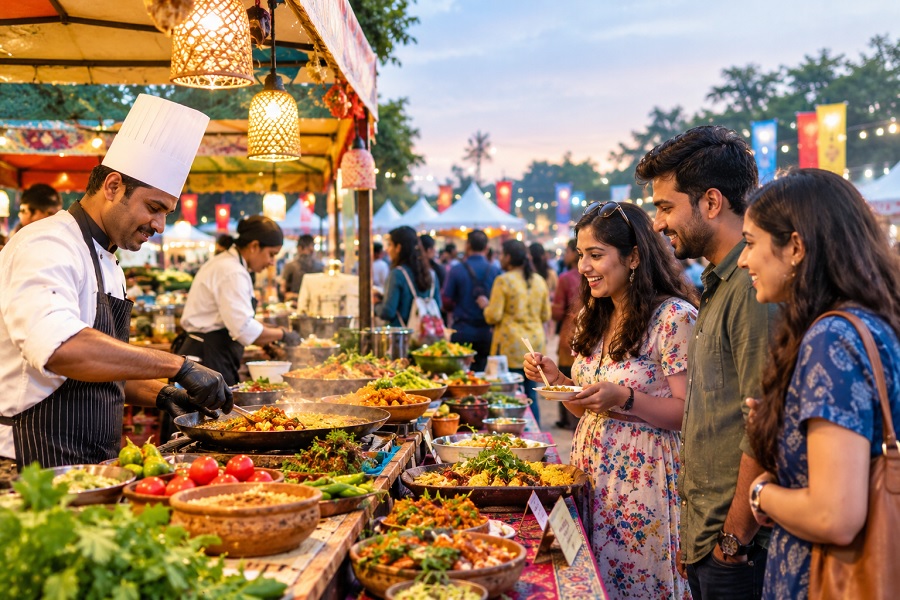
Markets also provide opportunities for food photography and cultural observation, although travelers should always ask permission before photographing people or private activities.
South Indian Street Food Tourism
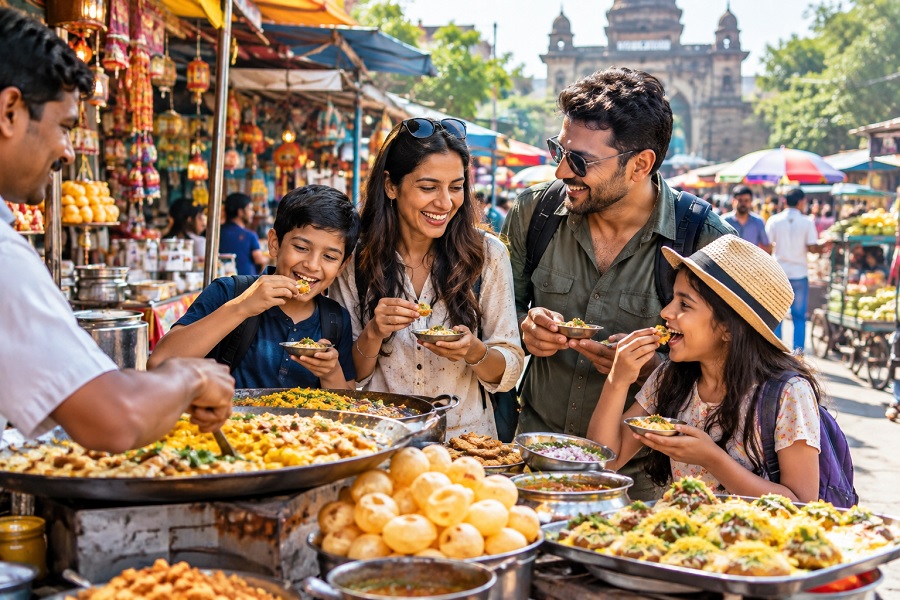
Street food is an important part of culinary travel in southern cities.
Visitors can discover local snacks, dosas, vadas, bajjis, bondas, paniyaram, regional sweets, and other specialties.
Food walks can be particularly useful because local guides can explain ingredients, preparation methods, food history, and popular neighborhood establishments.
Travelers should choose hygienic vendors and consider local food-safety conditions when selecting street food.
South Indian Sweet Tourism
South India offers a wide variety of traditional sweets.
Popular examples include:
Mysore pak
Payasam
Adhirasam
Kozhukattai
Obbattu or holige
Kesari
Unniyappam
Various regional ladoos
Sweet shops and traditional food markets can become interesting stops on culinary tours.
South Indian Food Festivals
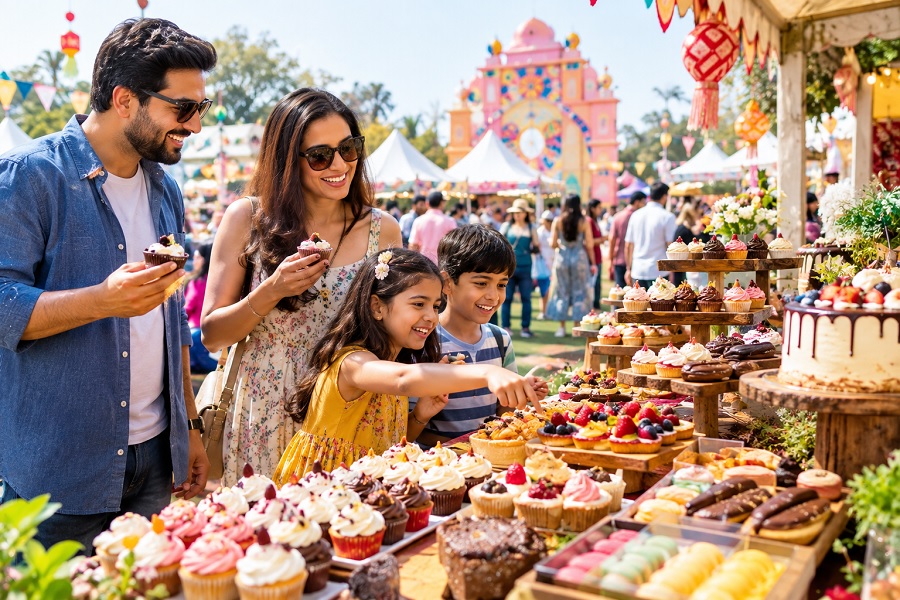
Food festivals provide opportunities to sample several regional dishes in one place.
Culinary events can showcase:
Traditional recipes
Local chefs
Regional ingredients
Cooking demonstrations
Traditional sweets
Street food
Agricultural products
Cultural performances
Travelers should check official event information before planning their trip because festival dates and venues can change.
South Indian Cooking Classes
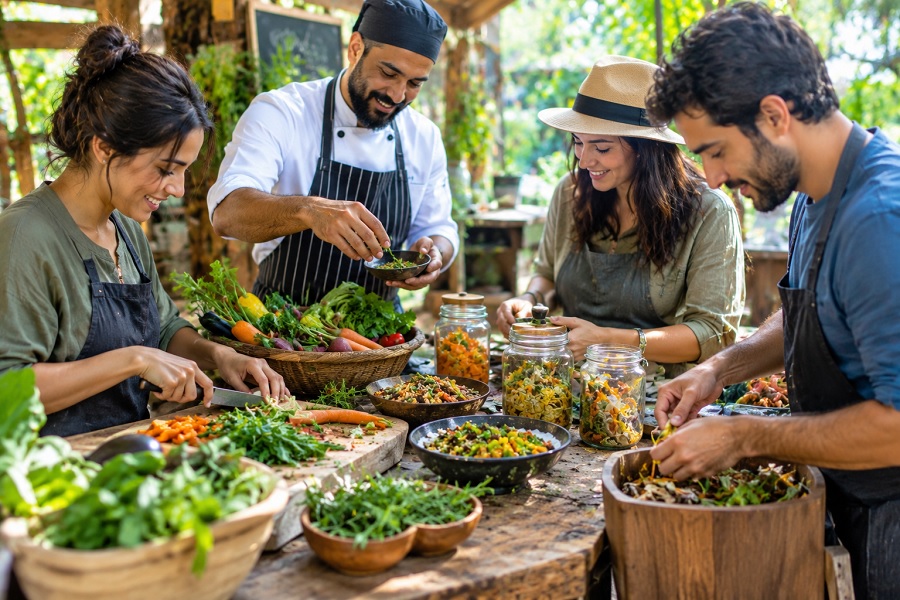
Cooking classes can turn food tourism into an interactive experience.
Visitors can learn how to prepare traditional dishes such as dosa, sambar, chutneys, curries, rice dishes, sweets, and regional specialties.
Local cooking classes can also explain:
Spice combinations
Fermentation
Grinding techniques
Traditional utensils
Regional ingredients
Food customs
Family travelers can particularly enjoy cooking workshops because children can participate in simple preparation activities under supervision.
Farm-to-Table Experiences
South Indian food tourism can also include visits to farms and plantations.
Travelers can learn where ingredients come from and how agricultural products become part of local cuisine.
Possible experiences include:
Rice farming
Coconut farms
Banana plantations
Spice gardens
Coffee estates
Vegetable farms
Fruit orchards
Organic farms
These experiences connect food with agriculture and rural tourism.
Sustainable South Indian Food Tourism
Responsible food tourism should support local communities and reduce environmental impact.
Travelers can:
Choose locally owned restaurants
Support local farmers
Buy regional products
Avoid unnecessary food waste
Carry reusable items where practical
Respect traditional food customs
Choose seasonal ingredients
Support community-based tourism
Avoid damaging agricultural areas
Sustainable culinary tourism can help preserve traditional recipes and create income opportunities for local producers.
Family South Indian Food Tourism
South Indian food tourism can be suitable for families because many destinations offer interactive culinary activities.
Family experiences can include:
Traditional breakfast tours
Cooking classes
Fruit farm visits
Sweet-making workshops
Food markets
Plantation tours
Restaurant discovery walks
Cultural food festivals
Parents can use these experiences to introduce children to regional ingredients, food traditions, and healthy eating habits.
Best Tips for South Indian Food Travelers
Before beginning a culinary trip, travelers should:
Research regional specialties.
Try locally popular dishes.
Ask about ingredients when necessary.
Choose reputable food establishments.
Respect local dining traditions.
Carry drinking water.
Avoid excessive food waste.
Ask permission before photographing people.
Explore both famous and lesser-known local foods.
Support local businesses and producers.
Future of South Indian Food Tourism
The future of South Indian Food Tourism is likely to focus increasingly on authentic experiences, local communities, sustainable agriculture, digital food guides, culinary workshops, food festivals, and farm-based tourism.
Travelers are becoming more interested in understanding where their food comes from and how traditional recipes are prepared. This creates opportunities for local cooks, farmers, restaurants, guides, homestays, and food producers.
Technology can also make culinary travel easier through digital maps, restaurant discovery platforms, food blogs, translation tools, and online cooking experiences.
Conclusion
South Indian Food Tourism Experiences provide a delicious way to explore the culture and diversity of southern India. From traditional breakfasts and banana-leaf meals to spice plantations, coffee estates, street food, regional sweets, cooking classes, and local markets, the region offers an enormous range of culinary experiences.
The real appeal of food tourism is not only tasting dishes. It is understanding the people, agriculture, traditions, history, and communities behind those dishes.
By choosing authentic experiences, supporting local businesses, respecting food traditions, and traveling responsibly, visitors can enjoy South India's rich culinary heritage while helping preserve it for future generations.