Zinc: The Body's ''Repair Manager'' – Why Deficiency Can Make You Extremely Weak
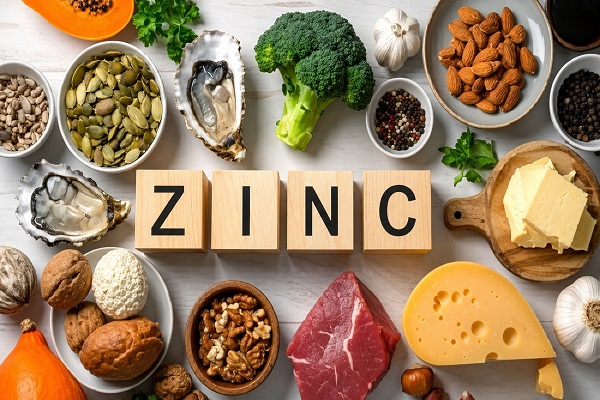
When it comes to essential nutrients, zinc often doesn’t get as much attention as vitamins like C or D. Yet, this powerful mineral plays a crucial role in keeping the body functioning smoothly. Often called the body’s “repair manager,” zinc is responsible for healing, immunity, and maintaining overall strength. A deficiency of zinc can quietly weaken the body, leading to several health problems.
What is Zinc and Why is it Important?
Zinc is a trace mineral required in small amounts, but its impact on the body is enormous. It is involved in over 300 enzymatic reactions, supporting everything from cell growth to immune defense.
This mineral helps:
Repair damaged tissues
Support immune system function
Aid in protein synthesis
Promote healthy skin and wound healing
Maintain proper sense of taste and smell
Zinc as the Body’s Repair Manager
Zinc plays a key role in cell regeneration and repair. Whether it’s healing a wound, recovering from illness, or maintaining healthy skin, zinc ensures that damaged cells are repaired efficiently. It also supports DNA synthesis, making it essential for growth and development.
Without enough zinc, the body’s natural repair processes slow down, making recovery longer and less effective.
Signs of Zinc Deficiency
A lack of zinc in the body can lead to noticeable and sometimes serious symptoms. These include:
Frequent infections due to weak immunity
Slow wound healing
Hair loss
Loss of appetite
Fatigue and weakness
Skin problems like acne or rashes
Reduced sense of taste or smell
In severe cases, zinc deficiency can even affect growth in children and lead to long-term health complications.
How Zinc Deficiency Weakens the Body
Zinc deficiency directly impacts the immune system, making the body more vulnerable to infections and illnesses. It also reduces the body’s ability to repair tissues, leading to prolonged recovery times.
Low zinc levels can cause:
Muscle weakness
Reduced energy levels
Poor concentration
Increased risk of chronic diseases
Over time, this can make the body feel constantly tired and less resilient.
Who is at Risk?
Certain groups are more likely to suffer from zinc deficiency, including:
People with poor or unbalanced diets
Vegetarians and vegans (due to lower zinc absorption from plant sources)
Pregnant and breastfeeding women
Elderly individuals
People with digestive disorders
Best Sources of Zinc
To maintain adequate zinc levels, it is important to include zinc-rich foods in your diet. Some of the best sources include:
Meat and poultry
Seafood (especially oysters)
Dairy products
Nuts and seeds
Whole grains
Legumes like lentils and chickpeas
Tips to Improve Zinc Absorption
Combine zinc-rich foods with protein sources
Soak or sprout legumes and grains to improve absorption
Avoid excessive intake of processed foods
Conclusion
Zinc may be required in small amounts, but its role in the body is massive. Acting as the body’s “repair manager,” it ensures that healing, immunity, and overall health remain strong. Ignoring zinc intake can lead to weakness, frequent illness, and slow recovery.
By maintaining a balanced diet and ensuring adequate zinc consumption, you can keep your body strong, resilient, and ready to repair itself efficiently.