Cold and Flu Prevention: Simple Steps to Stay Healthy Throughout the Year
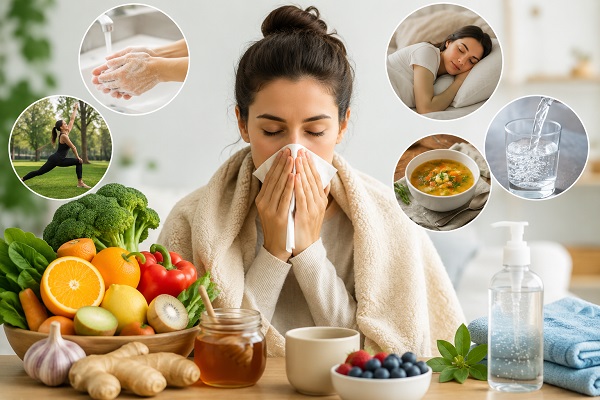
Colds and the flu are among the most common illnesses worldwide, affecting millions of people each year. While they share similar symptoms, the flu is generally more severe and can lead to serious complications, especially in older adults, young children, pregnant women, and people with weakened immune systems. Fortunately, many cases can be prevented by adopting healthy habits and taking proactive measures to protect yourself and those around you.
Understanding the Difference Between a Cold and the Flu
Although both illnesses are caused by viruses and spread through respiratory droplets, they differ in severity.
Common Cold Symptoms:
Runny or stuffy nose
Sneezing
Mild sore throat
Mild cough
Low-grade or no fever
Gradual onset of symptoms
Flu Symptoms:
High fever
Chills
Body aches
Fatigue and weakness
Dry cough
Headache
Sudden onset of symptoms
Recognizing the difference can help you seek appropriate care and reduce the spread of infection.
How Colds and Flu Spread
Cold and flu viruses spread through:
Coughing and sneezing
Close contact with infected individuals
Touching contaminated surfaces and then touching your eyes, nose, or mouth
Sharing personal items such as utensils, towels, or drinking glasses
Because these viruses spread easily in schools, workplaces, and public spaces, prevention is essential.
Effective Ways to Prevent Colds and Flu
1. Wash Your Hands Frequently
Regular handwashing is one of the most effective ways to reduce the spread of viruses. Wash your hands with soap and water for at least 20 seconds, especially:
Before eating
After using the restroom
After coughing or sneezing
After returning home from public places
If soap and water are unavailable, use an alcohol-based hand sanitizer.
2. Get an Annual Flu Vaccine
The seasonal flu vaccine is one of the best ways to lower your risk of influenza and reduce the chances of severe illness, hospitalization, and complications. Because flu viruses change over time, getting vaccinated every year helps provide the best available protection.
3. Avoid Touching Your Face
Viruses can enter your body through your eyes, nose, and mouth. Avoid touching your face with unwashed hands, especially after being in public places.
4. Practice Good Respiratory Hygiene
Cover your mouth and nose with a tissue or your elbow when coughing or sneezing. Dispose of used tissues immediately and wash your hands afterward.
5. Maintain a Strong Immune System
A healthy immune system helps your body respond effectively to infections. Support it by:
Eating a balanced diet rich in fruits and vegetables
Staying physically active
Getting adequate sleep
Managing stress
Drinking enough water
6. Clean Frequently Touched Surfaces
Regularly disinfect surfaces such as:
Door handles
Mobile phones
Computer keyboards
Light switches
Remote controls
Kitchen countertops
This is especially important during cold and flu season.
7. Keep Your Distance from Sick Individuals
If someone around you is ill, try to minimize close contact. Likewise, if you're sick, stay home when possible to help protect others.
8. Wear a Mask When Appropriate
In crowded indoor settings or when caring for someone who is sick, wearing a well-fitting mask can help reduce the spread of respiratory viruses.
Foods That Support Immune Health
While no single food can prevent illness, a nutritious diet supports overall immune function. Consider including:
Citrus fruits
Berries
Leafy green vegetables
Garlic
Ginger
Yogurt with live cultures
Nuts and seeds
Beans and lentils
Eggs
Whole grains
A varied diet is generally more beneficial than relying on supplements unless recommended by a healthcare professional.
Healthy Lifestyle Habits That Make a Difference
Small daily habits can help reduce your risk of illness:
Sleep 7-9 hours each night (adults)
Exercise regularly
Stay hydrated
Avoid smoking
Limit alcohol consumption
Spend time outdoors when possible
Manage stress through meditation, yoga, or deep breathing
When Should You See a Doctor?
Seek medical attention if you experience:
Difficulty breathing
Chest pain
Persistent high fever
Severe dehydration
Confusion or unusual drowsiness
Symptoms that improve and then suddenly worsen
Flu-like symptoms if you are at high risk for complications
Early medical evaluation is especially important for infants, older adults, pregnant women, and people with chronic health conditions.
Common Myths About Colds and Flu
Myth: Cold weather alone causes colds.
Fact: Colds and the flu are caused by viruses, not by cold temperatures themselves.
Myth: Antibiotics cure colds and the flu.
Fact: Antibiotics do not work against viral infections. They are only effective against bacterial infections when prescribed appropriately.
Myth: Vitamin C can prevent all colds.
Fact: Vitamin C is important for health, but evidence does not show that it completely prevents colds in most people.
Final Thoughts
Preventing colds and the flu begins with simple, consistent habits. Washing your hands, getting the annual flu vaccine, maintaining a healthy lifestyle, practicing good respiratory hygiene, and staying home when you're sick can significantly reduce your risk of infection and help protect your community. By taking these preventive steps, you can enjoy better health throughout the year and minimize disruptions to your daily life.