Managing Blood Sugar Through Diet and Exercise: A Complete Guide to Better Health

Blood sugar management plays an important role in maintaining overall health and preventing lifestyle-related diseases. With changing eating habits, stress, and reduced physical activity, maintaining stable blood glucose levels has become a major concern for many people.
While medications may be necessary for some individuals, healthy lifestyle choices such as a balanced diet and regular exercise can significantly support better blood sugar control. Understanding how food and physical activity affect blood glucose levels can help people make smarter daily decisions.
Understanding Blood Sugar Levels
Blood sugar, also known as blood glucose, is the main source of energy for the body. When we eat food, especially carbohydrates, the body breaks it down into glucose, which enters the bloodstream.
The hormone insulin helps move glucose from the blood into cells, where it is used for energy. When the body does not produce enough insulin or cannot use it effectively, blood sugar levels can rise, leading to conditions like diabetes.
Maintaining balanced blood sugar levels helps improve energy, metabolism, and long-term health.
The Role of Diet in Blood Sugar Management
A healthy diet is one of the most effective ways to support stable blood glucose levels. The goal is not to completely avoid carbohydrates but to choose the right types and consume them in balanced amounts.
Choose High-Fiber Foods
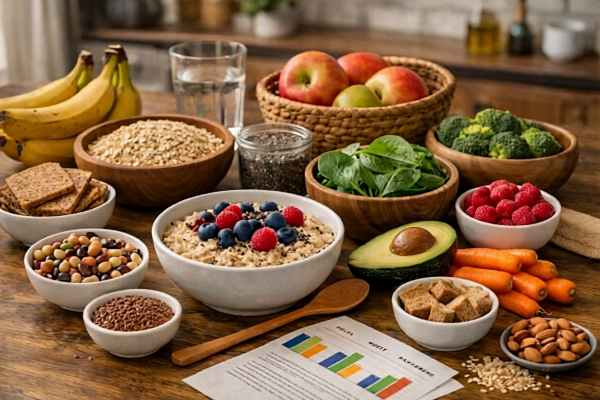
Fiber slows down digestion and helps prevent sudden spikes in blood sugar. Foods rich in fiber include:
* Whole grains like oats, brown rice, and whole wheat
* Vegetables
* Fruits with their natural fiber
* Beans and legumes
* Nuts and seeds
Including fiber-rich foods in meals can help maintain steady energy levels throughout the day.
Focus on Balanced Meals
A balanced plate should include a combination of:
* Complex carbohydrates
* Protein sources
* Healthy fats
* Vegetables
Protein and healthy fats help slow glucose absorption and keep you feeling full for longer.
Examples of balanced meals include:
* Dal with brown rice and vegetables
* Paneer or tofu with salad and whole wheat roti
* Eggs or lean protein with vegetables (for non-vegetarians)
Reduce Added Sugar Intake
Foods and drinks high in added sugar can quickly increase blood glucose levels. Try limiting:
* Soft drinks
* Packaged juices
* Sweets and desserts
* Sugary snacks
* Processed foods
Replacing sugary foods with healthier alternatives can make a significant difference.
Maintain Proper Meal Timing
Skipping meals or eating irregularly can affect blood sugar balance. Eating meals at consistent times helps the body regulate energy levels more effectively.
Small, balanced meals throughout the day may help some people avoid sudden fluctuations in blood glucose.
Importance of Exercise for Blood Sugar Control
Physical activity helps the body use glucose more efficiently. During exercise, muscles use blood sugar for energy, which can help improve insulin sensitivity.
Regular exercise can provide several benefits, including:
* Better glucose control
* Improved heart health
* Healthy weight management
* Increased energy levels
* Reduced stress
Best Exercises for Managing Blood Sugar
Walking
Walking is one of the simplest and most effective exercises. A daily walk after meals can help improve glucose utilization and support digestion.
Even 30 minutes of moderate walking most days of the week can provide health benefits.
Strength Training
Resistance exercises such as weight training help build muscle mass. More muscle allows the body to store and use glucose more effectively.
Examples include:
* Squats
* Push-ups
* Weight lifting
* Resistance band exercises
Yoga and Stretching
Yoga can support overall wellness by improving flexibility, reducing stress, and promoting relaxation. Since stress hormones can affect blood sugar levels, stress management is an important part of diabetes care.
## Lifestyle Habits That Support Healthy Blood Sugar
### Stay Hydrated
Drinking enough water supports proper metabolism and helps the body function efficiently.
Get Quality Sleep
Poor sleep can affect hormones related to hunger, insulin sensitivity, and blood sugar regulation. Aim for consistent and quality sleep every night.
Manage Stress
Chronic stress can increase hormones that may raise blood glucose levels. Meditation, breathing exercises, and hobbies can help manage stress.
Monitor Blood Sugar Regularly
People with diabetes or blood sugar concerns should regularly monitor their levels as advised by healthcare professionals. Tracking patterns can help understand how food, exercise, and lifestyle choices affect the body.
Foods That May Support Blood Sugar Management
Some foods that can be included as part of a balanced diet are:
* Leafy green vegetables
* Nuts like almonds and walnuts
* Lentils and beans
* Greek yogurt or low-sugar dairy options
* Whole grains
* Cinnamon in moderation
* Fatty fish (for non-vegetarians)
However, no single food can control blood sugar alone. Overall eating patterns matter the most.
Common Mistakes to Avoid
* Completely eliminating carbohydrates without guidance
* Skipping meals frequently
* Eating too many processed foods
* Avoiding exercise due to lack of time
* Ignoring stress and sleep quality
Small, consistent improvements are more sustainable than extreme changes.
Conclusion
Managing blood sugar is a combination of smart food choices, regular physical activity, and healthy lifestyle habits. A balanced diet with high-fiber foods, adequate protein, and reduced processed sugar can help support stable glucose levels.
Regular exercise, including walking and strength training, improves the body's ability to use glucose effectively. By making gradual lifestyle changes and maintaining consistency, individuals can take meaningful steps toward better health and long-term wellness.