Diabetes Prevention Tips: Simple Lifestyle Changes to Lower Your Risk

Diabetes is one of the fastest-growing health concerns worldwide, affecting millions of people each year. While genetics can play a role, many cases of Type 2 diabetes are linked to lifestyle factors such as poor diet, physical inactivity, excess body weight, and smoking. The good news is that healthy habits can significantly reduce the risk of developing the condition.
By making small but consistent changes to your daily routine, you can improve blood sugar control, support overall health, and lower your chances of developing diabetes. Here are some practical and evidence-based diabetes prevention tips.
What Is Diabetes?
Diabetes is a chronic condition in which the body has difficulty regulating blood sugar (glucose). There are several types of diabetes, but Type 2 diabetes is the most common. It occurs when the body becomes resistant to insulin or does not produce enough insulin to keep blood sugar levels within a healthy range.
1. Maintain a Healthy Body Weight
Being overweight or obese, especially around the abdomen, increases the risk of insulin resistance. Losing even 5–10% of your body weight, if you are overweight, can improve insulin sensitivity and help lower your risk of developing Type 2 diabetes.
2. Eat a Balanced Diet
A healthy diet plays a key role in diabetes prevention. Focus on eating:
Whole grains such as oats, brown rice, and whole wheat
Fresh fruits and vegetables
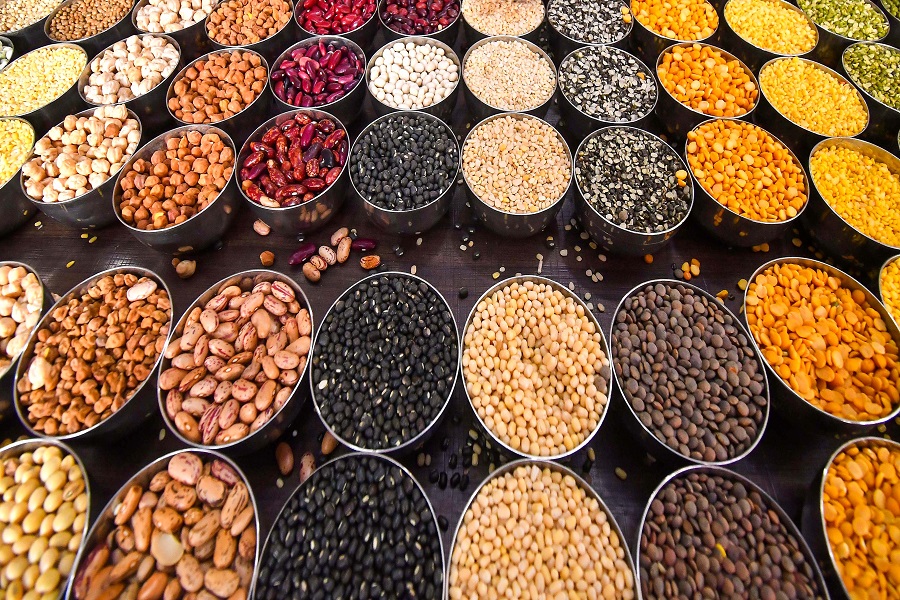
Lean proteins like fish, chicken, beans, and lentils
Healthy fats from nuts, seeds, avocados, and olive oil
High-fiber foods that help regulate blood sugar
Limit sugary drinks, sweets, refined carbohydrates, and highly processed foods.
3. Stay Physically Active
Regular physical activity helps your body use insulin more effectively and supports healthy blood sugar levels. Aim for at least 150 minutes of moderate-intensity exercise each week, such as:
Brisk walking
Cycling
Swimming
Jogging
Dancing
Yoga or strength training
Even short walks after meals can help improve blood sugar control.
4. Reduce Sugar Intake
Consuming large amounts of added sugar can contribute to weight gain and increase the risk of Type 2 diabetes. Replace sugary beverages with water, unsweetened tea, or infused water, and choose naturally sweet foods like fruit instead of sugary snacks whenever possible.
5. Increase Fiber Intake
Fiber slows the absorption of sugar into the bloodstream, helping maintain steady blood glucose levels. Good sources of fiber include:
Whole grains
Fruits
Vegetables
Legumes
Nuts and seeds
Adults should aim for an adequate daily intake of dietary fiber as part of a balanced diet.
6. Get Enough Quality Sleep
Poor sleep can affect hormones that regulate appetite and blood sugar. Adults generally need 7–9 hours of quality sleep each night. Establishing a consistent bedtime routine and limiting screen time before bed may help improve sleep quality.
7. Manage Stress Effectively
Chronic stress may contribute to unhealthy habits and can influence blood sugar regulation. Healthy ways to manage stress include:
Meditation
Deep breathing exercises
Yoga
Spending time outdoors
Reading or listening to music
Talking with family or friends
Finding stress-management techniques that work for you can support both mental and physical health.
8. Stay Hydrated
Water is the best choice for staying hydrated. Drinking enough water supports overall health and may help reduce the consumption of sugar-sweetened beverages.
9. Avoid Smoking and Limit Alcohol
Smoking increases the risk of many chronic diseases, including Type 2 diabetes. Quitting smoking offers significant health benefits. If you drink alcohol, do so in moderation, as excessive alcohol consumption can negatively affect overall health.
10. Monitor Your Health Regularly
Regular health check-ups can help detect elevated blood sugar levels before diabetes develops. People with a family history of diabetes, excess weight, high blood pressure, or other risk factors should discuss appropriate screening with their healthcare provider.
Early Warning Signs of Diabetes
Recognizing symptoms early can help you seek medical advice promptly. Common signs include:
Frequent urination
Increased thirst
Unexplained weight loss
Constant fatigue
Blurred vision
Slow-healing wounds
Frequent infections
Increased hunger
These symptoms do not always mean you have diabetes, but they should be evaluated by a healthcare professional.
Foods That Support Healthy Blood Sugar
Including nutrient-rich foods in your daily meals may help support healthy blood sugar levels:
Leafy green vegetables
Broccoli
Tomatoes
Berries
Apples
Citrus fruits
Beans and lentils
Oats
Brown rice
Quinoa
Almonds
Walnuts
Chia seeds
Flaxseeds
Plain yogurt (unsweetened)
Who Is at Higher Risk?
Your risk of developing Type 2 diabetes may be higher if you:
Have a family history of diabetes
Are overweight or obese
Lead a physically inactive lifestyle
Have high blood pressure
Have high cholesterol or triglycerides
Have had gestational diabetes during pregnancy
Have been diagnosed with prediabetes
If you have one or more of these risk factors, speak with your healthcare provider about ways to reduce your risk.
Final Thoughts
Preventing Type 2 diabetes starts with healthy everyday choices. Eating a balanced diet, staying physically active, maintaining a healthy weight, getting enough sleep, managing stress, and avoiding smoking can all contribute to better blood sugar control and overall well-being. While no strategy can guarantee prevention, adopting these habits can significantly lower your risk and improve your long-term health.
If you are concerned about your diabetes risk or have symptoms of high blood sugar, consult a qualified healthcare professional for personalized advice, screening, and appropriate care.