Women`s Leadership and Policy Influence Expanding in 2026

Governments, corporations, and international organizations are recognizing the importance of gender-inclusive leadership. More women are being elected to political offices, appointed to executive positions, and leading major global initiatives. This shift is not only promoting equality but also bringing diverse perspectives to policymaking and innovation.
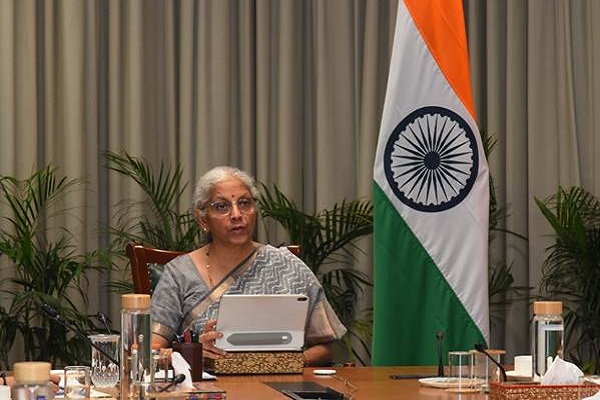
In politics, women leaders are playing critical roles in addressing issues such as economic recovery, healthcare reform, digital transformation, education access, and climate resilience. Countries around the world are witnessing increased representation of women in parliaments and leadership councils, helping create policies that focus on inclusivity, social welfare, and sustainable development.
The corporate sector is also seeing a strong rise in women executives and entrepreneurs. Companies are investing in diversity programs, mentorship opportunities, and equal pay initiatives to create more balanced workplaces. Research continues to show that organizations with diverse leadership teams often perform better financially and foster stronger workplace cultures.
Education and technology are becoming major drivers of women’s empowerment in 2026. More women are entering STEM fields, launching startups, and leading innovations in artificial intelligence, healthcare technology, and sustainability solutions. Digital platforms are also amplifying women’s voices, enabling activists, professionals, and creators to influence global conversations like never before.
At the same time, global organizations and advocacy groups are pushing for stronger laws to protect women’s rights, ensure workplace safety, improve maternal healthcare, and eliminate gender-based violence. Campaigns promoting equal opportunities and leadership development are gaining momentum in both developed and developing nations.
Despite the progress, challenges remain. Gender pay gaps, underrepresentation in certain industries, and societal barriers continue to affect millions of women worldwide. However, the growing visibility and influence of women leaders are inspiring the next generation to pursue leadership roles with confidence and determination.
As 2026 unfolds, women’s leadership is no longer viewed as optional—it is increasingly seen as essential for building stronger economies, fairer societies, and a more sustainable future. The expanding influence of women in leadership and policymaking marks a transformative era that has the potential to redefine global progress for generations to come.