Women in Cybersecurity: Building a Safer and More Inclusive Digital World
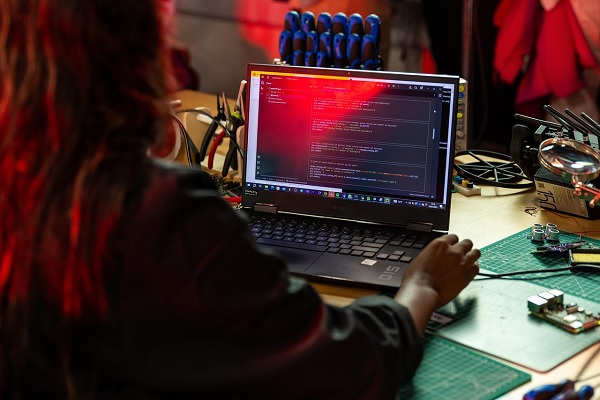
As businesses, governments and individuals become increasingly dependent on digital technology, cybersecurity has emerged as an essential part of modern life. From protecting financial information to securing business networks, cybersecurity professionals play a critical role in managing digital risks. Women are increasingly entering this field, contributing their technical knowledge, problem-solving abilities and leadership to the evolving cybersecurity industry.
Growing Opportunities in Cybersecurity
The rapid expansion of digital services, online banking, cloud computing and artificial intelligence has increased the demand for cybersecurity professionals.
Women are exploring career opportunities in areas such as ethical hacking, security analysis, digital forensics, application security, risk management and information security. These roles offer opportunities across technology companies, financial institutions, government organisations and consulting firms.
Education and Technical Skills
Building a career in cybersecurity requires a combination of technical knowledge and practical experience. Understanding computer networks, operating systems, programming fundamentals and security principles can provide a strong foundation.
Professional certifications, online learning platforms, cybersecurity workshops and practical training environments can help women develop industry-relevant skills.
Educational institutions and technology organisations can also encourage greater participation through specialised courses, scholarships and mentorship programmes.
Women Contributing to Digital Safety
Women cybersecurity professionals are involved in identifying vulnerabilities, investigating cyber incidents, securing applications and protecting sensitive information.
Their contributions are particularly important as cyber threats such as phishing, identity theft, ransomware and financial fraud continue to evolve.
Greater diversity within security teams can also introduce different perspectives when identifying risks and developing solutions.
Overcoming Barriers in the Technology Sector
Despite growing opportunities, women in cybersecurity may encounter challenges such as gender stereotypes, limited professional networks and unequal representation in senior technical positions.
Access to mentorship, supportive workplaces, career development programmes and equal leadership opportunities can help address these barriers.
Companies also have an important role in creating environments where technical expertise and professional performance are recognised fairly.
Artificial Intelligence and the Future of Cybersecurity
Artificial intelligence is changing how organisations detect and respond to digital threats. AI-powered security tools can analyse unusual network activity, identify suspicious behaviour and support faster threat detection.
At the same time, cybercriminals are also using advanced technologies to develop more sophisticated attacks. This creates new opportunities for cybersecurity professionals to specialise in AI security, threat intelligence and data protection.
Creating a More Inclusive Digital Future
Encouraging more women to pursue cybersecurity careers can strengthen the technology workforce and contribute to a more inclusive digital economy.
Through education, practical training, mentorship and equal professional opportunities, women can play an even greater role in protecting digital infrastructure.
As technology continues to advance, women's participation in cybersecurity will remain important for building safer digital systems, stronger organisations and a more secure connected world.