How Women Are Building Successful Beauty Businesses in India
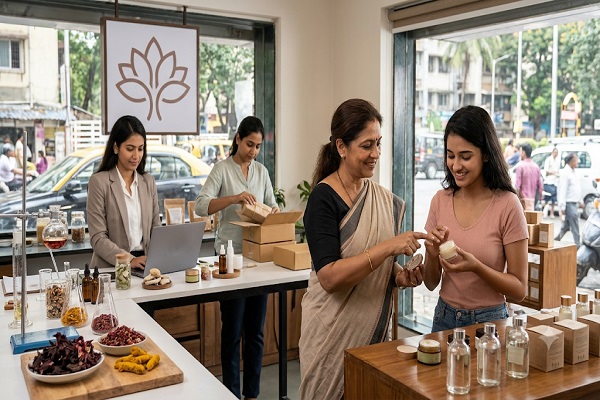
India's beauty and personal care industry is experiencing significant growth, creating new opportunities for women entrepreneurs. From launching skincare and cosmetics brands to operating beauty salons, makeup studios and online beauty stores, women are building businesses that cater to changing consumer preferences.
The increasing demand for skincare products, natural beauty solutions, professional makeup services and personalised grooming has encouraged many women to explore entrepreneurship. Digital platforms, social media marketing and e-commerce have also made it easier for small businesses to reach customers without investing heavily in traditional retail infrastructure.
Today, women are not only working as beauty professionals but are also becoming brand founders, business owners, product developers and industry leaders.
Growing Opportunities in India's Beauty Industry
The beauty and personal care market in India offers opportunities across several categories, including skincare, haircare, cosmetics, fragrances, personal hygiene and wellness.
Consumers are increasingly interested in products that suit their skin types, lifestyles and individual preferences. Demand for natural ingredients, affordable premium products, cruelty-free cosmetics and personalised beauty solutions is also influencing the industry.
This changing market is allowing women entrepreneurs to develop specialised products and services for different customer groups.
Some popular business segments include:
Skincare and beauty product manufacturing
Makeup and professional beauty services
Haircare and salon businesses
Herbal and natural beauty products
Online cosmetics stores
Beauty education and training institutes
Personal care and wellness services
Women Entrepreneurs Making Their Mark in the Beauty Industry
Several women entrepreneurs have built successful businesses by identifying market opportunities and developing products that connect with consumers.
1. Falguni Nayar – Nykaa
Falguni Nayar founded Nykaa in 2012, creating an online platform for beauty and personal care products. The company expanded into physical retail stores and developed its own beauty brands.
Nykaa's growth demonstrates how digital platforms can transform beauty shopping by providing customers with product choices, information and convenient purchasing options.
2. Ghazal Alagh – Mamaearth
Ghazal Alagh co-founded Mamaearth, a consumer brand that gained recognition in the personal care and skincare market.
The company focused on products positioned around natural ingredients and changing consumer preferences. Its growth reflects the opportunities available to entrepreneurs who understand the demand for specialised personal care products.
3. Vineeta Singh – SUGAR Cosmetics
Vineeta Singh co-founded SUGAR Cosmetics, a beauty brand that has developed a strong presence in India's cosmetics market.
The company combines online sales with offline retail distribution. Its journey highlights the importance of branding, product development and understanding the preferences of younger consumers.
These businesses demonstrate how women entrepreneurs can build brands that compete in a growing and competitive market.
How Women Are Starting Beauty Businesses
Women are choosing different business models depending on their skills, investment capacity and target customers. Some begin with home-based services, while others develop product brands or establish professional salons.
1. Starting a Home-Based Beauty Business
A home-based beauty business can be a practical starting point for women who want to enter entrepreneurship with relatively low investment.
Services such as facials, threading, waxing, basic skincare treatments and party makeup can be offered from a dedicated space at home, subject to appropriate hygiene and local requirements.
Entrepreneurs can initially focus on customers in their neighbourhood and gradually expand through referrals and social media.
2. Launching a Skincare or Cosmetics Brand
Women with an interest in beauty products can explore launching their own skincare or cosmetics brands.
Products such as face creams, moisturisers, lip balms, body lotions and haircare products can be developed through suitable third-party manufacturers.
However, entrepreneurs should carefully select manufacturers, check product quality, understand ingredient requirements and comply with applicable cosmetic regulations before selling products.
3. Opening a Beauty Salon or Makeup Studio
Beauty salons and makeup studios remain popular business options for women with professional training and practical experience.
Entrepreneurs can offer services such as bridal makeup, hairstyling, skincare treatments, nail care and grooming packages.
A small studio can begin with a limited service range and expand as the customer base grows.
4. Selling Beauty Products Online
E-commerce and social media have created new opportunities for women to sell cosmetics and personal care products.
Entrepreneurs can use their own websites, online marketplaces and social media platforms to showcase products and connect with customers.
A focused product range, clear pricing, attractive packaging and reliable delivery can help build customer confidence.
5. Becoming a Beauty Educator
Women with professional beauty experience can also establish training centres or offer online courses.
Courses in makeup, hairstyling, skincare, nail art and salon management can attract students interested in developing professional skills.
This business model allows experienced beauty professionals to generate income by sharing their knowledge.
Role of Social Media in Growing Beauty Businesses
Social media has become an important marketing channel for beauty entrepreneurs. Platforms such as Instagram, YouTube and Facebook allow business owners to showcase products, demonstrate services and interact directly with customers.
Some effective social media strategies include:
Sharing product demonstrations and tutorials.
Publishing customer testimonials with permission.
Posting before-and-after results where appropriate.
Explaining product ingredients and usage instructions.
Sharing skincare and makeup tips.
Collaborating with relevant beauty creators.
Offering seasonal packages and promotional deals.
Consistent and informative content can help small businesses develop brand recognition and build customer relationships.
However, entrepreneurs should avoid misleading product claims, edited results that create unrealistic expectations and unsupported promises about beauty or skincare benefits.
Investment and Planning for a Beauty Business
The investment required to start a beauty business depends on its size, location and business model.
A home-based beauty service business may require a relatively small initial investment in training, equipment and products. A salon, manufacturing-based brand or physical retail store generally requires more capital.
Before starting, women entrepreneurs should prepare a basic business plan covering:
Business model: Decide whether to offer services, sell products or operate both.
Target customers: Identify the age group, preferences and purchasing capacity of potential customers.
Initial investment: Estimate expenses for equipment, inventory, rent, packaging and marketing.
Pricing strategy: Set prices after considering product costs, operating expenses and local competition.
Marketing plan: Choose suitable online and offline channels to reach customers.
Legal requirements: Understand applicable business registrations, tax requirements, licences and product regulations.
Starting with a limited product or service range can help entrepreneurs understand customer demand before making larger investments.
Challenges Faced by Women in the Beauty Business
Although the beauty industry offers several opportunities, women entrepreneurs also face challenges while establishing and expanding their businesses.
High Competition: The market includes established brands, independent sellers, salons and online businesses. Developing a distinct identity is important for attracting customers.
Access to Finance: New entrepreneurs may find it difficult to arrange funds for equipment, inventory, manufacturing and business expansion.
Building Customer Trust: Customers often look for reliable products and professional services. Maintaining quality and transparent communication is essential.
Product Quality and Safety: Beauty products must meet applicable quality and regulatory standards. Poor-quality products can damage customer trust and create safety concerns.
Marketing Expenses: Reaching customers in a competitive digital market may require regular investment in advertising and content creation.
Business Management: Managing suppliers, customer appointments, inventory, payments and marketing requires planning and organisational skills.
Government Support and Training Opportunities
Women interested in starting beauty businesses can explore entrepreneurship support programmes and skill-development opportunities.
Initiatives such as the Pradhan Mantri MUDRA Yojana may help eligible small business owners access institutional credit. Women can also explore training and entrepreneurship programmes offered through government-supported institutions, recognised skill-development centres and local business organisations.
Before applying for any scheme, entrepreneurs should check the latest eligibility conditions, loan terms, documentation requirements and availability through official channels.
Professional training in cosmetology, makeup, skincare, haircare and salon management can also improve business prospects.
Future of Women-Led Beauty Businesses in India
The future of India's beauty industry is closely linked to changing consumer lifestyles, digital shopping and increasing demand for specialised personal care products.
Women entrepreneurs are well positioned to explore opportunities in affordable skincare, regional beauty products, personalised services, clean beauty, professional makeup and online retail.
Smaller businesses can also benefit from focusing on specific customer needs rather than trying to compete directly with large brands across every category.
Success, however, requires more than a good product or attractive packaging. Consistent quality, customer service, responsible marketing, financial planning and an understanding of market demand are equally important.
Women are gradually transforming India's beauty industry by turning their skills, creativity and business ideas into sustainable enterprises. With access to training, finance, technology and market opportunities, more women can become an important part of India's growing beauty and personal care economy.