Women in Agriculture: Driving Innovation and Transforming Rural Communities
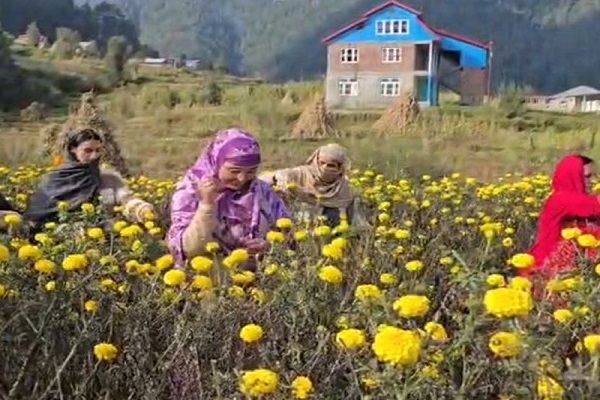
Women have always played an important role in agriculture, contributing to farming activities, livestock management, food processing, and rural household economies. Today, their participation is expanding beyond traditional responsibilities as more women take leadership roles in agricultural businesses, adopt modern farming techniques, and explore new opportunities in the agricultural sector.
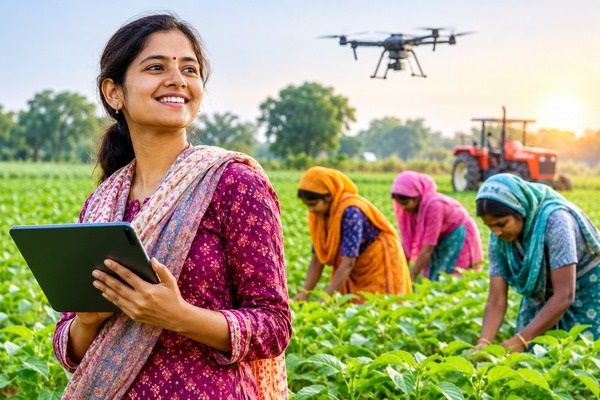
One important development is the growing use of modern agricultural technology. Women farmers are increasingly exploring tools such as drip irrigation, soil testing, improved seeds, farm machinery, and digital platforms to improve agricultural productivity. Access to these technologies can help reduce manual labour, manage resources more efficiently, and support better farming decisions.
Self-help groups and women-led agricultural cooperatives are also creating opportunities for economic participation. Through collective farming, food processing, dairy activities, and small-scale agricultural enterprises, women can strengthen their income sources and access wider markets.
Digital platforms are further changing the way women participate in agriculture. Mobile applications, online marketplaces, and digital payment systems can help farmers access weather information, learn about crop management, connect with buyers, and manage financial transactions.
However, several challenges continue to affect women in agriculture. Limited access to land ownership, credit facilities, modern equipment, agricultural training, and market connections can restrict their opportunities for growth. Addressing these barriers is important for creating a more inclusive agricultural environment.
Greater access to education, financial services, government support programmes, and agricultural resources can help women expand their roles across the farming value chain.
Ultimately, empowering women in agriculture is essential for strengthening rural economies, improving food systems, and encouraging sustainable agricultural development. Their knowledge, participation, and leadership can play a significant role in shaping the future of farming.