Wildlife Tourism and Ecotourism: Protecting Nature While Traveling
Traveling to experience wildlife in its natural habitat is an exhilarating adventure that connects us deeply to the planet’s biodiversity. However, it is crucial to approach wildlife tourism responsibly through the principles of ecotourism, ensuring that our explorations do not harm the environment or the animals we cherish.
Understanding Wildlife Tourism and Ecotourism
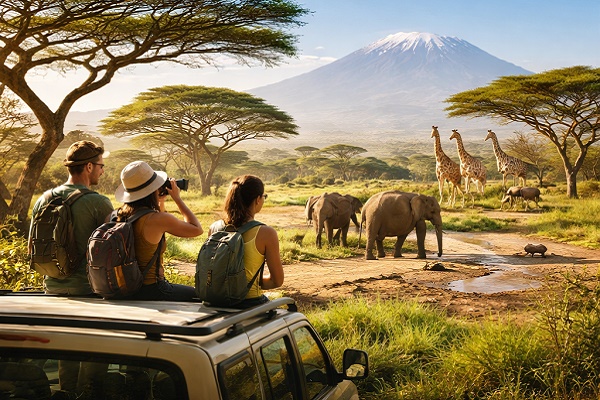
Wildlife tourism involves visiting natural areas to observe and interact with animals in their habitats. From safaris in Africa to birdwatching in the Amazon, it offers unforgettable encounters with nature’s wonders.
Ecotourism, on the other hand, is a sustainable form of travel focused on conserving ecosystems, supporting local communities, and educating tourists about environmental protection. When wildlife tourism adopts ecotourism principles, it becomes a powerful tool to protect nature while fostering economic and social benefits.
Why Responsible Wildlife Tourism Matters
Unregulated wildlife tourism can lead to habitat destruction, stress for animals, and disruption of natural behaviors. Overcrowding, littering, and feeding wildlife are common issues that threaten fragile ecosystems.
By practicing responsible wildlife tourism through ecotourism:
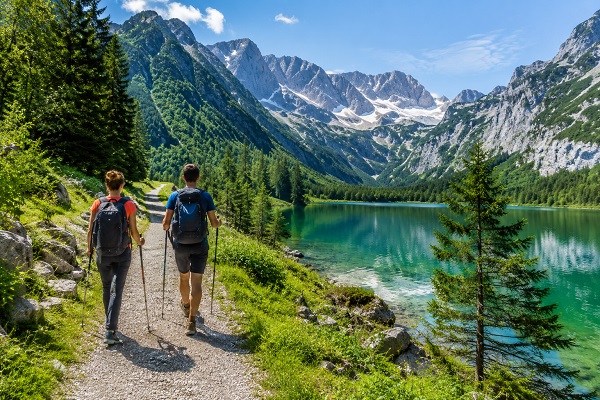
Habitats remain intact: Avoiding off-trail wandering, minimizing noise, and respecting boundaries helps preserve ecosystems.
Animals stay safe and stress-free: Observing from a distance prevents disturbance and aggression.
Local communities benefit: Sustainable tourism creates jobs and incentives to protect wildlife habitats.
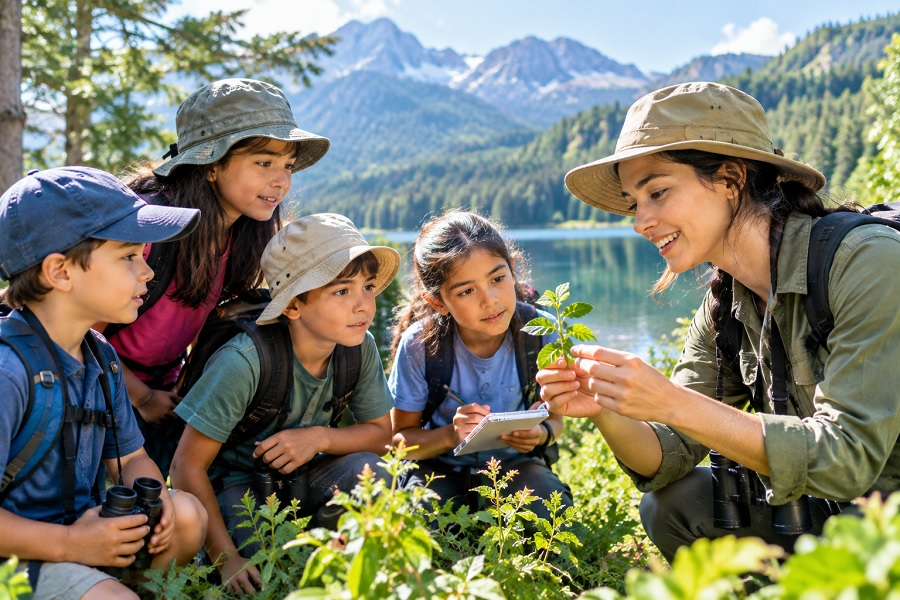
Awareness and education increase: Tourists become ambassadors for conservation efforts.
Best Practices for Protecting Nature While Traveling
Choose certified ecotourism operators: Look for guides and companies committed to conservation and ethical wildlife encounters.
Follow local guidelines: Respect park rules, avoid touching or feeding animals, and maintain a safe distance.
Minimize your footprint: Use reusable items, reduce waste, and travel using eco-friendly transport.
Support community initiatives: Buy local crafts and contribute to conservation projects.
Educate yourself: Learn about species, threats, and conservation challenges before and during your trip.
Success Stories of Ecotourism in Wildlife Conservation
Several ecotourism projects worldwide have successfully balanced tourism and conservation. The Maasai Mara in Kenya involves local Maasai communities in guiding safaris, ensuring protection of the big cats and their prey. Similarly, Costa Rica’s eco-lodges fund rainforest preservation and support wildlife rehabilitation.
Conclusion
Wildlife tourism, when practiced through the lens of ecotourism, offers a sustainable way to enjoy the planet’s natural wonders while playing an active role in conservation. By traveling responsibly, respecting nature, and supporting local communities, we can protect wildlife and their habitats for generations to come.