Wealth 3.0: The Future of Investing in a Fully Digital Economy

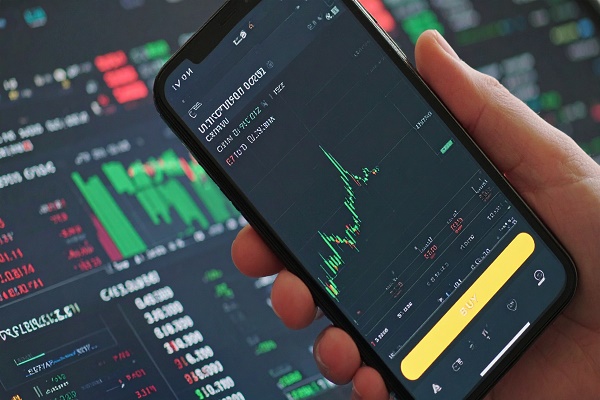
The world is entering a new financial era—Wealth 3.0, where money moves without borders, investments operate 24/7, and digital assets sit beside stocks and real estate as core parts of modern portfolios. If Wealth 1.0 was physical money and traditional banking, and Wealth 2.0 was online banking and electronic payments, Wealth 3.0 represents the complete digitalization of value.
Artificial intelligence, tokenization, digital currencies, and decentralized finance (DeFi) are rewriting the rules of wealth creation. In this era, investors no longer need large capital, insider networks, or complex systems—technology is the new gateway to prosperity. This article explores how Wealth 3.0 works, the forces driving it, and what it means for the future of investing.
What Is Wealth 3.0?
Wealth 3.0 refers to an economic environment where wealth is built, stored, traded, and grown digitally. It includes:
AI-driven investing
Tokenized real estate, commodities, and art
Digital currencies and CBDCs
DeFi protocols replacing traditional intermediaries
Borderless financial platforms
Automated financial planning and robo-advisors
Instead of relying on slow systems, paperwork, or middlemen, Wealth 3.0 empowers individuals with on-demand, personalized, and automated investing tools.
Key Drivers of Wealth 3.0
1. Tokenization of Real Assets
One of the biggest revolutions is the ability to tokenize real-world assets—turning buildings, gold, artwork, or even farmland into digital tokens that can be bought and sold instantly.
This allows:
Fractional ownership
Lower entry barriers
Global participation
Enhanced liquidity
For example, owning 1% of a luxury apartment in New York or a gold reserve in Dubai becomes as easy as buying a digital token.
2. Artificial Intelligence as a Wealth Engine
AI is no longer just analyzing markets—it is predicting, executing, and optimizing portfolios in real time.
AI in Wealth 3.0 includes:
Algorithmic trading
Risk management
Personalized financial planning
Fraud detection
Automated tax optimization
AI turns complex investing into accessible, data-driven wealth creation for everyone.
3. Decentralized Finance (DeFi)
DeFi removes banks and brokers, enabling users to:
Lend money directly
Earn interest on crypto
Use smart contracts for financial agreements
Trade 24/7 with full transparency
DeFi transforms investors into their own bank.
4. Digital Currencies and Global Payments
Central Bank Digital Currencies (CBDCs) and private digital currencies enable:
Instant cross-border transfers
Lower transaction costs
Universal access to payment systems
In Wealth 3.0, money flows globally without friction.
5. Rise of Creator and Digital Ownership Economy
Wealth is no longer limited to stocks or traditional business—digital creators, content owners, and freelancers now build wealth through:
NFTs
Digital rights
Subscription models
Tokenized communities
The economy is shifting from physical to intellectual and digital property.
How Wealth 3.0 Changes the Investor Journey
Investing becomes borderless
Anyone can invest anywhere—regardless of geography, currency, or banking limitations.
Wealth creation becomes automated
AI automatically rebalances portfolios, reduces risks, and identifies opportunities.
Everything becomes fractional
You don’t need millions to invest in premium assets.
Financial access becomes democratized
A teenager with a smartphone can build wealth the same way an institutional investor can.
Opportunities in the Wealth 3.0 Era
1. AI-guided portfolios
Smart portfolios that optimize themselves.
2. Tokenized real estate and art
Stable, high-value assets accessible at low entry points.
3. Digital savings and yield farming
Earning passive income through DeFi.
4. Crypto-index funds
Diversified exposure to blockchain assets.
5. Metaverse land and digital assets
A new asset class for early adopters.
Risks to Consider
Even as Wealth 3.0 grows, investors must be aware of:
Market volatility
Regulatory changes
Cybersecurity threats
Technical complexity
Scam projects
Education and due diligence are critical in a fully digital economy.
The Future: What Will Wealth Look Like in 2035?
By 2035, the global financial system may operate almost entirely digitally. Expect:
Real-time tax systems
AI financial coaches
Universal digital IDs
Tokenized global stock markets
Virtual investment cities
Entirely automated wealth ecosystems
In Wealth 3.0, wealth is not just money—it’s data, ownership, access, and digital identity.
Conclusion
Wealth 3.0 represents the most transformative financial evolution in modern history. As AI, tokenization, and decentralized finance mature, the future of wealth becomes more inclusive, intelligent, and global. Those who embrace digital literacy today will become the wealth leaders of tomorrow.