From Gold to Growth Assets: The Evolution of Wealth Thinking in Indian Households
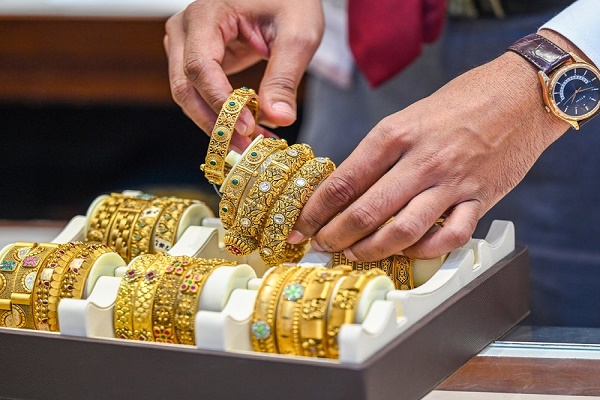
For generations, wealth in Indian households was defined not by numbers on a screen, but by tangible possessions—gold jewellery locked in steel cupboards, land passed down through family lines, and fixed deposits that promised safety over speed. These assets symbolised security, tradition, and social status. However, as India undergoes rapid economic transformation, a quiet but powerful shift is reshaping how Indian families think about wealth. The journey from gold to growth assets reflects a deeper evolution in financial mindset—one driven by education, technology, and changing aspirations.
Historically, gold occupied a central place in Indian financial planning. It was not merely an investment but an emotional and cultural anchor. Gold served as a hedge against uncertainty, a store of value during inflationary periods, and a form of financial independence—especially for women. Land and real estate followed closely, offering stability and intergenerational continuity. These assets were trusted because they were visible, understandable, and perceived as safe in a country where formal financial systems were once limited in reach.
The liberalisation of the Indian economy in the 1990s marked a turning point. As markets opened up and incomes rose, Indian households were gradually introduced to financial instruments beyond traditional assets. Mutual funds, equities, insurance products, and pension schemes entered mainstream conversations. Initially, adoption was cautious. Equity markets were seen as volatile and risky, often associated with speculation rather than disciplined investing. Yet, over time, improved regulation, better investor awareness, and consistent long-term returns began to change perceptions.
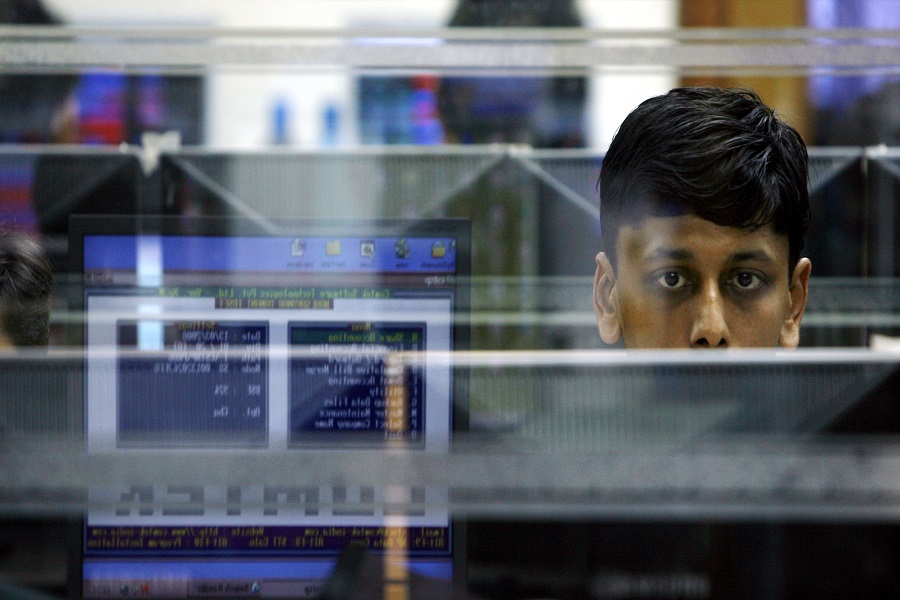
The real acceleration in wealth thinking came with the rise of digital finance. Mobile banking, investment apps, online brokerages, and fintech platforms made access to growth assets simpler and more transparent. Systematic Investment Plans (SIPs) became a household term, encouraging disciplined, long-term participation in equity markets. For the first time, middle-class families could invest small amounts regularly, benefiting from compounding without needing deep financial expertise. Wealth creation was no longer restricted to high-income earners or financial insiders.
Another significant driver of this shift has been the changing demographic profile of Indian households. Younger earners, exposed to global ideas and financial content through social media and digital platforms, view wealth differently from previous generations. For them, wealth is not just about preservation—it is about growth, liquidity, and future freedom. Equities, mutual funds, startups, REITs, and even global investments are seen as tools to build long-term financial independence rather than short-term gains.
At the same time, education and awareness have played a crucial role. Conversations around inflation, opportunity cost, asset allocation, and risk management are becoming more common within families. Households are increasingly recognising that while gold and fixed deposits offer stability, they often fail to outpace inflation over long periods. Growth assets, despite short-term volatility, provide the potential for real wealth creation when approached with patience and discipline.
Importantly, this evolution does not imply the abandonment of traditional assets. Instead, Indian households are moving toward a more balanced and diversified approach. Gold is now viewed as a hedge rather than a primary wealth driver. Real estate is evaluated through rental yields and liquidity, not just emotional value. Growth assets form the engine of wealth creation, while traditional assets provide stability and protection during economic uncertainty.
The shift from gold to growth assets reflects a broader transformation in Indian society—one that values informed decision-making, long-term thinking, and financial empowerment. Wealth is no longer measured solely by what can be seen or held, but by the ability to adapt, grow, and secure the future across generations. As Indian households continue this journey, the evolution of wealth thinking stands as a testament to a more confident, connected, and financially aware nation.