Building Wealth Through Precious Metals: A Long-Term Investment Guide
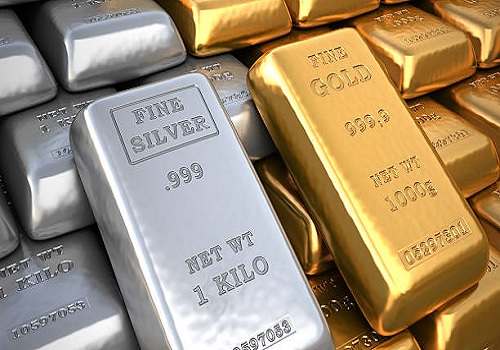
Wealth creation is a goal that spans generations, and smart investing plays a central role in achieving it. While traditional avenues like equities, real estate, and fixed deposits are popular, precious metals such as gold, silver, platinum, and palladium offer unique advantages for long-term wealth accumulation. These metals have intrinsic value, act as a hedge against inflation, and provide portfolio diversification in uncertain economic times.
Why Invest in Precious Metals?
Hedge Against Inflation: Precious metals historically retain value even when paper currencies weaken. Gold and silver, in particular, tend to rise during periods of high inflation, preserving purchasing power.
Safe Haven in Economic Uncertainty: In times of geopolitical tension, market volatility, or currency devaluation, investors often flock to precious metals for safety. Their value is less tied to corporate earnings or economic cycles, making them relatively stable.
Diversification: Adding precious metals to an investment portfolio reduces overall risk. Unlike equities or bonds, metals often have low correlation with traditional asset classes, providing balance during market swings.
Liquidity: Precious metals are highly liquid. Gold, for instance, can be easily sold in local markets, banks, or online platforms. Silver, platinum, and palladium also enjoy robust demand, particularly in industrial applications.
Ways to Invest in Precious Metals
Physical Bullion and Coins: Buying gold, silver, or platinum bars and coins gives direct ownership. Ensure purity certification and safe storage in bank lockers or secure vaults.
Exchange-Traded Funds (ETFs): Gold or silver ETFs allow investors to hold precious metals in a paper form without physical storage concerns. These funds track metal prices and can be traded like stocks.
Sovereign Gold Bonds (SGBs): Issued by governments, SGBs pay interest and appreciate with gold prices. They combine the benefits of returns from both interest and capital gains.
Mining Stocks and Funds: Investing in companies involved in mining metals provides leveraged exposure to metal prices. However, these are influenced by company performance and market factors.
Digital Gold Platforms: Many fintech platforms now allow fractional investments in gold, offering convenience, liquidity, and secure storage.
Strategies for Wealth Creation
Long-Term Holding: Precious metals are best suited for long-term wealth accumulation. Avoid short-term speculation; focus on holding metals across economic cycles.
Regular Investment: Systematic accumulation through monthly purchases or SIP-like plans in gold ETFs or digital gold can average out price volatility.
Diversified Metal Portfolio: While gold is the most popular, adding silver, platinum, or palladium can enhance growth potential and diversify risk. Each metal responds differently to economic trends.
Monitor Macroeconomic Trends: Interest rates, inflation, currency strength, and geopolitical events influence metal prices. Staying informed helps make timely allocation decisions.
Risks to Consider
While precious metals are generally safe, they are not free from risks:
Price Volatility: Metal prices can fluctuate significantly in the short term.
Storage and Security Costs: Physical metals require secure storage, adding to the cost of investment.
No Regular Income: Unlike stocks or bonds, metals do not generate dividends or interest, except in the case of bonds like SGBs.
Conclusion
Investing in precious metals can be a cornerstone of long-term wealth creation. By acting as a hedge against inflation, providing diversification, and maintaining intrinsic value, metals offer stability and growth potential. Whether through physical holdings, ETFs, bonds, or mining equities, consistent and informed investment in precious metals can build wealth steadily over time.