Virupaksha Temple: The Timeless Spiritual Heart of Hampi
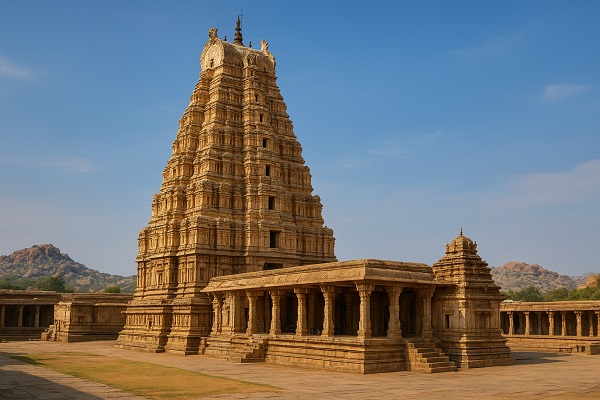
Nestled in the historic town of Hampi, Karnataka, the Virupaksha Temple stands as one of the most iconic and oldest functioning temples in India. Dedicated to Lord Shiva in his form as Virupaksha, this temple has been a significant religious, cultural, and architectural landmark for centuries, attracting pilgrims, history buffs, and tourists from all over the world.
Historical and Cultural Significance
The origins of the Virupaksha Temple date back to the 7th century CE, making it one of the oldest active temples in South India. It gained prominence as the religious center of the Vijayanagara Empire, which flourished between the 14th and 16th centuries. Despite invasions and destruction around Hampi, the Virupaksha Temple remained intact and continues to be an active place of worship.
Architectural Grandeur
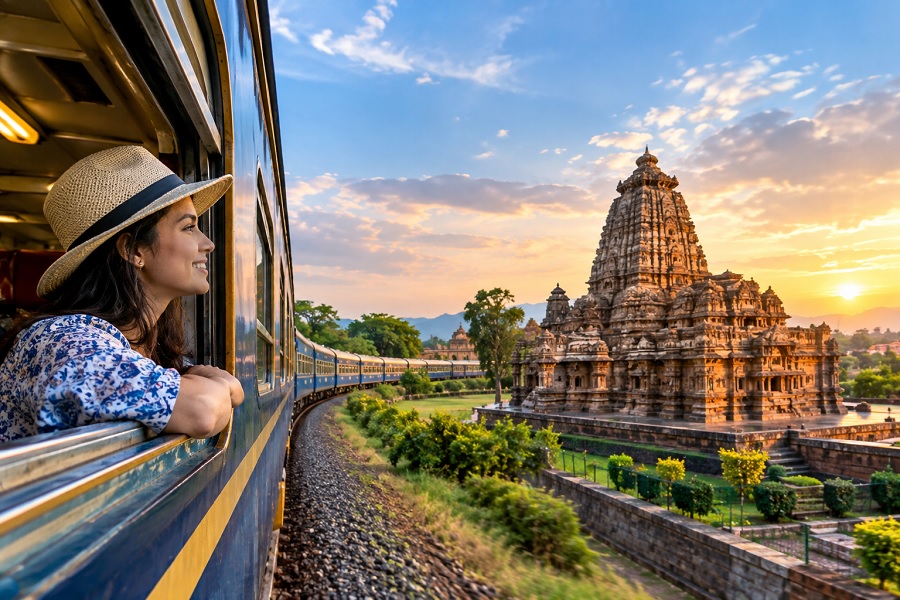
The temple’s architecture is a spectacular example of the Vijayanagara style, characterized by its intricately carved pillars, towering gopuram (gateway tower), and expansive courtyards. The 50-meter-high eastern gopuram welcomes visitors with its detailed sculptures depicting gods, goddesses, and mythical creatures. The temple complex also includes smaller shrines, a pillared hall, and a large water tank used for rituals.
Spiritual Experience
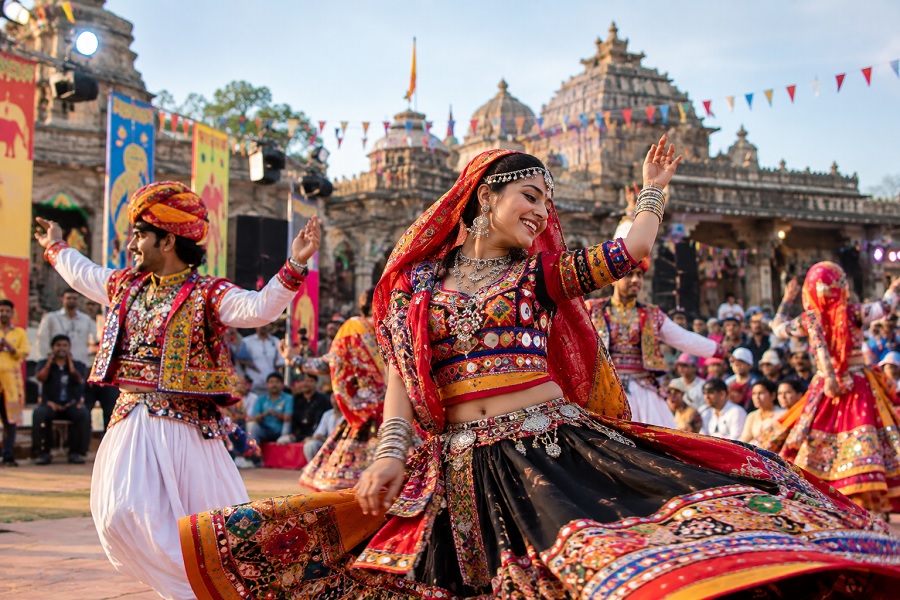
Virupaksha Temple is not only a historical monument but a vibrant spiritual center. Daily rituals and annual festivals, including the famous Pampapathi festival and the Virupaksha Car Festival, attract thousands of devotees. The temple’s serene atmosphere, combined with the backdrop of the rocky hills of Hampi, offers a deeply immersive spiritual experience.
Visiting Tips
Best time to visit: Early mornings or during festival times for the full experience
Dress modestly and respectfully as it is an active place of worship
Hire a local guide to fully appreciate the temple’s history and symbolism
Nearby attractions include Hampi Bazaar and the Tungabhadra River
Conclusion
The Virupaksha Temple is more than just a monument; it is a living testament to India’s rich religious heritage, architectural brilliance, and the enduring spirit of devotion. A visit here is a journey into the heart of South Indian culture and spirituality.