Union Budget 2026: Agriculture Sector at Crossroads — Key Turning Points Unveiled

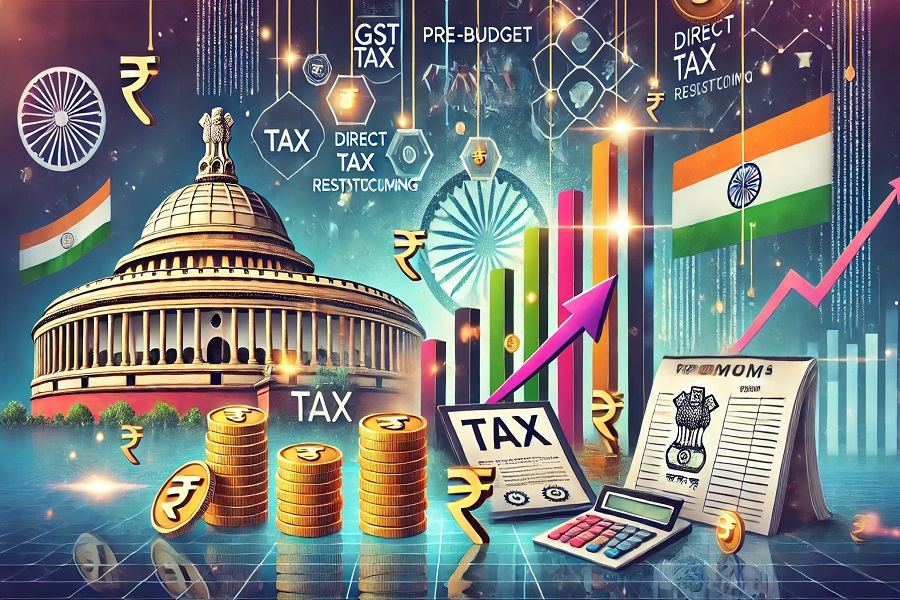
India’s Union Budget 2026–27, presented by Finance Minister Nirmala Sitharaman on 1 February 2026, is emerging as a critical inflection point for the agriculture sector. At a time when farmers’ incomes, climate risks and global market pressures are central concerns, policymakers appear poised to frame the Budget as a strategic pivot from welfare support to growth-led, resilient agriculture. Analysts say these changes could reshape how farming contributes to India’s economic and food security objectives.
Reframing Agriculture as an Economic Growth Engine
A major narrative around Budget 2026 is its potential to transition Indian agriculture from a traditional welfare-oriented model to one that aligns with broader economic growth goals. While agriculture accounts for a significant portion of employment and livelihoods in India, chronic productivity constraints and market fragmentation have limited its contribution to GDP growth. Experts believe the Budget must emphasise structural reforms — moving beyond subsidies toward value-addition, market integration and innovation — to truly unlock sector potential.
Climate-Smart Growth and Technological Integration
With erratic weather patterns increasingly threatening yields, there is strong advocacy for climate-resilient agriculture in Budget 2026. Stakeholders expect initiatives that promote efficient water use, precision farming, climate-adapted seeds and greater use of technology on the field. India’s Economic Survey highlighted the need for reforms in water, soil and climate management to sustain agricultural productivity in coming years.
This aligns with calls for expanding digital agricultural infrastructure — including AI-powered advisory systems, real-time crop intelligence and integrated data platforms — to improve farm decision-making and support farmers beyond traditional input systems.
Enhanced Focus on Farm Income and Market Support
Another anticipated turning point in the Budget is strengthened support for farmer incomes and market structures. As farmers face rising costs of inputs and lower margins, proposals around expanding credit flow, strengthening price support mechanisms and reducing input costs are gaining traction. Public discourse ahead of Budget 2026 indicates that farmers’ expectations span enhancements in agricultural credit, better market linkages and reform of input subsidies to reward efficiency over consumption.
India’s agricultural output has shown resilience in recent years, but surpluses in major staples like rice and maize also raise questions about storage, price realisation and value addition — gaps that Budget 2026 may seek to address through targeted policy responses.
Self-Reliance and Strategic Crop Missions
Policy watchers highlight that Budget 2026 could reinforce missions aimed at self-reliance in critical agricultural products. Existing schemes such as the National Mission on Edible Oils–Oilseeds (NMEO-Oilseeds) and Aatmanirbharta in Pulses Mission could see renewed emphasis and funding in the Budget, aimed at reducing dependency on imports and enhancing domestic capacity. India’s import dependency on edible oils — currently around 60% — makes such measures strategic for long-term food security.
Infrastructure, Storage and Logistics Upgrades
Despite progress in agricultural production, infrastructure bottlenecks — especially in storage and supply chains — continue to constrain farmers’ earnings. Analysts suggest that Budget 2026 will likely prioritise investments in warehouses, cold chains and agri-logistics networks to minimise post-harvest losses and improve market access. Strengthening infrastructure could also facilitate better integration of small farmers into formal markets and improve competitiveness.
Crop Protection and Regulatory Reforms
A less widely discussed but pivotal aspect expected in the Budget is the recognition of modern crop protection products and smart regulatory frameworks. Farmers and industry representatives are advocating for rationalisation of GST on crop protection inputs and support for regulatory capacity to encourage innovation, ensuring farmers have access to safe and effective tools for productivity improvement.
Looking Ahead: A Sector at the Threshold of Transformation
As Parliament deliberates Budget 2026, the agriculture sector stands at a policy crossroads. Through its focus on technology, climate resilience, market reforms and income support, the Budget could mark a significant turning point — one that seeks to balance immediate needs with long-term sustainability and economic contribution.
If these reforms materialise as anticipated, Budget 2026 may be remembered as a phase where Indian agriculture began a transition from traditional models to a more competitive, resilient and growth-oriented future.