Union Budget 2026: Atmanirbhar Bharat Gains New Momentum — Key Turning Points Unveiled

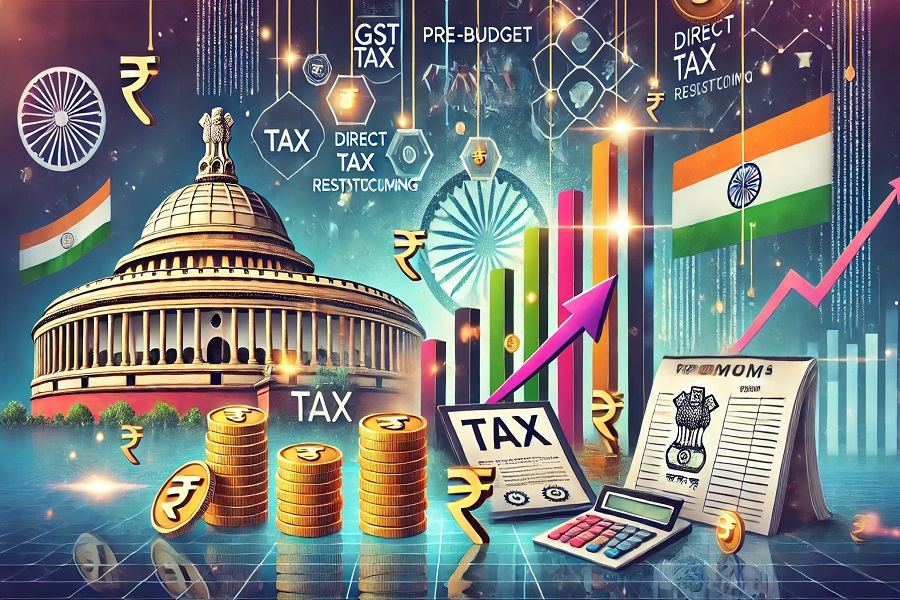
India’s Union Budget 2026–27, presented by Finance Minister Nirmala Sitharaman on 1 February 2026, marks a strategic inflection point for the government’s Atmanirbhar Bharat (self-reliant India) agenda. As the economy navigates global uncertainty, inflationary pressures and competitive geopolitical shifts, policymakers have focused on deepening self-reliance across critical sectors — from manufacturing and technology to energy and exports — signalling a broader shift from piecemeal incentives to systemic transformation.
The Atmanirbhar Bharat initiative, initially introduced as a multi-sector strategy to reduce import dependencies and promote indigenous capacity, now finds new expression in Budget 2026 through policy realignment, incentive continuity, and targeted reforms intended to make self-reliance a sustainable economic driver. Analysts describe these directions as key turning points that could define India’s domestic strength and global competitiveness for years to come.
1. Shift from Fragmented Support to Outcome-oriented Self-Reliance
A major turning point in Budget 2026 is the transition from ad-hoc subsidies and support schemes toward a value-addition and capacity-building approach underpinning Atmanirbhar Bharat across sectors. Industry sources highlight that the Budget is expected to prioritise policies that enhance self-reliance by embedding incentives within long-term frameworks for growth, innovation and export competitiveness — rather than short-term relief measures alone.
This approach aligns with broader policy goals emphasised by economists and business stakeholders, who have called for clarity, continuity and capacity building to unlock India’s full economic potential — especially in manufacturing and strategic industries.
2. Boost to Domestic Manufacturing and Strategic Sectors
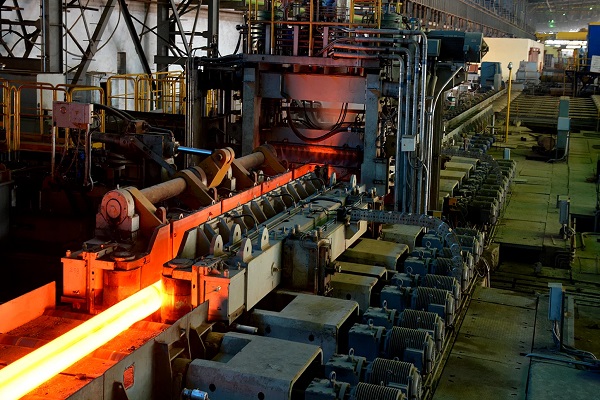
Budget 2026 is widely anticipated to reinforce support for domestic manufacturing — a core plank of the Atmanirbhar Bharat vision. Measures expected in the Budget include enhanced incentives for production, expanded coverage of Production Linked Incentive (PLI) schemes, and improved access to credit and technology adoption, especially for small and medium enterprises. These reforms are seen as turning points that could propel India toward deeper value-chain integration and reduce import dependence in key sectors like electronics, auto components and pharmaceuticals.
The government’s emphasis on value addition over assembly reflects a strategic effort to shift India up the global industrial ladder, attracting investment and catalysing exports — a theme underscored repeatedly by industry bodies throughout the pre-Budget period.
3. Encouraging Strategic Self-Reliance in Energy and Critical Minerals
Another significant turning point in the Budget narrative is the emphasis on energy independence and critical mineral value chains. Recent government policy moves, such as designating coking coal as a strategic mineral to support the steel sector, illustrate an emerging focus on securing domestic supply chains for foundational inputs.
Budget 2026 is expected to build on this momentum by framing fiscal and regulatory incentives that encourage local production of essential energy resources and related industrial inputs. This shift underscores a broader ambition to reduce exposure to external shocks while strengthening India’s industrial base.
4. Financial and Institutional Support for Innovation Ecosystems
The Budget’s turn toward self-reliance also encompasses innovation and research ecosystems. With global competition intensifying in areas like artificial intelligence, deep tech and digital infrastructure, policymakers are expected to emphasise R&D funding, incubation support, and ecosystem-level interventions that anchor innovation within India’s economic strategy.
Analysts note that integrating innovation support into self-reliance goals — particularly for tech-led sectors — represents a significant shift from traditional industrial policy to one geared toward sustainable competitive advantage.
5. Export Orientation and Global Integration
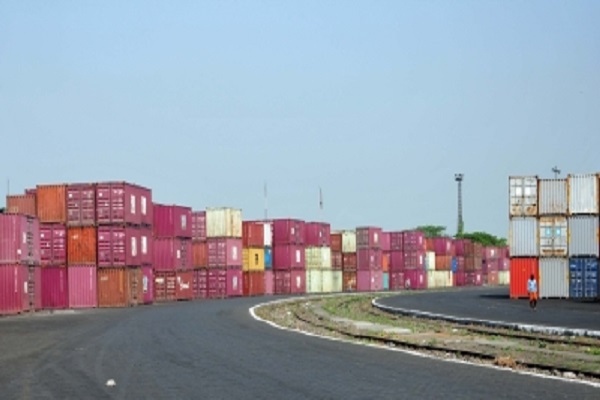
While Atmanirbhar Bharat priorities often focus on domestic capacity, Budget 2026 appears poised to reinforce export facilitation and global integration as part of self-reliance. Streamlining export procedures, enhancing market access and ensuring predictable policy regimes are expected to feature prominently, helping Indian firms compete effectively in global markets and integrate into international value chains.
This marks a turning point from inward-looking protection to outward-oriented competitiveness — a strategic posture that balances self-reliance with global engagement.
6. Inclusive Support for MSMEs and Rural Enterprises
Small businesses and rural enterprises are central to the Atmanirbhar Bharat agenda. Budget 2026 is expected to strengthen access to credit, simplify compliance, and provide capacity-building support to MSMEs, artisans and rural entrepreneurs — helping them participate more fully in formal markets and growth opportunities.
These measures are anticipated to enhance economic participation across geographies, ensuring that self-reliance extends beyond headline industrial sectors to the grassroots economy.
Looking Ahead
As Budget 2026 unfolds in Parliament, the Atmanirbhar Bharat theme is set to be a defining narrative — one that goes beyond slogans to embed structural reforms and strategic investments. By aligning fiscal policy with deep-seated economic objectives like competitiveness, innovation, and export readiness, the Budget could mark a decisive turning point in the journey toward a truly self-reliant India.
With global economic uncertainties and shifting supply-chain dynamics, these policy directions may well shape India’s economic performance and growth trajectory over the next decade while laying the groundwork for a more resilient and globally integrated economy.