Union Budget 2026: Taxation Reforms Signal Strategic Turning Points for Growth and Fairness
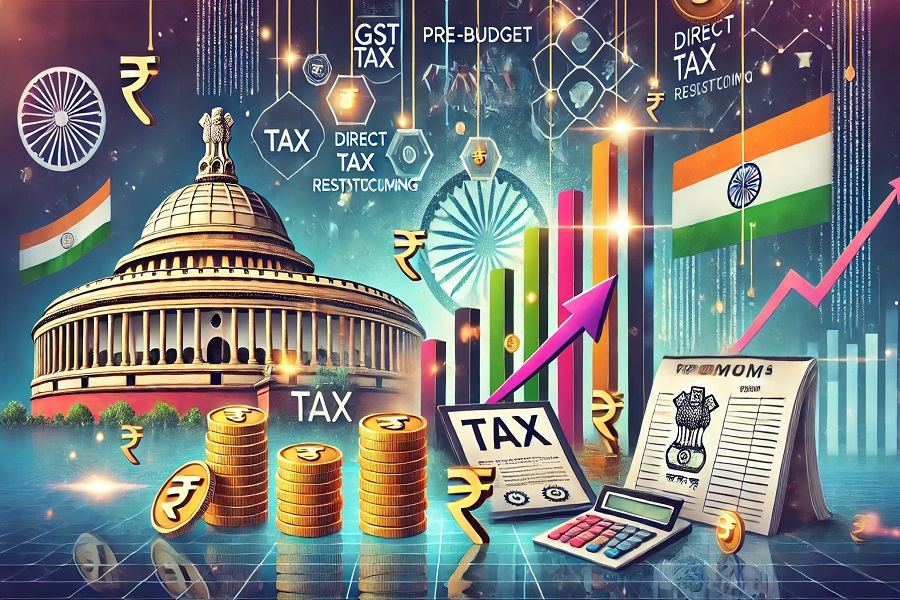
India’s Union Budget 2026–27, presented by Finance Minister Nirmala Sitharaman on 1 February 2026, is shaping up to be a milestone for the country’s tax regime, with several reforms expected to introduce structural clarity, boost taxpayer relief and enhance economic competitiveness. The changes, both in direct and indirect taxes, are being widely discussed as key turning points in how the nation approaches taxation in an increasingly complex global and domestic environment.
A New Era with the Income-Tax Act, 2025
One of the most significant developments underpinning the Budget is the implementation of the Income-Tax Act, 2025, which will come into force from 1 April 2026. This new legal framework replaces the six-decade-old Income Tax Act of 1961 and aims to simplify India’s direct tax laws by reducing complexity, modernising language, and consolidating provisions. The Act shrinks the number of sections significantly and eliminates cumbersome clauses, which is expected to make compliance easier and reduce litigation.
Tax experts describe this overhaul as a foundational turning point that could reshape taxpayer interaction with the system, enhance clarity and improve ease of doing business — key ingredients for boosting both domestic investment and foreign capital inflows.
Personal Income Tax: Relief and Rationalisation
For individual taxpayers, especially the middle class, Budget 2026 carries high expectations of relief. Proposals discussed ahead of the Budget include rationalising the highest tax bracket under the new regime, potentially shifting the 30 % rate to apply only above higher income thresholds — a move seen as encouraging for upper-middle-income earners. Other demands include increasing the standard deduction to ?1 lakh, raising exemptions on home-loan interest and savings account interest, and expanding deductions under Section 80C. Together, such changes could significantly reduce the personal tax burden and boost disposable income.
The Budget is also expected to enhance relief for professionals and senior citizens, addressing long-standing concerns about tax equity. With direct taxes contributing a major share of government revenues, balancing relief with fiscal prudence remains a key challenge for policymakers.
Simplifying Compliance and Enhancing Tax Certainty
Beyond rates and exemptions, Budget 2026 is poised to emphasise tax certainty and compliance simplicity. The new tax law and associated reforms aim to reduce ambiguity and disputes that have long plagued both individuals and corporations. Proposed measures include restricting prosecution to cases of deliberate evasion and fraud, expanding the scope of updated tax returns from two to four years, and limiting discretionary powers that previously led to litigation. These changes are expected to foster a more predictable tax environment, encouraging voluntary compliance and reducing litigation costs.
Industry bodies such as EY India and FICCI have urged the government to further clarify international tax norms, streamline withholding tax provisions and enhance investor certainty — all of which are critical for attracting global capital in a competitive tax landscape.
Indirect Taxation: GST and Compliance Ease
On the indirect tax front, expectations are centred around GST simplification and reducing compliance burdens. One key proposal under discussion is removing Tax Deducted at Source (TDS) and Tax Collected at Source (TCS) on transactions already subject to GST, thereby eliminating dual compliance and freeing up working capital for businesses. Refining the place of supply rules for intermediary services is also anticipated, which would align India’s GST framework with global standards and benefit service exporters.
Refund mechanisms for small exporters and adjustments to address inverted duty structures are also expected to feature in the Budget discussions, aiming to strengthen India’s trade competitiveness and support MSMEs.
Capital Gains and Investment Incentives
Another area drawing attention is capital gains tax reform. While the current regime lowered LTCG tax rates and broadened exemptions in previous years, stakeholders are pushing for further refinement to encourage long-term market participation. Enhancing the exemption threshold for listed securities and simplifying holding period criteria are seen as steps that could deepen retail investor engagement in equity markets.
Looking Ahead
As India navigates domestic and global economic uncertainties, the taxation components of Budget 2026 are being viewed as pivotal. By balancing taxpayer relief, simplification of laws, and structural reforms, the government aims to boost consumption, attract investment, and ensure a fair, transparent tax system. Experts believe that if these reforms materialise as anticipated, Budget 2026 may well be remembered as a turning point that reshaped India’s tax landscape for the next decade.