Union Budget 2026 Signals Major Shift in Social Welfare Strategy

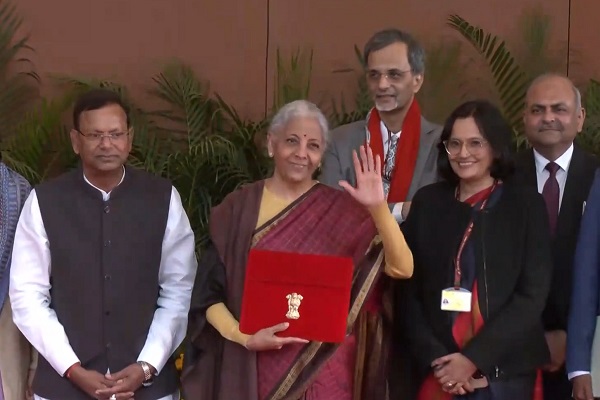
New Delhi: The Union Budget 2026–27, presented by Finance Minister Nirmala Sitharaman on 1 February 2026, signals a strategic inflection point in India’s social welfare agenda. Beyond routine allocations, the Budget emphasises long-term empowerment, inclusive development and targeted support for vulnerable communities — marking a shift from traditional welfare outlays toward outcome-oriented social policy.
As Parliament debated the Budget, analysts highlighted that the social sector — spanning health, education, tribal welfare and early childhood care — is poised for structural enhancements that could transform service delivery and human development across the country.
Targeted Support for Vulnerable Groups
One of the most notable features of Budget 2026 is its emphasis on vulnerable and marginalised communities, especially tribal populations. The Budget includes plans to establish health observatories in eight states to monitor and eliminate endemic diseases, a move aimed at improving preventive care and reducing regional health disparities. Additionally, community-managed tribal crèches and sports hubs in schools are expected to enhance early childhood care, nutrition and youth development in tribal regions — initiatives that integrate health and education support with community empowerment.
These measures reflect a broader commitment to inclusive growth that goes beyond cash transfers and welfare handouts, focusing instead on building human capital and resilience among historically underserved groups.
Strengthening Health and Preventive Services
Healthcare remains a core pillar of the social welfare framework. Ahead of the Budget, experts emphasized the need to pivot India’s health policy from episodic treatment to comprehensive preventive care and strengthened public health infrastructure. This includes bolstering primary health centres, enhancing insurance coverage and better financing for public health programmes.
With rising medical inflation and evolving health risks, these reforms aim to make healthcare access more equitable and affordable. The Budget is expected to support expansion of wellness centres and nutritional support initiatives, crucial for improving long-term health outcomes for low-income families.
Education and Human Capital Development
Investment in education continues to be a central component of social welfare spending, with the Budget likely to prioritise digital and foundational learning infrastructure. While specifics of allocations will only be clear once the official Budget documents are released, pre-budget discussions underscored the importance of educational equity and preparing India’s youth for a rapidly changing job market.
Access to quality education — from primary schooling to technical training — is viewed as a critical turning point in equipping the nation’s demographic dividend for future economic participation.
Empowerment Through Financial Inclusion and Livelihoods
In parallel with sectoral reforms, the Budget narrative hints at a broader rethinking of welfare strategies that go beyond unconditional cash transfers — a system the Economic Survey 2026 noted may not deliver durable gains in nutrition or human development if left unchecked. Instead, policymakers are looking at more conditional, outcome-linked welfare programmes that encourage participation in the formal economy and improve long-term livelihood opportunities.
This approach seeks to balance immediate relief with sustainable social investment, ensuring fiscal responsibility while empowering beneficiaries.
Rural Employment and Livelihood Security
Although not part of the Budget speech itself, the recent Viksit Bharat–Guarantee for Rozgar and Ajeevika Mission (Gramin) Act, 2025 provides context for social welfare reforms likely to influence Budget 2026 outcomes. The Act guarantees increased days of wage employment for rural households and modernises rural livelihood frameworks — a shift from the older Mahatma Gandhi National Rural Employment Guarantee Act (MGNREGA) to a more outcome-driven statutory model.
This legislative backdrop reinforces the Budget’s potential turning point in rural social welfare: linking employment opportunities with livelihood security in line with long-term development goals.
Looking Ahead
Budget 2026’s focus on strategic reforms in social welfare — especially for tribal communities, healthcare, education and livelihoods — signals a broader shift in how the government views social policy. Rather than viewing welfare as a series of stand-alone schemes, the Budget appears set to integrate social welfare with economic empowerment, resilience and human capital development.
If implemented effectively, these initiatives could mark a significant turning point in India’s social welfare trajectory, fostering inclusive growth and improving the quality of life for millions of citizens in the decade ahead.