India Faces Record March Heat Threatening Rabi Crops by Amit Gupta, Kedia Advisory

India is expected to experience one of its warmest Marches on record, with temperatures in major wheat and rapeseed-producing states projected to rise up to 7°C above normal. The heat wave threatens crop yields during the crucial grain-filling stage, raising concerns over production targets for 2026. These states contribute over 80% of national wheat and rapeseed output. While record acreage had raised hopes of bumper harvests, elevated temperatures could trim yields significantly. The development also risks boosting electricity demand as temperatures approach 40°C by month-end, reviving concerns similar to 2022 when heat forced India to impose a wheat export ban.
Key Highlights
• March temperatures may rise 7°C above normal
• Key wheat and rapeseed belts most affected
• Heat threatens grain-filling and maturity stages
• Over 80% of output concentrated in risk zones
• Electricity demand likely to surge sharply
India is bracing for an unusually hot March, with early forecasts suggesting temperatures could rank among the highest ever recorded for the month. According to officials at the India Meteorological Department (IMD), both maximum and minimum temperatures across northern and north-western states are expected to remain significantly above average.
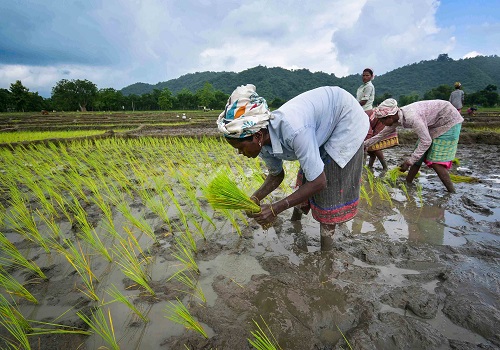
The projected heat comes at a sensitive time for winter-sown, or rabi, crops. Wheat and rapeseed are currently in the grain-filling and maturity stages — phases that require relatively cool conditions to ensure optimal yield. Temperatures in Punjab, Haryana, Rajasthan, Uttar Pradesh, and parts of Madhya Pradesh could climb as much as 7°C above normal. These regions together account for more than 80% of India’s wheat and rapeseed production.
India, the world’s second-largest wheat producer and a major edible oil importer, had been counting on record plantings this season to secure strong output in 2026. Farmers expanded acreage to historic highs, raising hopes of surplus wheat exports and reduced dependence on imported palm, soy, and sunflower oils. However, sustained heat stress during March could shrink grain size and cut overall yields.
The situation echoes 2022, when an unexpected heatwave forced the government to ban wheat exports after production fell short of expectations. In addition to agricultural risks, rising temperatures are also likely to drive higher electricity demand as several states may see maximum readings exceeding 40°C by late March.
Finally, unseasonal heat in March could disrupt India’s crop outlook, pressure food supplies, and lift power demand, reviving memories of past heat-driven production setbacks.
Above views are of the author and not of the website kindly read disclaimer