Importance of Regular Checkups
Importance of Regular Checkups
In today’s fast-paced world, many people visit a doctor only when they feel sick. However, regular health checkups are one of the most important steps toward maintaining a healthy and long life. Preventive healthcare helps identify health problems early, often before symptoms appear, making treatment easier, faster, and less expensive.
Early Detection Saves Lives
Many serious diseases such as diabetes, high blood pressure, heart disease, and cancer may develop silently without obvious symptoms. Regular medical examinations can detect these conditions at an early stage. Early diagnosis increases the chances of successful treatment and reduces the risk of complications.
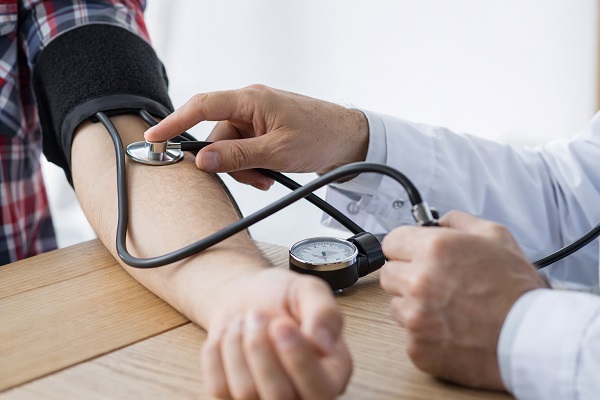
For example, routine blood pressure monitoring can help identify hypertension before it leads to heart attacks or strokes. Similarly, regular blood sugar tests can detect diabetes early and help individuals manage it effectively.
Prevention Is Better Than Cure
Health checkups are not only about finding diseases but also about preventing them. Doctors provide valuable advice on healthy eating, exercise, stress management, vaccinations, and lifestyle improvements. These preventive measures help reduce the risk of chronic illnesses and improve overall well-being.
Regular screenings such as cholesterol tests, eye exams, dental checkups, and cancer screenings can prevent small issues from becoming serious health concerns.
Improves Mental and Emotional Health
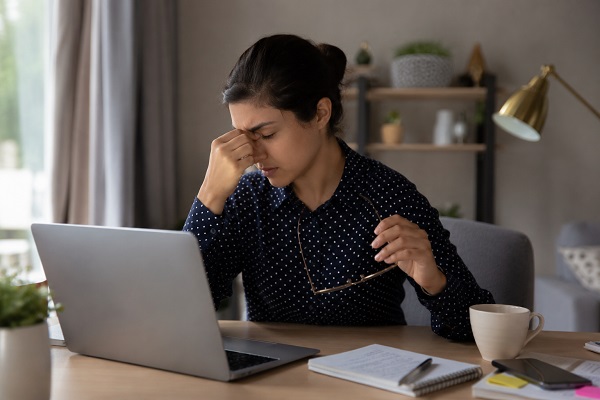
Regular checkups also support mental health. Many people struggle with stress, anxiety, depression, or sleep disorders without seeking help. During routine visits, healthcare professionals can identify emotional or psychological concerns and recommend proper support or treatment.
Good mental health is equally important as physical health for leading a balanced life.
Reduces Healthcare Costs
Treating diseases in advanced stages can be expensive and time-consuming. Preventive healthcare helps reduce medical expenses by catching health problems early. Routine checkups can avoid emergency treatments, hospital stays, and major surgeries in the future.
Investing in regular health examinations today can save both money and stress later.
Encourages a Healthy Lifestyle
People who attend regular medical checkups are more likely to stay motivated about their health. They become more aware of their body, fitness levels, nutrition, and daily habits. Doctors can guide individuals toward healthier choices and help track progress over time.
This creates a sense of responsibility and encourages long-term healthy living.
Essential for Every Age Group
Regular checkups are important for children, adults, and senior citizens alike. Children need vaccinations and growth monitoring, adults require screenings for lifestyle diseases, and older adults benefit from monitoring age-related conditions.
Each stage of life comes with unique health needs, and routine medical care ensures those needs are properly addressed.
Conclusion
Regular health checkups play a vital role in disease prevention, early detection, and overall wellness. They help individuals stay informed about their health and make better lifestyle decisions. Instead of waiting for symptoms to appear, taking proactive steps through routine examinations can lead to a healthier, happier, and longer life.
Making regular checkups a habit is not just a medical responsibility — it is an investment in your future well-being.