How Smart Cars Are Redefining Everyday Driving
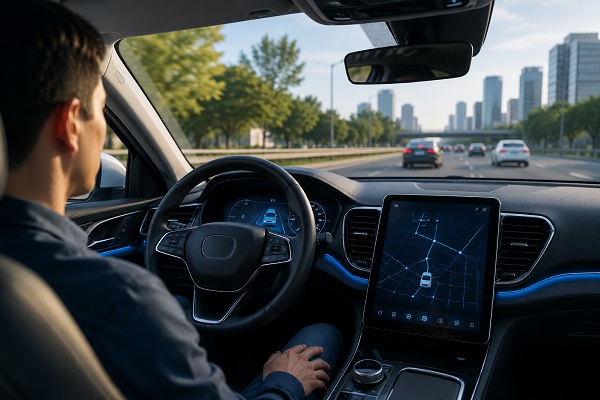
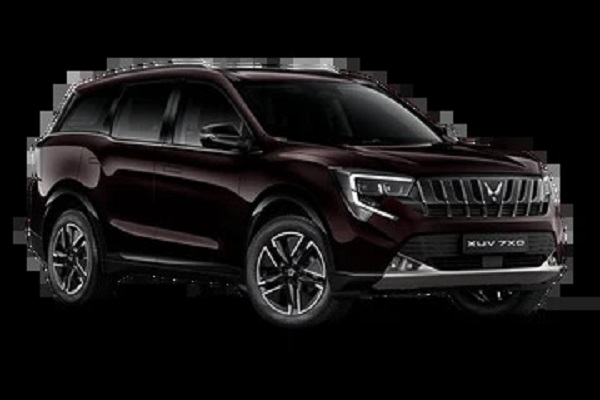
The automobile industry is undergoing one of its biggest transformations since the invention of the internal combustion engine. Today's vehicles are no longer just machines that transport people from one place to another-they have evolved into intelligent, connected companions equipped with advanced technologies that enhance safety, convenience, comfort, and efficiency.
From voice-controlled infotainment systems and connected navigation to driver assistance features and over-the-air software updates, smart cars are redefining what it means to drive. As technology continues to advance, these intelligent vehicles are making everyday driving safer, more enjoyable, and increasingly personalized.
What Is a Smart Car?
A smart car is a vehicle equipped with advanced digital technologies, sensors, artificial intelligence (AI), internet connectivity, and software that work together to improve the driving experience. Unlike traditional cars, smart vehicles can communicate with smartphones, cloud services, and sometimes even other vehicles and road infrastructure.
These features allow smart cars to provide real-time information, automate certain driving tasks, and continuously improve through software updates.
Connected Technology at Your Fingertips
One of the defining features of smart cars is seamless connectivity. Modern vehicles can sync with smartphones, allowing drivers to access navigation, music, contacts, and messages directly from the infotainment system.
Features commonly found in smart cars include:
* Wireless Android Auto and Apple CarPlay
* Voice-controlled assistants
* Real-time traffic updates
* Cloud-based navigation
* Remote vehicle monitoring
* Smartphone-based locking and unlocking
These technologies reduce distractions while keeping drivers connected throughout their journey.
Advanced Driver Assistance Systems (ADAS)
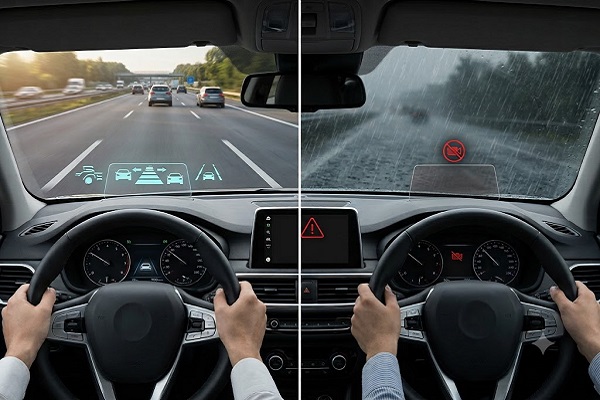
Safety has become one of the biggest advantages of smart cars. Advanced Driver Assistance Systems (ADAS) use cameras, radar, and sensors to help drivers avoid accidents.
Popular ADAS features include:
* Adaptive Cruise Control
* Lane Keep Assist
* Blind Spot Monitoring
* Automatic Emergency Braking
* Forward Collision Warning
* Rear Cross Traffic Alert
* Driver Attention Monitoring
These systems don't replace the driver but provide additional support, helping reduce human error on the road.
Artificial Intelligence Behind the Wheel
Artificial intelligence plays an increasingly important role in modern vehicles. AI can learn driver preferences and adjust settings automatically.
Examples include:
* Personalized seat and mirror positions
* Climate control based on usage patterns
* Predictive navigation
* Voice recognition that understands natural speech
* Smart maintenance reminders
The more a vehicle is driven, the better it can adapt to the owner's habits.
Over-the-Air Software Updates
Traditionally, new vehicle features required a visit to the service center. Smart cars can now receive software updates wirelessly, similar to smartphones.
Benefits include:
* Bug fixes
* Improved vehicle performance
* Enhanced safety systems
* New infotainment features
* Battery optimization for electric vehicles
This allows manufacturers to continuously improve the vehicle even after purchase.
Smarter Navigation
Navigation systems have become far more intelligent than simple GPS devices.
Today's smart navigation can:
* Suggest faster routes using live traffic data.
* Recommend charging stations for EVs.
* Warn about road closures.
* Display nearby fuel stations and restaurants.
* Estimate arrival time more accurately.
Some systems even learn frequently traveled routes and provide proactive suggestions.
Enhanced Parking Assistance
Parking is becoming easier with intelligent technologies such as:
* 360-degree cameras
* Automatic parking assist
* Front and rear parking sensors
* Surround-view monitoring
* Reverse collision warnings
These features help reduce stress, especially in crowded urban environments.
Smart Cars and Electric Mobility
Electric vehicles have accelerated the growth of smart technologies. Most EVs are designed around software and digital connectivity.
Smart EV features include:
* Battery health monitoring
* Remote charging control
* Charging station navigation
* Energy usage analysis
* Driving range prediction
* Scheduled charging during off-peak hours
These capabilities help drivers maximize efficiency and convenience.
Improved Fuel Efficiency
Smart systems help improve fuel economy by monitoring driving behavior and optimizing vehicle performance.
Examples include:
* Eco driving modes
* Real-time fuel consumption data
* Intelligent transmission management
* Start-stop technology
* Predictive energy management
Drivers receive useful feedback that encourages smoother and more efficient driving habits.
Entertainment on the Move
Modern infotainment systems have transformed the cabin experience.
Common features include:
* Large touchscreen displays
* Premium sound systems
* Wireless smartphone charging
* Multiple USB-C ports
* Voice commands
* Internet connectivity
*Streaming services
Passengers enjoy a more connected and comfortable journey, particularly during long trips.
Vehicle Health Monitoring
Smart cars continuously monitor their own condition.
Drivers receive alerts about:
* Low tyre pressure
* Oil life
* Battery condition
* Brake wear
* Engine diagnostics
* Scheduled maintenance
Early notifications help prevent breakdowns and reduce repair costs.
Better Security
Security features have also become smarter.
Many vehicles now offer:
* Remote vehicle tracking
* Digital keys
* Engine immobilizers
* Anti-theft alerts
* Geo-fencing
* SOS emergency assistance
These technologies improve vehicle protection while giving owners greater peace of mind.
Challenges of Smart Cars
Despite their many benefits, smart cars also present certain challenges.
Some concerns include:
* Higher purchase cost
* Expensive repairs for advanced electronics
* Cybersecurity risks
* Dependence on software updates
* Learning curve for new users
Manufacturers continue to improve security and reliability as these technologies become more widespread.
The Road Ahead
The future of smart cars is expected to include:
* Greater AI integration
* Vehicle-to-Vehicle (V2V) communication
* Vehicle-to-Infrastructure (V2I) connectivity
* Higher levels of autonomous driving
* Smarter energy management
* Personalized digital driving experiences
As 5G networks expand and software capabilities improve, vehicles will become even more intelligent and interconnected.
Conclusion
Smart cars are transforming everyday driving by combining connectivity, artificial intelligence, advanced safety systems, and intelligent automation into a seamless driving experience. Whether it's avoiding traffic, assisting with parking, improving fuel efficiency, or enhancing safety, these innovations are making roads smarter and journeys more enjoyable.
As automotive technology continues to evolve, smart cars will play a central role in shaping the future of mobility, offering drivers greater convenience, confidence, and control than ever before.