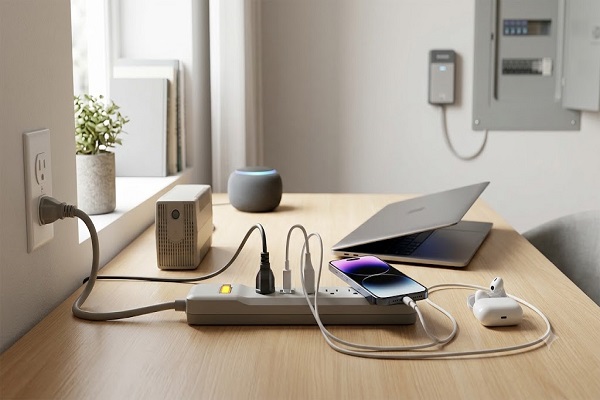
Smart Lights That Save Energy: A Smarter Way to Illuminate Your Home
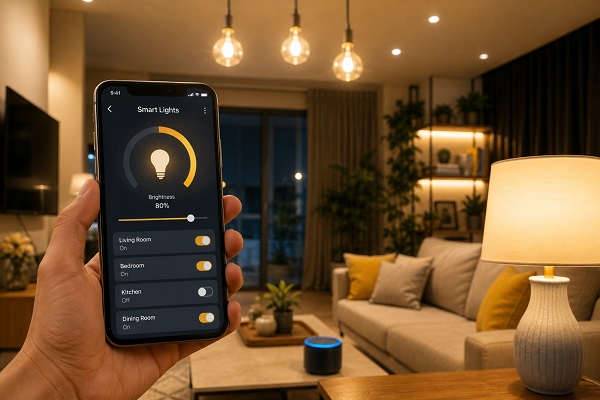
Smart lights are becoming a popular choice for modern homes, offering convenience while helping reduce electricity consumption. Unlike traditional bulbs, smart lighting systems can be controlled through a smartphone, voice assistant, or automated schedules, making it easier to use energy only when needed.
How Smart Lights Save Energy
One of the biggest advantages of smart lights is automation. You can schedule lights to turn off when no one is home or set them to switch on only during specific hours. Motion sensors also help by automatically turning lights on and off based on occupancy.
Most smart lights use LED technology, which consumes up to 80% less energy than traditional incandescent bulbs and lasts much longer.
Key Features
* Remote control through mobile apps
* Voice control with Google Assistant, Alexa, or Siri
* Brightness adjustment (dimming)
* Automatic scheduling and timers
* Motion detection for efficient usage
* Energy usage monitoring (available in some models)
Benefits
* Lower electricity bills
* Longer bulb lifespan
* Greater convenience
* Improved home security with scheduled lighting
* Eco-friendly and energy-efficient
* Things to Consider Before Buying
When choosing smart lights, check for compatibility with your smart home ecosystem, Wi-Fi connectivity, brightness levels, and energy ratings. Also, consider whether you need color-changing lights or simple white LEDs for everyday use.
Conclusion
Smart lights are a practical investment for anyone looking to save energy and make their home more efficient. With intelligent controls, LED technology, and automation features, they not only reduce electricity costs but also add comfort and convenience to daily life.