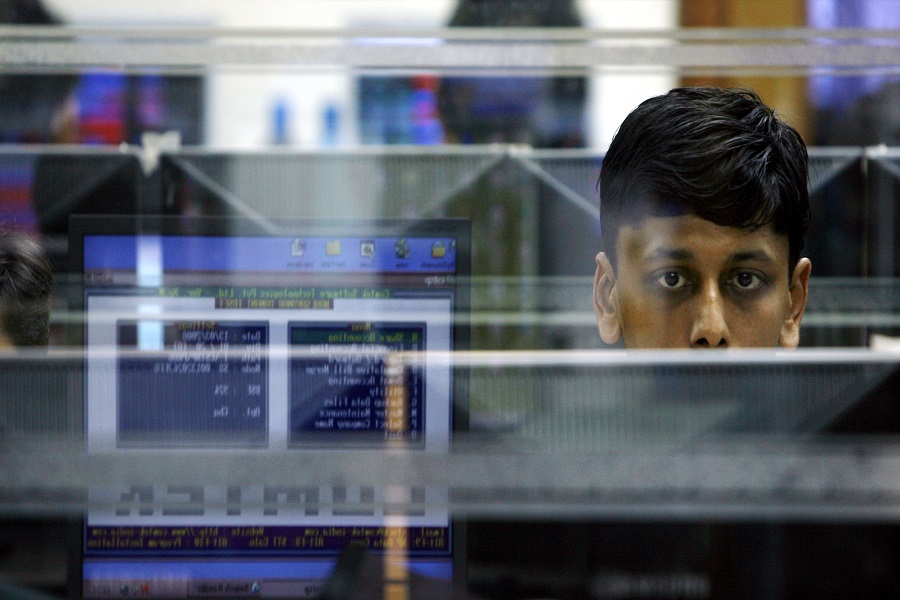
Managing Screen Time Effectively: Healthy Digital Habits for a Balanced Life

In today's digital world, screens are an essential part of everyday life. Whether it's working on a computer, attending online meetings, studying, scrolling through social media, or streaming entertainment, most people spend several hours each day in front of a screen. While technology has made life more convenient and productive, excessive screen time can affect physical health, mental well-being, sleep quality, and overall lifestyle.
Managing screen time doesn't mean avoiding technology altogether-it means using it mindfully and maintaining a healthy balance. By adopting smart digital habits, you can improve productivity, reduce stress, and protect your long-term health.
Why Screen Time Matters
Screens are now an unavoidable part of work, education, and entertainment. However, prolonged use without breaks can lead to problems such as:
* Eye strain and blurred vision
* Headaches
* Neck and shoulder pain
* Poor posture
* Reduced physical activity
* Sleep disturbances
* Mental fatigue
Recognizing these effects is the first step toward building healthier digital habits.
Know How Much Time You Spend on Screens
Many smartphones and computers now include built-in tools that show daily screen time usage.
Tracking your usage helps you:
* Identify time-consuming apps
* Understand daily habits
* Set realistic limits
* Improve productivity
Awareness often leads to better self-control.
Follow the 20-20-20 Rule
One of the simplest ways to reduce digital eye strain is the 20-20-20 rule.
Every 20 minutes, look at something 20 feet away for at least 20 seconds.
This allows your eye muscles to relax and helps reduce dryness and fatigue.
Take Regular Breaks
Sitting in front of a screen for long periods can affect both physical and mental health.
Every hour:
* Stand up and stretch.
* Walk around for a few minutes.
* Roll your shoulders and neck.
* Drink a glass of water.
Short breaks improve concentration and reduce fatigue.
Create Screen-Free Zones
Designating certain spaces or times as screen-free helps maintain balance.
Examples include:
* Dining table
* Bedroom
* Family gatherings
* During meals
* Before bedtime
These habits encourage better conversations and improve relationships.
Avoid Screens Before Sleeping
Blue light emitted by digital devices can interfere with the body's natural sleep cycle by reducing melatonin production.
Try to:
* Stop using screens 30–60 minutes before bed.
* Read a book instead.
* Practice meditation or light stretching.
* Keep phones away from your pillow.
Better sleep leads to improved focus and energy the next day.
Optimize Your Workspace
A comfortable workspace reduces strain during long working hours.
Maintain:
* Proper chair support
* Monitor at eye level
* Comfortable keyboard position
* Adequate lighting
* Correct viewing distance
Good ergonomics help prevent neck, back, and shoulder pain.
Reduce Digital Distractions
Constant notifications can interrupt focus and increase stress.
Simple strategies include:
* Turn off unnecessary notifications.
* Use "Do Not Disturb" mode while working.
* Keep only essential apps on the home screen.
* Schedule dedicated times to check social media.
This helps improve productivity and mental clarity.
Balance Online and Offline Activities
Technology should support your lifestyle-not replace real-life experiences.
Spend time on activities such as:
* Walking
* Exercise
* Reading
* Cooking
* Gardening
* Playing sports
* Meeting friends and family
Offline activities improve both physical and emotional well-being.
Practice Digital Mindfulness
Instead of using devices automatically whenever you're bored, ask yourself:
Why am I picking up my phone?
Is this necessary?
Could I spend this time differently?
Mindful technology use reduces unnecessary screen exposure.
Protect Your Eyes
Healthy eye habits include:
* Blink frequently.
* Adjust screen brightness to match your surroundings.
* Increase text size if needed.
* Keep screens clean.
* Use artificial tears if recommended by a doctor for persistent dryness.
Regular eye check-ups are also important, especially for people who spend long hours on digital devices.
Stay Physically Active
Long screen sessions often reduce movement throughout the day.
Aim to:
* Walk daily.
* Stretch every hour.
* Exercise for at least 30 minutes most days.
* Avoid sitting continuously for extended periods.
Physical activity improves posture, circulation, mood, and energy levels.
Encourage Healthy Screen Habits for Children
Parents can help children develop a balanced relationship with technology by:
* Setting reasonable screen limits.
* Encouraging outdoor play.
* Creating family screen-free time.
* Being good role models through their own habits.
Healthy routines developed early often continue into adulthood.
Technology Can Also Help
Ironically, technology itself can help manage screen time.
Useful tools include:
* Screen time reports
* Focus modes
* App timers
* Website blockers
* Productivity apps
* Reminder apps for breaks
These features support healthier digital routines without eliminating the benefits of technology.
Finding the Right Balance
Screen time is not inherently good or bad-it depends on how it is used. Productive work, online learning, creative projects, and meaningful communication are valuable uses of technology. The goal is to reduce unnecessary screen exposure while making time for rest, movement, and real-world interactions.
Conclusion
Managing screen time effectively is about creating healthy digital habits that support both productivity and well-being. Small changes-such as taking regular breaks, limiting screen use before bedtime, improving posture, and balancing online activities with offline experiences-can make a significant difference over time.
As technology continues to play an important role in our lives, using it mindfully allows us to enjoy its benefits while protecting our physical health, mental wellness, and overall quality of life.