Top Solo National Park Adventures for Nature Lovers
Solo National Park Adventures
Introduction
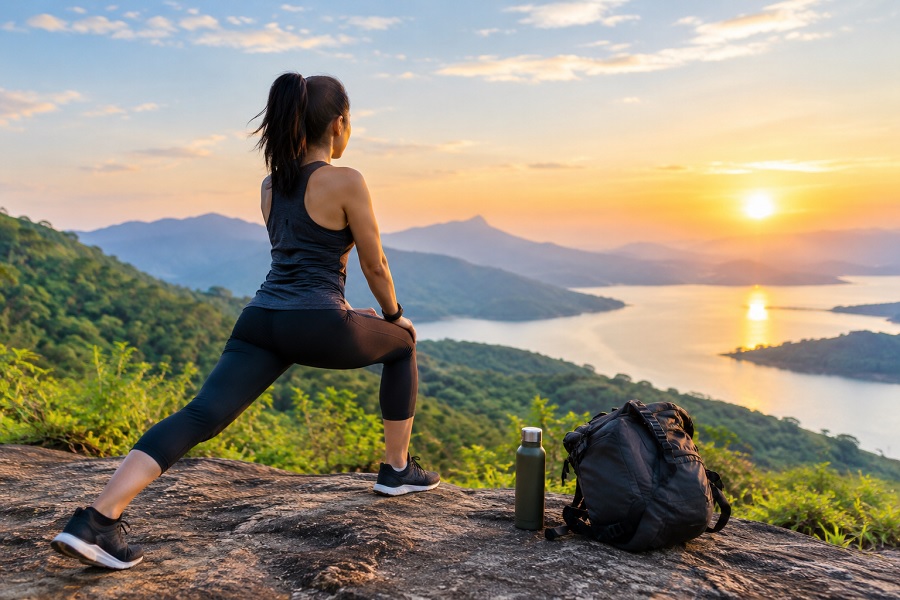
Solo National Park Adventures offer travelers an opportunity to explore forests, mountains, grasslands, wetlands, deserts, coastlines, and wildlife habitats at their own pace. Traveling alone can make the experience more personal because there is more time to observe nature, photograph landscapes, walk through scenic trails, and enjoy quiet moments away from busy city life.
A solo national park journey does require careful planning. Every park has different terrain, weather conditions, wildlife, access rules, permits, and facilities. Checking official park information before departure is an important part of preparing for the trip.
What Are Solo National Park Adventures?
Solo National Park Adventures are trips where an individual explores a national park independently or joins selected guided activities while traveling alone.
Depending on the destination and local regulations, activities can include:
Nature walks
Hiking and trekking
Wildlife watching
Birdwatching
Landscape photography
Camping at permitted sites
Scenic drives
Water-based activities
Sunrise and sunset viewing
Forest exploration
Cultural and heritage experiences
The main attraction is the freedom to create a personal itinerary and spend more time on activities that match individual interests.
Why Choose a Solo National Park Adventure?
1. Freedom to Explore
Solo travelers can decide when to start the day, which permitted trails to explore, how long to photograph a landscape, and when to take a break.
2. Peaceful Nature Experiences
National parks can provide a break from crowded urban environments. A quiet trail, mountain viewpoint, forest clearing, or lakeside location can become a memorable part of the journey.
3. Better Photography Opportunities
Traveling alone can make it easier to wait patiently for the right lighting or wildlife moment. Solo travelers can focus on landscape, macro, bird, and wildlife photography without having to follow a group's schedule.
4. Personal Growth
Solo outdoor travel can improve confidence, decision-making, navigation, and trip-planning skills. It can also encourage travelers to become more comfortable with spending time independently.
5. Flexible Travel Plans
A solo traveler can choose a shorter hike when weather conditions change or modify the day's activities according to energy levels and park conditions.
Planning a Solo National Park Trip
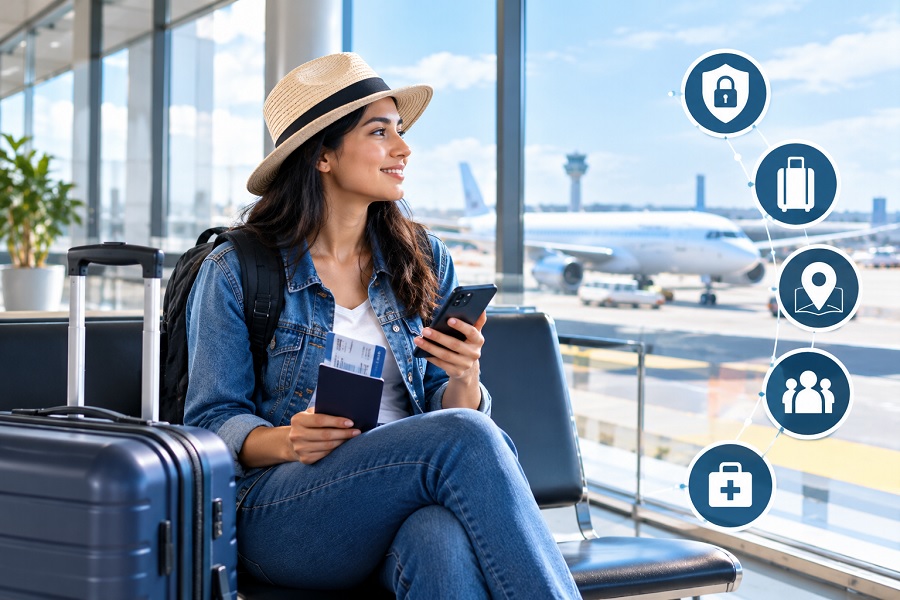
Good preparation is particularly important when traveling alone. Before visiting a park, research its official rules, opening information, weather, terrain, wildlife, available water, transportation, permits, camping arrangements, and communication options. National Park Service guidance recommends understanding the park environment and preparing for changing conditions before beginning an adventure.
A useful preparation checklist includes:
Research the destination
Check weather forecasts
Review trail conditions
Check park alerts and closures
Confirm permits and reservations
Plan transportation
Download offline maps
Check mobile connectivity
Share your itinerary with someone you trust
Pack sufficient water and food
Carry basic emergency supplies
For remote trips, having a backup plan is especially important because some parks may have limited or no mobile service.
Best Activities for Solo National Park Adventures
Wildlife Watching
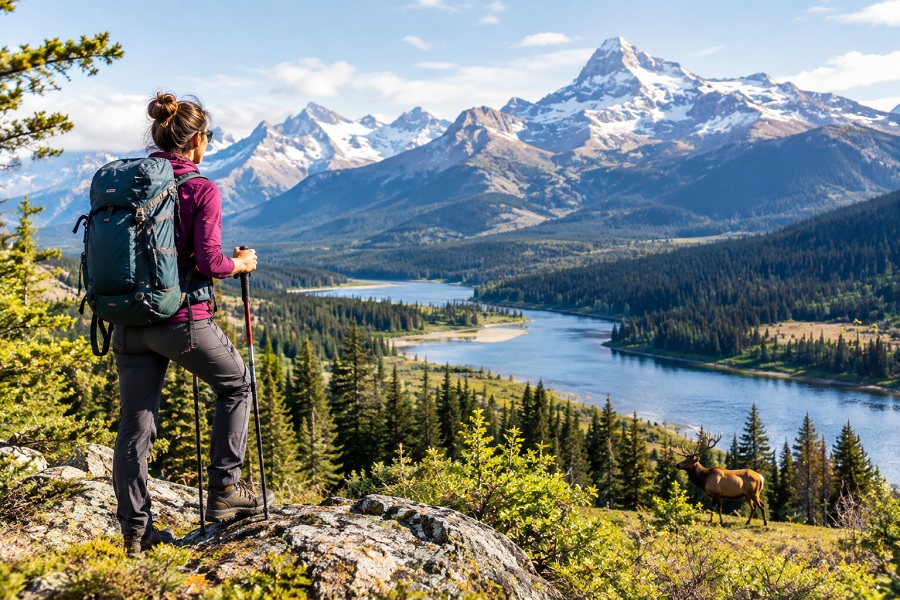
Wildlife viewing can be one of the most exciting parts of a national park visit. Travelers may encounter birds, deer, monkeys, elephants, big cats, reptiles, marine animals, or other species depending on the destination.
Wild animals should always be observed from a safe distance. Visitors should never feed, touch, chase, or deliberately disturb wildlife.
Hiking
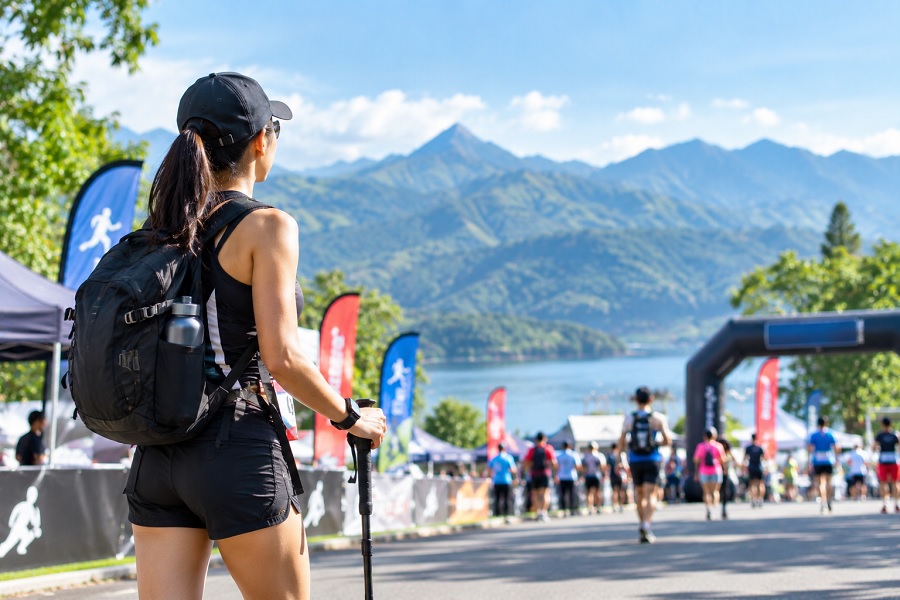
Hiking allows solo travelers to experience the park's landscapes at a slower pace. Choose trails appropriate for your fitness, experience, weather conditions, and available daylight.
Photography
National parks offer subjects ranging from dramatic mountains and waterfalls to flowers, forests, wildlife, and night skies. A lightweight camera or smartphone can be enough for a memorable photography experience.
Birdwatching
Solo travel can be particularly suitable for birdwatching because travelers can move quietly and spend time observing birds in their natural surroundings.
Scenic Drives
Where permitted, scenic drives can be a good option for travelers who want to explore larger areas without committing to long hikes.
Essential Gear for Solo Park Travel
The equipment required depends on the destination and activities, but a practical daypack may include:
Reusable water bottle
Nutritious snacks
Comfortable walking shoes
Weather-appropriate clothing
Hat and sun protection
Rain protection
First-aid supplies
Flashlight or headlamp
Power bank
Offline map
Fully charged phone
Camera and spare battery
Identification and required permits
Emergency contact information
For longer or more remote adventures, additional equipment may be necessary.
Solo National Park Camping
Camping can make a national park adventure more immersive, but solo camping should only be done where permitted and where the traveler has the necessary skills.
Before camping, check:
Designated camping areas
Reservation requirements
Fire regulations
Food-storage rules
Water availability
Weather conditions
Wildlife precautions
Emergency procedures
Travelers should never leave food or scented items unattended in wildlife areas. Proper food storage helps reduce unwanted encounters with animals.
Wildlife Safety
Wildlife encounters can be exciting but unpredictable. Animals should always be treated as wild, even when they appear calm or accustomed to people.
Maintain the distance required by the particular park. Many parks have specific minimum distances for viewing wildlife, and these rules can vary by species and destination. Using binoculars or a telephoto lens is safer than approaching an animal for a photograph.
If an animal approaches you, do not attempt to touch it or attract its attention. Move away according to the park's wildlife guidance and notify park staff if necessary.
Staying Safe While Traveling Alone
Solo travelers should make safety a priority rather than treating isolation as part of the adventure.
Important practices include:
Tell someone your travel plans.
Keep an emergency contact informed about your expected return.
Stay on permitted trails.
Carry enough water.
Monitor changing weather.
Avoid unfamiliar trails after dark.
Follow park warnings and ranger instructions.
Do not take unnecessary risks for photographs.
Carry offline navigation information.
Turn back if conditions become unsafe.
Official park guidance emphasizes staying within designated areas, monitoring conditions, knowing the terrain, and reassessing whether to continue when circumstances change.
Responsible National Park Travel
Solo adventures should also protect the environment.
Travelers can practice responsible tourism by:
Staying on designated trails
Avoiding damage to plants
Taking all waste with them
Using designated campsites
Keeping noise levels low
Respecting local communities
Following photography restrictions
Avoiding wildlife interaction
Never feeding animals
Following park regulations
Responsible wildlife tourism is especially important in protected areas because visitor behavior can affect both animals and their habitats.
Best Photography Ideas for Solo Travelers
A solo national park trip can produce a wide range of travel photographs.
Some ideas include:
Sunrise over mountains
Forest trails
Wildlife from a safe distance
Wildflowers and plants
Waterfalls
Lakes and reflections
Scenic viewpoints
Birds in natural habitats
Sunset landscapes
Night-sky photography
Self-portraits using a tripod
Camping scenes at permitted campsites
Instead of photographing only famous viewpoints, travelers can focus on small details such as leaves, rocks, textures, shadows, and changing light.
Choosing the Right National Park
The best park for a solo traveler depends on experience, interests, budget, accessibility, and comfort level.
Beginners may prefer parks with:
Clearly marked trails
Visitor centers
Reliable transportation
Ranger support
Nearby accommodation
Good mobile connectivity
Moderate hiking routes
Regular visitor activity
More experienced travelers may choose remote parks or longer wilderness routes, but these require substantially more preparation and appropriate equipment.
A Simple Solo National Park Itinerary
Day 1: Arrival and Orientation
Arrive at the destination, check into accommodation or a permitted campsite, collect local information, and review the park's safety rules.
Day 2: Nature Exploration
Begin early with a permitted trail or guided wildlife activity. Spend the afternoon exploring viewpoints and photographing the landscape.
Day 3: Wildlife and Photography
Take part in a permitted safari, birdwatching session, or nature walk. Finish the day with sunset photography from an approved viewpoint.
Day 4: Relax and Return
Enjoy a relaxed morning, visit a nearby attraction if appropriate, and begin the journey home.
The itinerary should always remain flexible because weather, trail conditions, wildlife activity, and park restrictions can change.
Benefits of Solo National Park Adventures
Solo national park travel can provide:
Greater independence
More flexible schedules
Opportunities for self-discovery
Better connection with nature
Photography opportunities
Outdoor fitness
Stress relief
New travel experiences
Greater confidence
Memorable personal experiences
The goal is not to prove how far or how remotely you can travel alone. A successful solo adventure is one where you enjoy the environment while making sensible decisions about your safety.
Conclusion
Solo National Park Adventures combine independence, nature, adventure, photography, and personal exploration. From peaceful forest walks and wildlife watching to mountain hikes and scenic drives, national parks provide many ways for solo travelers to experience the outdoors.
With proper preparation, responsible behavior, suitable equipment, and respect for wildlife and park regulations, a solo national park trip can become a rewarding and memorable travel experience. The most important part is to explore at your own pace while keeping safety and conservation at the center of the journey.