The Importance of Staying Hydrated
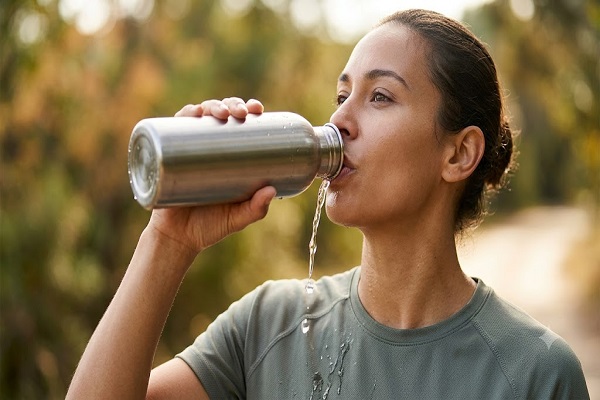
Water is one of the most essential nutrients your body needs to function properly. Every cell, tissue, and organ relies on water to perform vital tasks, from regulating body temperature to transporting nutrients and removing waste. Yet, many people underestimate the importance of staying hydrated and often don't drink enough fluids throughout the day. Maintaining proper hydration is one of the simplest ways to support your overall health and well-being.
Why Hydration Matters
The human body is made up of about 60% water, making hydration crucial for countless bodily functions. Water helps maintain blood circulation, lubricates joints, supports digestion, cushions vital organs, and keeps your skin healthy. Even mild dehydration can affect both physical and mental performance, leaving you feeling tired, sluggish, and less focused.
Health Benefits of Staying Hydrated
1. Boosts Energy Levels
Dehydration can lead to fatigue and reduced energy. Drinking enough water helps your body function efficiently, allowing you to stay active and alert throughout the day.
2. Improves Brain Function
Proper hydration supports concentration, memory, and mood. Even a small loss of body water can affect cognitive performance and make it harder to focus.
3. Supports Digestion
Water helps break down food, absorb nutrients, and prevent constipation. Staying hydrated keeps your digestive system working smoothly.
4. Regulates Body Temperature
Sweating is your body's natural cooling system. Drinking enough fluids helps replace the water lost through sweat and prevents overheating, especially during exercise or hot weather.
5. Promotes Healthy Skin
Hydrated skin often appears smoother and more radiant. While water alone isn't a cure for skin problems, adequate hydration supports overall skin health.
6. Helps Protect the Kidneys
The kidneys rely on water to filter waste products from the blood. Proper hydration reduces the risk of kidney stones and supports healthy kidney function.
7. Supports Physical Performance
Whether you're walking, exercising, or playing sports, staying hydrated helps maintain endurance, reduces muscle cramps, and improves recovery after physical activity.
Signs of Dehydration
It's important to recognize the early signs of dehydration before it becomes severe. Common symptoms include:
Feeling thirsty
Dry mouth or lips
Dark yellow urine
Headaches
Fatigue
Dizziness
Dry skin
Reduced urination
If dehydration becomes severe, medical attention may be necessary.
How Much Water Do You Need?
There's no single amount that's right for everyone. Your hydration needs depend on factors such as age, body size, activity level, climate, and overall health. Many adults do well by drinking fluids regularly throughout the day and increasing intake during exercise, hot weather, or illness. A practical way to gauge hydration is to monitor your thirst and aim for pale yellow urine.
Tips to Stay Hydrated
Carry a reusable water bottle wherever you go.
Drink water before, during, and after exercise.
Eat water-rich foods such as watermelon, cucumber, oranges, strawberries, and lettuce.
Set reminders if you often forget to drink water.
Replace sugary beverages with water whenever possible.
Drink extra fluids during hot weather or when you're sick.
Can You Drink Too Much Water?
Although uncommon, excessive water intake can lead to a condition called hyponatremia, where sodium levels in the blood become dangerously low. This is more likely during prolonged endurance events or when very large amounts of water are consumed in a short time. Drinking according to your body's needs is generally the safest approach.
Conclusion
Staying hydrated is a simple yet powerful habit that supports nearly every system in your body. From improving energy and mental focus to aiding digestion, kidney function, and physical performance, drinking enough water contributes to better overall health. By making hydration part of your daily routine and paying attention to your body's signals, you can help maintain your well-being and feel your best every day.