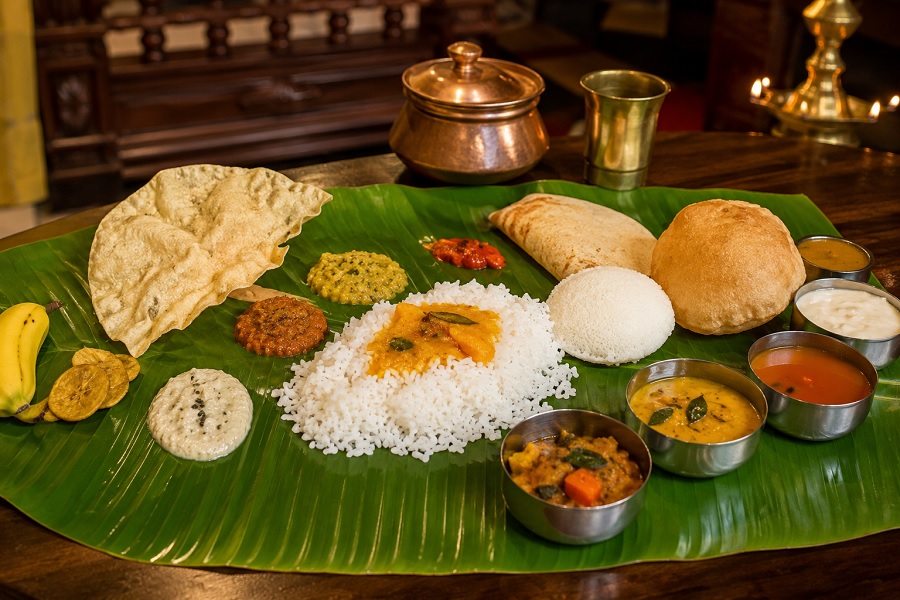
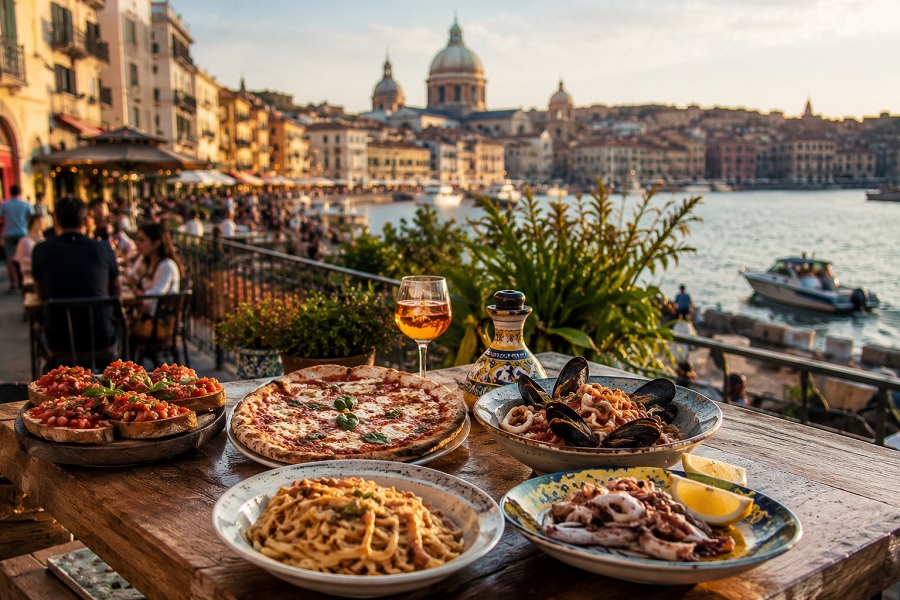
Street Food Tourism Worldwide
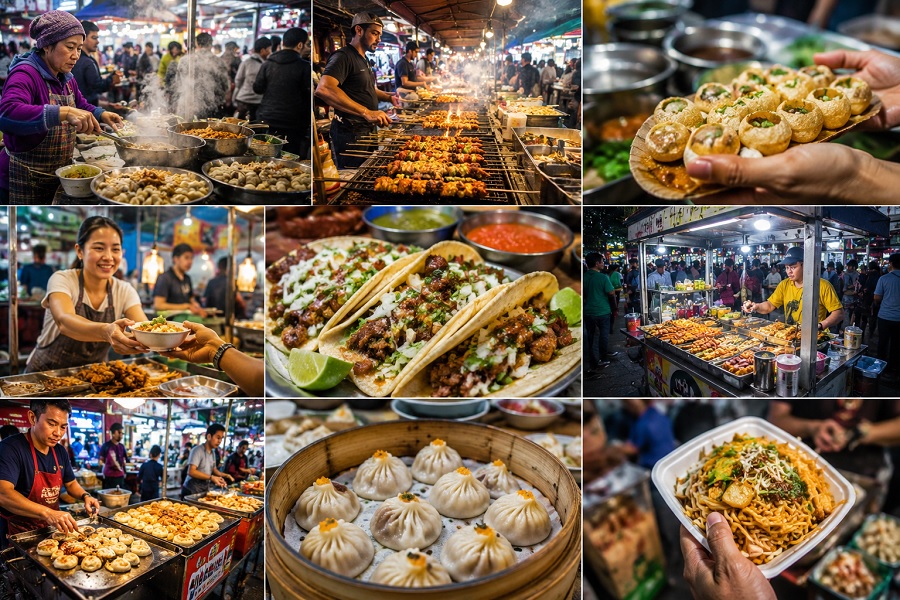
Street Food Tourism Worldwide: Exploring Global Cultures Through Local Flavors
Introduction
Street food tourism has become one of the most exciting and fastest-growing travel trends across the world. Travelers today are no longer satisfied with simply visiting famous landmarks. They want authentic cultural experiences, and local street food offers the perfect gateway into the heart of a destination.
From bustling night markets in Asia to colorful taco streets in Latin America and traditional food bazaars in the Middle East, street food tourism combines culture, flavor, history, and adventure into one unforgettable travel experience.
In 2026, global travelers are increasingly choosing destinations based on unique food experiences, making street food tourism a major part of international travel culture.
Why Street Food Tourism Is So Popular
Authentic Local Experience
Street food reflects the real culture of a destination. Traditional recipes, cooking techniques, local ingredients, and regional flavors allow travelers to experience authentic local life.
Affordable Culinary Adventures
Street food is often more affordable than restaurants, allowing tourists to try multiple dishes and flavors within a small budget.
Cultural Connection
Food markets and street vendors create opportunities for interaction between travelers and local communities. Visitors learn about traditions, history, and daily lifestyles through food.
Social Media Influence
Platforms like Instagram, YouTube, and travel blogs have made street food markets globally famous. Viral food videos and colorful food photography inspire millions of travelers worldwide.
Famous Street Food Destinations Worldwide
Bangkok, Thailand
Bangkok is famous for spicy noodles, grilled seafood, mango sticky rice, and floating market food experiences. The city is considered one of the world’s top street food capitals.
Tokyo, Japan
Japanese street food includes sushi stalls, ramen shops, takoyaki, yakitori, and traditional festival foods that attract international tourists year-round.
Istanbul, Turkey
Turkey’s street food culture features kebabs, Turkish tea, simit bread, baklava, and seafood sandwiches along vibrant city streets.
Mexico City, Mexico
Street tacos, tamales, quesadillas, and spicy regional flavors make Mexico City one of the most popular culinary tourism destinations.
Mumbai, India
Mumbai’s famous street foods such as vada pav, pav bhaji, pani puri, and kebabs attract both domestic and international tourists.
Popular Street Foods Travelers Love
Tacos
Dumplings
Noodles
Kebabs
Seafood grills
Fried snacks
Traditional sweets
Rice bowls
Local sandwiches
Spicy curries
These dishes often represent generations of culinary tradition and regional identity.
The Rise of Night Market Tourism
Night markets are becoming major tourism attractions worldwide. Travelers enjoy:
Live cooking experiences
Cultural performances
Local shopping
Traditional music
Social dining environments
Photography opportunities
Cities across Asia, Europe, and Latin America are developing dedicated food tourism districts to support growing tourism demand.
Street Food and Sustainable Tourism
Street food tourism also supports local economies and small businesses. Family-owned stalls and local vendors benefit directly from tourism spending.
Many cities are now promoting eco-friendly food tourism practices such as:
Biodegradable packaging
Plastic-free food stalls
Organic ingredients
Farm-to-market food systems
Waste reduction programs
Sustainable culinary tourism is expected to become even more important in future travel trends.
Safety and Hygiene in Street Food Tourism
Modern travelers are increasingly aware of food safety and hygiene standards. Many tourist destinations now implement:
Vendor licensing systems
Food safety inspections
Clean cooking zones
Tourism hygiene certifications
These improvements help increase traveler confidence and support the growth of culinary tourism.
Future of Street Food Tourism
The future of street food tourism looks extremely promising. In 2026 and beyond, travelers are expected to prioritize authentic food experiences over traditional luxury tourism alone.
Food tours, culinary festivals, cooking workshops, digital food maps, and AI-powered food travel recommendations are transforming the tourism industry.
Street food tourism is no longer just about eating. It has become a cultural, social, and experiential journey connecting people through global flavors.
Conclusion
Street food tourism worldwide offers travelers an exciting way to explore cultures, traditions, and communities through authentic local cuisine. Whether tasting noodles in Bangkok, tacos in Mexico City, or street snacks in Mumbai, every destination tells a unique story through its food.
As global tourism continues evolving, street food tourism remains one of the most vibrant and memorable travel experiences for modern travelers seeking authenticity, adventure, and cultural connection.