A Complete Guide to Japanese Food Tourism and Regional Cuisine
Japanese Food Tourism: Exploring Japan Through Its Culinary Culture
Introduction
Japanese food tourism is becoming an increasingly popular way to discover Japan through its rich culinary traditions, regional specialties, markets, restaurants, festivals, and traditional cooking experiences. From sushi and ramen to tempura, wagashi, and regional dishes, Japanese cuisine offers travelers an opportunity to experience the country's culture through food.
Food-focused travel in Japan goes beyond eating at restaurants. Visitors can explore local markets, join cooking classes, visit food-producing regions, experience traditional tea ceremonies, and discover the stories behind centuries-old recipes.
What Is Japanese Food Tourism?
Japanese food tourism involves traveling to different parts of Japan specifically to experience local cuisine and culinary traditions. Each region has its own ingredients, cooking techniques, specialties, and food culture.
Travelers can combine sightseeing with culinary experiences, making food an important part of their overall journey.
Why Japanese Food Tourism Is Popular
Japan has a diverse culinary landscape that appeals to both traditional food lovers and modern travelers. Several factors contribute to its popularity:
Rich regional food traditions
Famous Japanese dishes recognized worldwide
Fresh seasonal ingredients
Traditional cooking techniques
Vibrant food markets and street-food areas
Authentic local dining experiences
Beautiful presentation of dishes
Strong connection between food and Japanese culture
Popular Japanese Food Experiences
Sushi Experiences
Sushi is one of the most internationally recognized elements of Japanese cuisine. Travelers can enjoy everything from casual conveyor-belt sushi to carefully prepared meals at traditional sushi restaurants.
Visiting fish markets and observing skilled chefs can also make sushi tourism more memorable.
Ramen Tours
Ramen is another major attraction for food travelers. Different regions have developed their own styles, including variations in broth, noodles, toppings, and seasoning.
Travelers can create ramen-focused itineraries by visiting different cities and comparing regional varieties.
Street Food Adventures
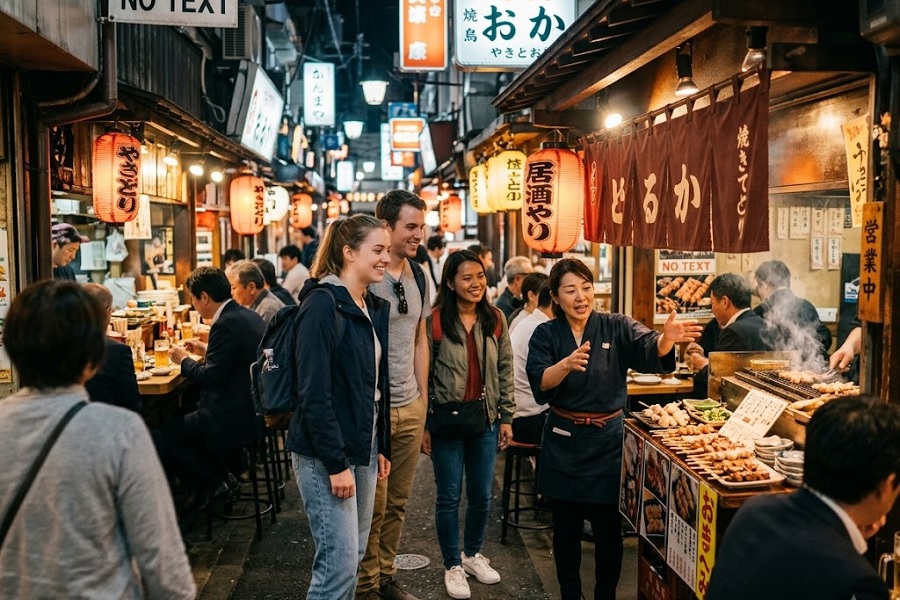
Japanese street food provides a convenient way to experience local flavors. Popular options include takoyaki, okonomiyaki, yakitori, taiyaki, and various seasonal snacks.
Food streets and festival stalls are particularly attractive for visitors looking for casual and affordable culinary experiences.
Traditional Tea Experiences
Japanese tea culture offers a more traditional side of food tourism. Visitors can participate in tea ceremonies and learn about the preparation, presentation, and cultural importance of Japanese tea.
Matcha experiences are especially popular among international travelers.
Japanese Cooking Classes
Cooking classes allow tourists to learn how traditional dishes are prepared. Depending on the location and class, travelers may learn to prepare sushi, ramen, tempura, wagashi, or other regional specialties.
These experiences can provide visitors with skills and memories that continue after the trip.
Regional Food Tourism in Japan
One of the biggest advantages of Japanese food tourism is regional diversity.
Tokyo offers an enormous variety of Japanese and international cuisine, from sushi and ramen to modern fine dining.
Osaka is famous for its lively food culture and popular dishes such as takoyaki and okonomiyaki.
Kyoto provides opportunities to explore traditional cuisine, seasonal dishes, tea culture, and refined dining experiences.
Hokkaido is well known for seafood, dairy products, ramen, and fresh agricultural produce.
Hiroshima is particularly associated with Hiroshima-style okonomiyaki, while Fukuoka is famous for Hakata-style ramen and its vibrant food stalls.
Food Markets and Culinary Streets
Japanese food markets are excellent destinations for travelers who want to see ingredients and local food traditions up close. Markets often feature seafood, fresh produce, sweets, snacks, prepared meals, and regional products.
Exploring a market in the morning can also offer a glimpse into local eating habits and food culture.
Japanese Food Festivals
Food festivals provide another exciting opportunity for culinary travelers. Seasonal festivals and local events can introduce visitors to dishes that may not be widely available outside a particular region.
Travelers can enjoy local specialties while experiencing music, traditions, crafts, and community celebrations.
Sustainable Japanese Food Tourism
Sustainability is becoming increasingly important in culinary travel. Travelers can support responsible food tourism by choosing locally owned restaurants, purchasing regional products, avoiding unnecessary food waste, and respecting traditional food practices.
Visiting farms, fisheries, tea-growing areas, and local food producers can also help travelers understand where Japanese ingredients come from.
Tips for Japanese Food Travelers
Research regional specialties before traveling.
Try seasonal dishes whenever possible.
Visit local markets early in the day.
Consider joining a traditional cooking class.
Explore small local restaurants as well as famous establishments.
Learn basic Japanese dining etiquette.
Respect restaurant rules and reservation requirements.
Try foods beyond internationally famous Japanese dishes.
Support local producers and independent restaurants.
Keep an open mind when trying unfamiliar ingredients.
Best Time for Japanese Food Tourism
Japan offers culinary experiences throughout the year. Spring brings seasonal vegetables and spring-themed sweets, while summer features festivals and refreshing dishes. Autumn is particularly attractive for travelers interested in seasonal ingredients, and winter offers comforting foods such as hot pot and regional noodle dishes.
The best time depends on the region and the specific food experiences a traveler wants to enjoy.
Future of Japanese Food Tourism
Japanese food tourism is likely to continue growing as travelers increasingly seek authentic and immersive experiences. Culinary workshops, regional food trails, farm visits, traditional food experiences, and local food festivals can attract visitors beyond major tourist attractions.
Technology is also making it easier for travelers to discover local restaurants, book culinary activities, translate menus, and plan food-focused itineraries.
Conclusion
Japanese food tourism offers much more than a chance to taste famous dishes. It provides travelers with a way to understand Japan's regional identity, traditions, craftsmanship, seasonal ingredients, and everyday culture.
From sushi counters and ramen shops to local markets, tea ceremonies, food festivals, and cooking classes, Japan provides countless opportunities for memorable culinary journeys. For travelers who want to combine culture, exploration, and great food, Japanese food tourism can be an especially rewarding travel experience.