Spice Tourism: Visiting Famous Spice Markets

Spices have shaped global trade, influenced cultures, and defined the flavors of cuisines for centuries. Today, spice tourism has become an exciting way for travelers to explore destinations through their aromas, colors, and culinary traditions. Visiting famous spice markets allows travelers to experience the heart of local food culture while discovering ingredients that have played a vital role in history and cuisine.
The History Behind the Spice Trade
Spices were once among the most valuable commodities in the world. Ancient trade routes connected Asia, the Middle East, and Europe through the exchange of pepper, cinnamon, nutmeg, cloves, and saffron. These precious ingredients were used not only for cooking but also for medicine, preservation, and religious rituals. Exploring spice markets today gives visitors a glimpse into this fascinating history and the traditions that continue to thrive.
A Sensory Experience Like No Other
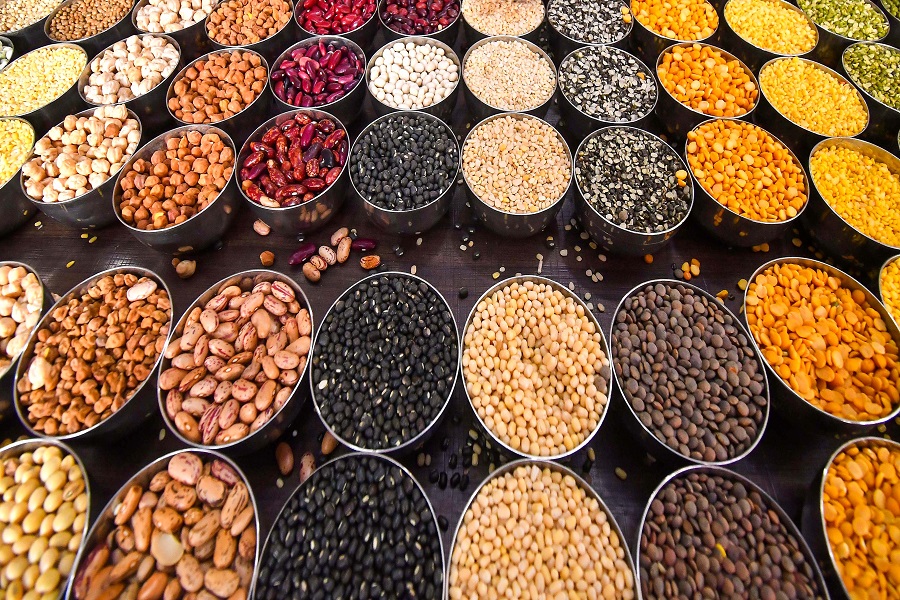
Spice markets are vibrant places filled with intense colors, rich aromas, and bustling energy. Piles of turmeric glow bright yellow, dried red chilies create fiery displays, and fragrant cardamom and cinnamon fill the air with warmth. Walking through these markets is a sensory journey where travelers can smell, taste, and learn about spices directly from local vendors who often have generations of knowledge about their products.
Famous Spice Markets Around the World
Many destinations are renowned for their spice markets. In India, cities like Kochi and Delhi have historic markets where traders sell a wide variety of spices sourced from different regions. Istanbul’s Grand Bazaar and Egypt’s Khan el-Khalili market are famous for their aromatic stalls filled with spices, teas, and herbs. In Morocco, Marrakech’s souks offer colorful displays of spices used in traditional dishes like tagine and couscous.
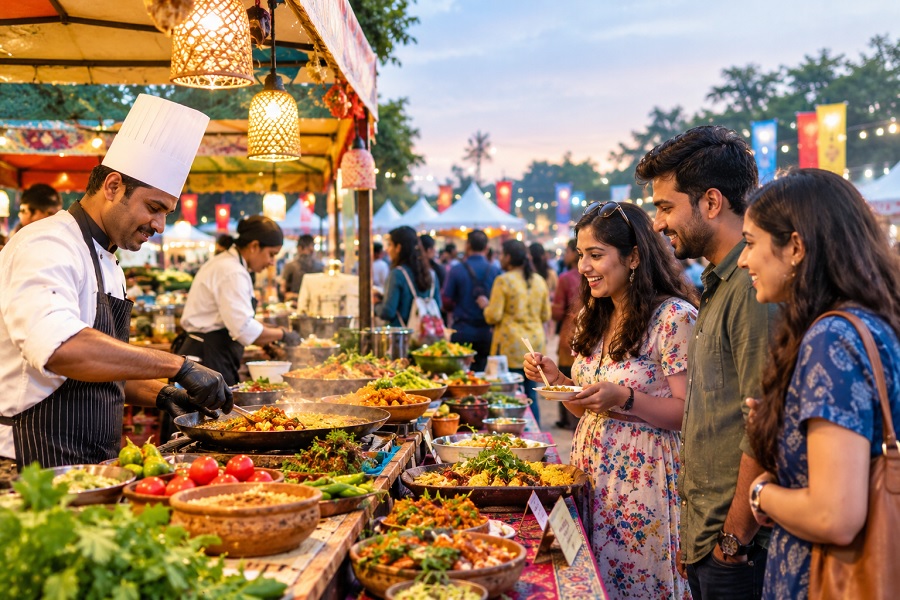
These markets are not just places to shop—they are cultural hubs where travelers can witness local life, interact with merchants, and learn about traditional cooking methods.
Learning About Local Cuisine
Spice tourism often goes beyond simply buying ingredients. Many tours include cooking classes, spice farm visits, and guided market walks where travelers learn how spices are used in local recipes. Visitors can discover how garam masala flavors Indian dishes, how saffron enhances Mediterranean cuisine, or how ras el hanout adds depth to Moroccan cooking.
Such experiences allow travelers to bring a piece of the destination back home by recreating authentic dishes in their own kitchens.
Supporting Local Communities
Spice markets are important sources of income for farmers, traders, and small businesses. By purchasing spices directly from these markets, travelers help support local communities and preserve traditional agricultural practices. Many markets also promote organic and sustainably grown spices, encouraging environmentally responsible tourism.
Tips for Exploring Spice Markets
When visiting spice markets, travelers should take time to explore slowly and engage with local vendors. Sampling spices, asking questions, and learning about their origins makes the experience more meaningful. Buying small quantities of high-quality spices is also a great way to bring home authentic flavors.
A Flavorful Journey
Spice tourism offers a unique blend of culture, history, and gastronomy. From the bustling stalls of Asian markets to the colorful souks of North Africa, spice markets provide unforgettable experiences for food lovers and curious travelers alike. For those who enjoy discovering destinations through taste and tradition, visiting famous spice markets is truly a flavorful journey.