Solo International Travel Safety Guide: Smart Tips for Exploring the World Alone
Solo Travel Safety Tips for International Trips
Introduction
International solo travel can be an exciting way to explore new countries, cultures, landscapes, food, and local experiences. Traveling alone also gives you the freedom to choose your destinations, activities, and schedule. However, being in an unfamiliar country requires careful planning and attention to personal safety.
From preparing travel documents to choosing safe accommodation, managing money, staying connected, and understanding local customs, a few simple precautions can make an international solo trip more comfortable and organized.
Research Your Destination Before Traveling
Good preparation is one of the most important parts of safe solo travel. Research your destination before leaving home and learn about local laws, transportation, weather, cultural practices, common scams, and areas that travelers may want to avoid.
Check official government travel advisories and information from the destination country's authorities. Keep important emergency numbers saved on your phone.
Keep Your Passport and Documents Safe
Your passport is one of your most important travel documents. Keep it secure throughout your journey and avoid carrying it unnecessarily when local rules do not require it.
Before traveling, keep digital and physical copies of:
Passport
Visa
Flight tickets
Hotel reservations
Travel insurance
Emergency contacts
Identification documents
Store digital copies securely so you can access them if the originals are lost.
Choose Safe Accommodation
Accommodation can have a major impact on a solo travel experience. Research hotels, hostels, guesthouses, or other accommodation options before booking.
Look for:
Good recent reviews
Secure entrances
Convenient locations
24-hour reception when possible
Reliable transportation access
Suitable lighting around the property
Avoid sharing detailed information about your room, travel schedule, or valuables with strangers.
Stay Connected
A reliable communication method is important when traveling internationally. Consider arranging an international SIM, eSIM, or suitable mobile plan before or after arrival.
Keep your phone charged and carry a power bank when practical. Share your general itinerary with a trusted person at home and check in with them periodically.
Use Transportation Carefully
Learn about official transportation options before arriving. Airports and major tourist destinations may have licensed taxis, airport buses, trains, metro systems, or recognized ride-booking services.
Be cautious of unsolicited offers for transportation. Before entering a taxi or private vehicle, confirm the vehicle details and destination.
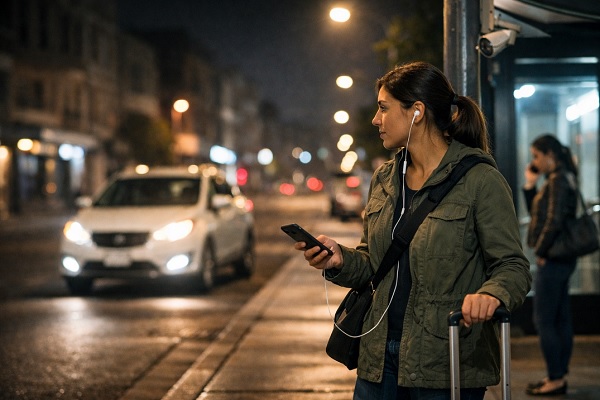
For late-night travel, choose established transportation services and avoid isolated areas when possible.
Protect Your Money and Cards
Avoid keeping all your cash, cards, and important documents in one place.
Useful precautions include:
Carrying limited cash for daily expenses
Keeping a backup payment method
Using secure ATMs
Monitoring bank transactions
Keeping emergency funds separately
Avoiding displaying large amounts of cash
Inform your bank about international travel if required and understand any foreign transaction or withdrawal restrictions.
Be Careful With Public Wi-Fi
Public Wi-Fi networks can be convenient but may not always provide strong security. Avoid performing sensitive financial activities on unfamiliar networks whenever possible.
Use trusted networks, keep your phone and apps updated, and enable device security features such as screen locks and biometric authentication.
Avoid Common Travel Scams
Tourists can sometimes become targets for scams. Common examples may include fake taxi services, inflated prices, unofficial tour operators, fake tickets, distraction techniques, and unsolicited assistance.
Research common scams before visiting a destination. If an offer seems unusually attractive or someone pressures you to make a quick decision, take a moment to verify the information.
Stay Aware of Your Surroundings
Solo travelers should remain aware of their surroundings, particularly in crowded tourist areas, public transportation, nightlife districts, and unfamiliar neighborhoods.
Avoid becoming completely distracted by your phone while walking. Keep valuables secure and pay attention when withdrawing money or using your travel documents.
Respect Local Laws and Customs
Every country has its own laws and cultural expectations. Rules relating to photography, clothing, public behavior, alcohol, religious sites, transportation, and identification can differ significantly.
Learn the basic local customs before visiting. Respecting local practices can help prevent misunderstandings and make interactions with residents more comfortable.
Keep Emergency Contacts Ready
Save important numbers before your trip. Depending on the destination, these may include:
Local emergency services
Police
Ambulance
Fire services
Your country's embassy or consulate
Travel insurance assistance
Accommodation
Airline or transportation provider
Trusted family member or friend
Write down essential information as well in case your phone becomes unavailable.
Consider Travel Insurance
Travel insurance can provide financial protection for certain unexpected situations, depending on the policy.
Coverage may include areas such as medical emergencies, trip interruption, baggage problems, or travel delays. Read the policy carefully before purchasing it and understand exclusions, claim procedures, and coverage limits.
Take Care With Food and Water
Food safety is another consideration during international travel. Choose food outlets with good hygiene practices and be cautious with unfamiliar foods if you have dietary concerns.
Depending on the destination, travelers may need to take precautions regarding drinking water. Research local conditions before departure and follow official health guidance.
Plan Your First Day Carefully
The first few hours in a new country can be challenging because you may be tired and unfamiliar with the surroundings.
Arrange your airport transfer and accommodation in advance when possible. Keep your hotel address available offline and avoid making complicated travel arrangements immediately after a long flight.
Be Cautious When Meeting New People
Meeting people is one of the enjoyable aspects of solo travel, but maintain reasonable boundaries.
Avoid sharing sensitive information such as your full travel schedule, room number, financial details, or personal documents. When meeting someone new, choose a public location and let a trusted person know where you are going.
Keep Your Valuables Secure
Use hotel safes when appropriate and avoid carrying expensive items unnecessarily.
Important belongings such as passports, cards, phones, cameras, and cash should be kept secure. In crowded locations, use bags that are difficult to open without your awareness.
Have a Backup Plan
Unexpected situations can happen during international trips. Flights may be delayed, transportation may stop, or accommodation arrangements may change.
Keep backup copies of important documents, emergency funds, alternative transportation information, and essential contact details.
Solo Travel Safety for Nighttime
Night travel requires additional awareness, especially in unfamiliar areas.
Consider returning to your accommodation using established transportation rather than walking through isolated locations. Avoid displaying expensive belongings and be cautious around unfamiliar nightlife areas.
If you feel uncomfortable, move toward a busy public location such as a hotel, major transport station, or established business.
Learn a Few Local Words
Knowing simple phrases such as "hello," "thank you," "help," "police," and "where is the hospital?" can be useful.
Basic local language knowledge can make everyday communication easier and may be especially helpful during emergencies.
Use Maps and Offline Information
Download offline maps and save your accommodation address before exploring a destination.
This can be particularly useful when mobile data is unavailable or the network is unreliable. Keep important addresses and transportation information accessible without an internet connection.
Safety Tips for Solo International Travelers
A simple checklist can help travelers stay organized:
Research the destination.
Check visa and entry requirements.
Keep passport copies.
Arrange suitable accommodation.
Save emergency contacts.
Protect money and payment cards.
Keep your phone charged.
Use reliable transportation.
Avoid isolated areas.
Stay aware of local laws and customs.
Share your general itinerary with someone you trust.
Keep travel insurance information accessible.
Benefits of Safe Solo Travel
When travelers prepare carefully, solo international trips can offer many valuable experiences. They can provide opportunities to discover new cultures, develop independence, meet people from different backgrounds, explore unfamiliar destinations, and create flexible travel schedules.
Safety planning does not have to limit the experience. Instead, it can provide greater confidence and allow travelers to focus on enjoying their journey.
Future of Solo International Travel
Technology is changing the way solo travelers prepare for international trips. Digital maps, translation tools, mobile payments, eSIM services, travel applications, digital boarding passes, and online booking platforms can simplify many parts of travel.
Travelers are also increasingly interested in responsible tourism, wellness experiences, sustainable accommodation, local cultural experiences, and personalized travel planning.
As international travel continues to evolve, combining technology with practical safety awareness will remain important for solo travelers.
Conclusion
Solo international travel can be rewarding when it is approached with thoughtful preparation. Researching the destination, protecting important documents, selecting secure accommodation, using reliable transportation, managing money carefully, staying connected, and respecting local laws are all important parts of a safe journey.
The goal is not to avoid every unfamiliar situation but to be prepared to handle common travel challenges. With good planning and awareness, solo travelers can explore international destinations with greater confidence while enjoying new cultures and experiences.