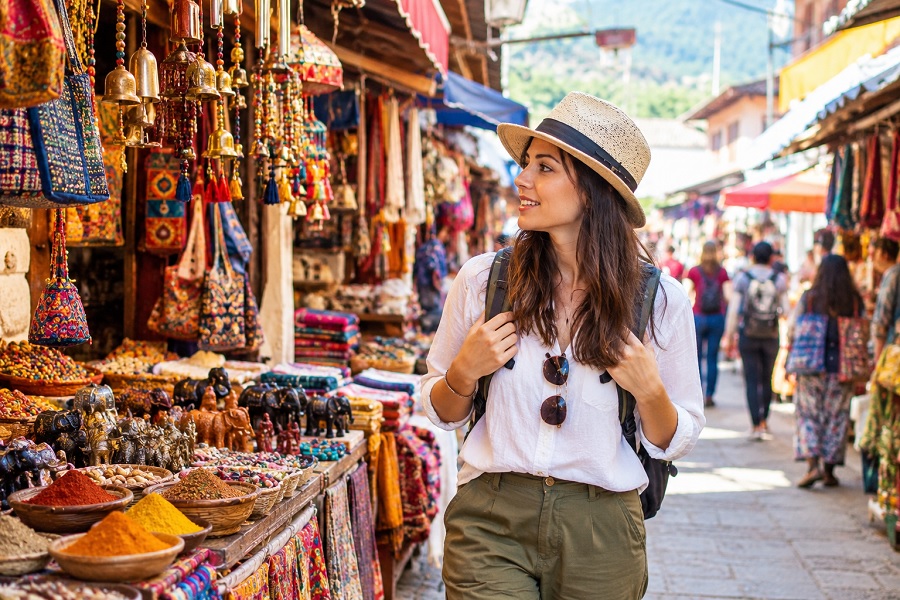
Smart Packing for Solo Travelers: Must-Have Essentials for Every Journey
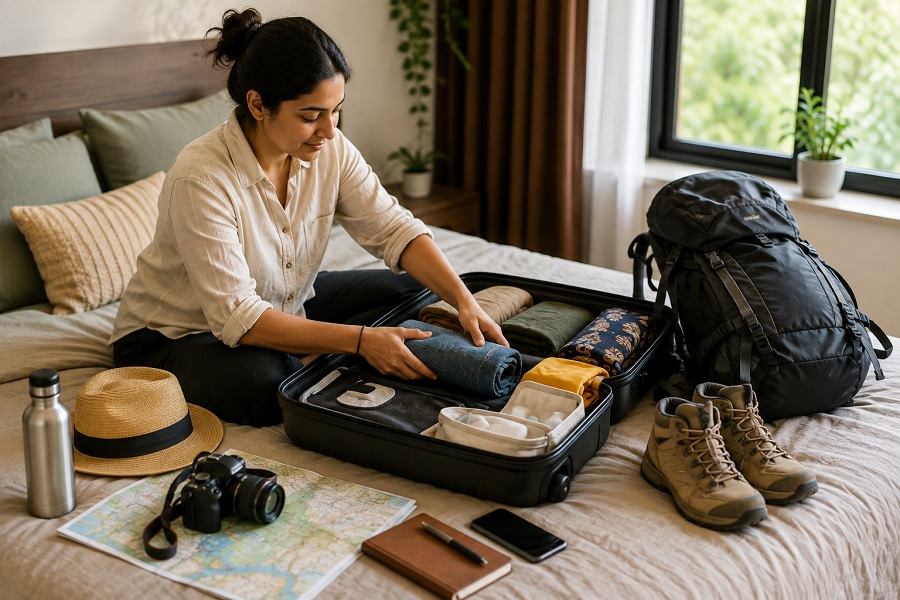
Solo Travel Packing Guide: Smart Essentials for a Comfortable Journey
Introduction
Solo travel offers freedom, flexibility, and the opportunity to explore destinations at your own pace. However, packing for a solo trip requires careful planning because you are responsible for carrying, organizing, and protecting everything you bring.
A good Solo Travel Packing Guide focuses on traveling light while keeping essential clothing, documents, technology, personal items, safety supplies, and destination-specific equipment. Whether you are planning a weekend city break, a beach vacation, a mountain adventure, or an international backpacking journey, thoughtful packing can make the trip easier and more comfortable.
Why Smart Packing Matters for Solo Travelers
When traveling alone, carrying too much luggage can make transportation difficult and reduce flexibility. A compact bag makes it easier to use public transport, walk between locations, change accommodation, and manage unexpected changes in your itinerary.
Smart packing can help you:
Reduce unnecessary luggage
Save time at airports and stations
Move around more easily
Keep important items organized
Avoid overpacking
Prepare for changing weather
Maintain greater independence
Reduce the risk of losing belongings
The goal is not to pack everything you might possibly need. Instead, pack versatile items that can serve multiple purposes.
Choosing the Right Luggage
The right luggage depends on the destination, trip length, transportation, and activities.
Backpack
A travel backpack can be useful for:
Backpacking
Train travel
Multi-city trips
Hiking trips
Budget travel
Choose a comfortable backpack with suitable compartments and supportive straps.
Carry-On Suitcase
A compact suitcase can work well for city trips, business travel, and destinations with smooth transportation infrastructure.
Daypack
A small daypack is useful for carrying daily essentials while leaving larger luggage at your accommodation.
Essential Travel Documents
Documents should be among the first things packed and protected.
Carry:
Passport for international travel
Visa or travel authorization when required
Identification documents
Flight or train tickets
Accommodation details
Travel insurance information
Emergency contact information
Copies of important documents
For international trips, keep digital backups in a secure location and consider carrying physical copies of essential documents.
Clothing Essentials
Choose clothing according to the destination and weather rather than packing for every possible situation.
A practical solo travel wardrobe may include:
T-shirts or tops
Comfortable trousers
Lightweight travel pants
Shorts where appropriate
Underwear
Socks
Sleepwear
Light jacket
Rain jacket
Comfortable walking shoes
Sandals or secondary footwear
Neutral and versatile clothing can make it easier to create multiple outfits from a smaller number of items.
Pack for the Weather
Weather should strongly influence your packing list.
For Hot Destinations
Consider:
Lightweight clothing
Breathable fabrics
Hat or cap
Sunglasses
Sunscreen
Reusable water bottle
Light footwear
For Cold Destinations
Consider:
Thermal layers
Warm jacket
Sweater or fleece
Gloves
Warm socks
Scarf
Waterproof footwear
For Rainy Destinations
Consider:
Lightweight rain jacket
Compact umbrella
Waterproof footwear
Waterproof bag
Quick-drying clothes
Protective covers for electronics
Toiletries
Travel-size toiletries can help reduce weight and save space.
A basic toiletry kit can contain:
Toothbrush
Toothpaste
Shampoo
Soap or body wash
Deodorant
Moisturizer
Comb or brush
Razor
Personal hygiene products
Sunscreen
Lip balm
Use leak-proof containers and keep liquids properly organized.
Personal Care Items
Depending on your needs and destination, you may want to pack:
Basic first-aid supplies
Hand sanitizer
Tissues
Wet wipes
Personal hygiene products
Insect repellent
Prescription or routine medicines
Small laundry detergent
For any medication you regularly use, keep it in appropriate packaging and follow applicable travel rules.
Technology Packing List
Technology can be especially useful for solo travelers because smartphones and other devices can assist with navigation, communication, bookings, translation, and emergency contact.
Useful items may include:
Smartphone
Charging cable
Power adapter
Power bank
Earphones
Camera
Memory card
Laptop or tablet if genuinely necessary
Universal travel adapter for international trips
Avoid carrying devices you do not expect to use.
Power Bank and Chargers
A power bank can be valuable during long travel days, particularly when navigation and communication depend heavily on your phone.
Keep charging equipment organized in a small electronics pouch.
For international travel, check whether your destination uses a different electrical plug or voltage system and pack an appropriate adapter.
Safety Essentials for Solo Travelers
Safety items should be practical rather than excessive.
Consider carrying:
Emergency contact information
Small flashlight
Whistle where appropriate
Personal alarm where legal
Copies of important documents
Secure luggage locks
Basic first-aid supplies
Portable charger
Keep important documents, money, and essential electronics secure and accessible.
Money and Payment Essentials
Solo travelers should avoid relying on only one payment method.
Consider carrying:
Primary payment card
Backup payment card
Some local currency
Secure wallet
Digital payment option where available
Keep backup payment methods separately from your main wallet so that one lost item does not leave you without access to money.
Packing for International Solo Travel
International trips often require additional preparation.
Check requirements for:
Passport validity
Visa
Entry documentation
Travel insurance
Local currency
Electrical adapters
Weather
Local transportation
Mobile connectivity
Customs restrictions
Do not assume that items permitted in your home country are automatically permitted in another country.
Packing for Solo Beach Trips
For a beach vacation, consider:
Swimwear
Lightweight clothing
Beach sandals
Quick-dry towel
Sunglasses
Hat
Sunscreen
Waterproof phone pouch
Reusable water bottle
Light evening outfit
Keep valuables secure and avoid taking unnecessary electronics to the beach.
Packing for Solo Mountain Trips
Mountain travel often requires more specialized equipment.
Depending on the destination and activity, consider:
Hiking shoes
Warm layers
Rain protection
Backpack
Water bottle
Headlamp
Navigation equipment
First-aid supplies
Sun protection
Appropriate outdoor clothing
For serious trekking, equipment should be selected according to terrain, altitude, weather, duration, and local guidance.
Packing for Solo City Trips
City travel usually requires fewer specialized items.
A practical list can include:
Comfortable walking shoes
Lightweight clothing
Small daypack
Phone
Portable charger
Travel documents
Reusable bottle
Compact umbrella
Camera if desired
A small bag is particularly useful for museums, markets, public transportation, and walking tours.
Packing for Solo Road Trips
For a road trip, consider:
Comfortable clothing
Navigation device or phone
Charging cable
Power bank
Water
Snacks
First-aid supplies
Sunglasses
Travel documents
Emergency contacts
Appropriate vehicle-related documents
Avoid allowing luggage to obstruct visibility or become unsecured inside a vehicle.
Packing for Long-Term Solo Travel
Long-term travel requires a different approach.
Instead of packing for every day, focus on:
Easy-to-wash clothing
Quick-drying fabrics
Versatile shoes
Compact toiletries
Reliable electronics
Important documents
Small laundry supplies
Washing clothes during a longer trip can significantly reduce the amount of clothing you need to carry.
How to Avoid Overpacking
One of the biggest challenges for solo travelers is taking too much.
Try these strategies:
Make a packing list before packing.
Remove items you probably will not use.
Choose clothing that can be mixed and matched.
Limit duplicate items.
Use travel-size toiletries.
Wear your heaviest shoes while traveling.
Avoid packing "just in case" items unless they are genuinely important.
Leave some space for purchases.
Recheck the weather before departure.
Weigh your luggage when necessary.
Packing Cubes and Organization
Packing cubes can help separate clothing and improve organization.
You can use different sections for:
Tops
Bottoms
Underwear
Electronics
Toiletries
Accessories
Organization is particularly useful for solo travelers because you do not have another person to help locate items in your luggage.
Laundry on a Solo Trip
For longer trips, laundry planning can reduce luggage.
Travelers can:
Use hotel laundry services
Visit local laundromats
Hand-wash lightweight clothes
Carry a small amount of travel laundry detergent
Quick-drying clothing can be especially useful when traveling between destinations frequently.
How to Keep Valuables Safe
Important items should remain under your control whenever practical.
Keep an eye on:
Passport
Wallet
Phone
Payment cards
Camera
Laptop
Important documents
Avoid leaving valuables unattended in public places. When staying in accommodation, use available security facilities according to the property's instructions.
Solo Travel Packing for Different Trip Lengths
Weekend Trip
Focus on:
Small bag
Two or three versatile outfits
Toiletries
Documents
Electronics
Basic personal items
One-Week Trip
Add enough clothing for the weather while considering laundry or reusing versatile items.
Two-Week Trip
Plan clothing combinations rather than packing a separate outfit for every day.
Long-Term Trip
Prioritize durability, versatility, easy washing, and lightweight equipment.
Sustainable Solo Travel Packing
Travelers can reduce environmental impact by packing reusable and durable products.
Consider:
Reusable water bottle
Reusable shopping bag
Durable toiletries
Refillable containers
Long-lasting clothing
Reusable cutlery where useful
Digital tickets and documents where accepted
Buying fewer disposable products can reduce travel waste.
Common Solo Travel Packing Mistakes
Avoid these common mistakes:
Packing too many clothes
Carrying unnecessary electronics
Forgetting travel documents
Ignoring destination weather
Packing unsuitable footwear
Carrying oversized toiletries
Forgetting charging adapters
Not protecting important documents
Keeping all payment methods together
Forgetting space for souvenirs
A simple checklist can prevent many of these problems.
Final Solo Travel Packing Checklist
Before leaving, check:
Documents
Passport
Visa if required
Tickets
Accommodation details
Insurance information
Emergency contacts
Clothing
Tops
Bottoms
Underwear
Socks
Jacket
Weather-appropriate clothing
Comfortable footwear
Toiletries
Toothbrush
Toothpaste
Personal hygiene products
Sunscreen
Basic care products
Technology
Smartphone
Charger
Power bank
Adapter
Earphones
Safety
First-aid supplies
Important medication
Secure wallet
Copies of important documents
Emergency information
Conclusion
A successful solo trip begins with smart preparation. The best Solo Travel Packing Guide is not about carrying everything you might need. It is about selecting practical, versatile, lightweight items that support your journey.
From essential documents and comfortable clothing to technology, toiletries, safety supplies, and destination-specific equipment, every item should have a purpose. Packing efficiently allows solo travelers to move more easily, stay organized, and focus on discovering new destinations.
Whether you are planning a weekend city break, an international adventure, a beach holiday, a mountain trek, or a long-term journey, a well-planned packing strategy can make solo travel more comfortable and enjoyable.