Slow Living: Finding Balance in a Fast-Paced World
In a world driven by deadlines, notifications, and constant connectivity, life often feels like a race with no finish line. The pressure to stay productive, responsive, and ahead of the curve has become the norm, leaving many feeling overwhelmed and disconnected. Against this backdrop, slow living has emerged as a powerful lifestyle philosophy—one that encourages intentionality, balance, and presence in everyday life.
Slow living is not about doing less for the sake of it; rather, it is about doing things with purpose. It invites individuals to step away from the culture of constant hustle and embrace a rhythm of life that prioritizes well-being, mindfulness, and meaningful experiences. At its core, slow living is about reclaiming control over time and choosing quality over quantity.
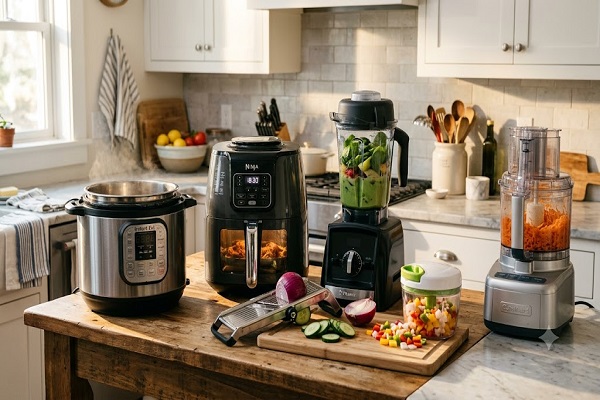
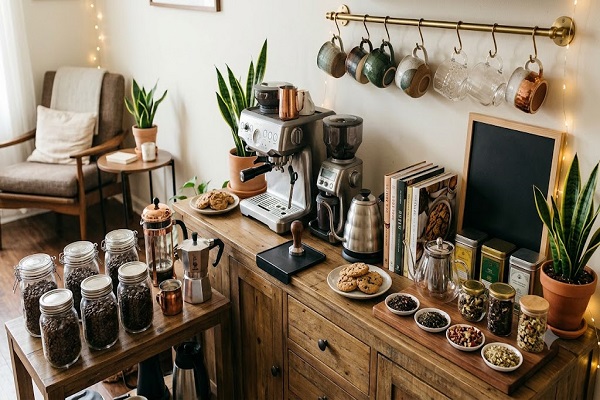
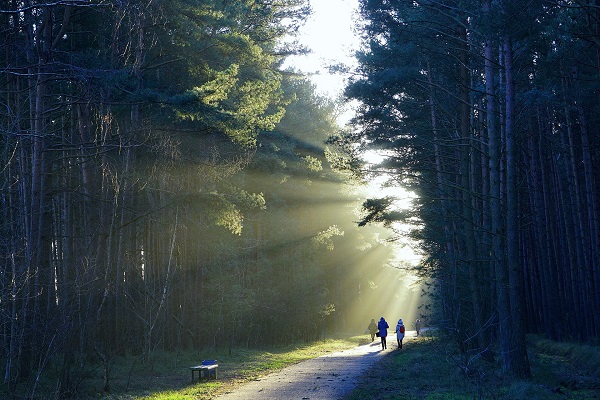
One of the most significant aspects of slow living is mindfulness in daily routines. Simple acts—such as enjoying a quiet morning cup of tea, taking a walk without distractions, or preparing a home-cooked meal—become moments of grounding rather than tasks to rush through. These pauses allow the mind to rest and reconnect with the present, reducing stress and improving mental clarity.
Slow living also reshapes the way we view success and productivity. Instead of measuring achievement by constant busyness, this lifestyle encourages a healthier definition of success—one that values balance, fulfillment, and emotional well-being. It acknowledges that rest is not laziness but an essential part of sustainable living. By allowing space for reflection and recovery, individuals often find themselves more focused and creative in the long run.
Incorporating slow living into modern life also extends to relationships and social connections. In a fast-paced world, interactions can become transactional and fleeting. Slow living promotes deeper, more meaningful connections by encouraging people to be fully present with others—listening without distraction and valuing shared moments over digital engagement. These intentional connections foster stronger bonds and a greater sense of belonging.
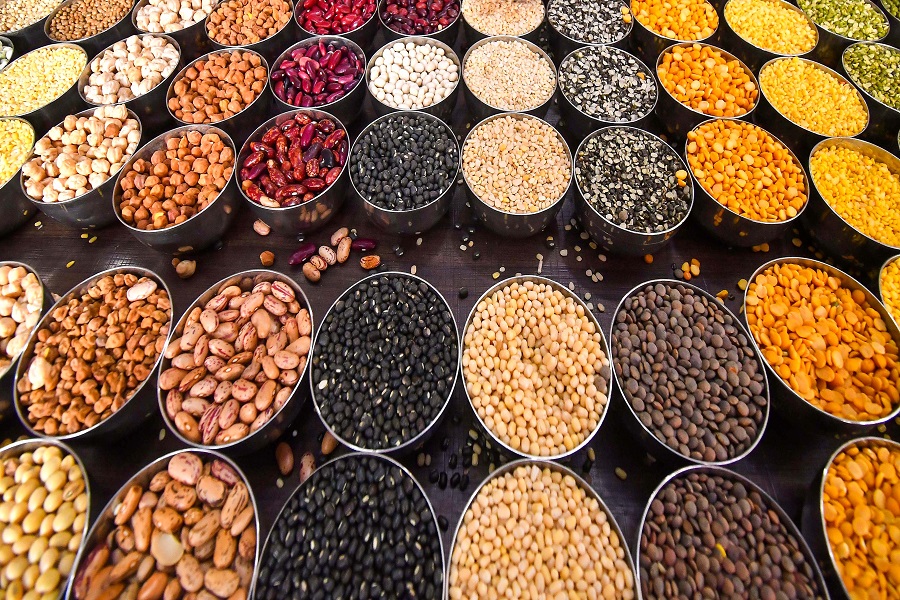
The philosophy further influences consumption habits. Slow living aligns closely with conscious and sustainable choices—buying less but better, choosing experiences over possessions, and supporting ethical and local products. This shift not only reduces environmental impact but also brings a sense of satisfaction and responsibility into daily life.
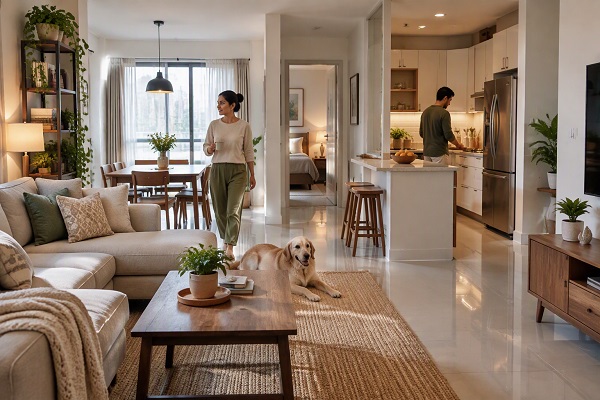
Creating a slow living environment often begins at home. A calm, uncluttered space supports mental peace and encourages relaxation. Natural light, neutral tones, and simple décor can transform a home into a sanctuary from the chaos outside. Such environments nurture reflection and help maintain balance amid external pressures.
Ultimately, slow living is a deeply personal journey rather than a rigid set of rules. It looks different for everyone—whether it means setting boundaries with technology, simplifying schedules, or making time for passions that bring joy. What unites all slow living practices is the intention to live more consciously and authentically.
In embracing slow living, individuals learn that life does not have to be hurried to be meaningful. By slowing down, we create space to breathe, to connect, and to truly experience the world around us. In a fast-paced world, choosing to live slowly is not a retreat—it is a powerful act of self-care and balance.