The Rise of Functional Fitness: What It Means for You
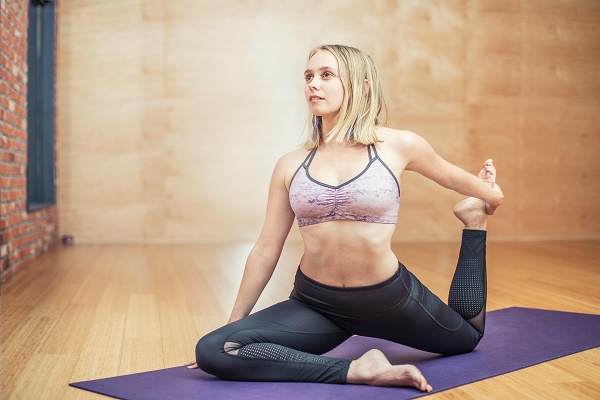
In recent years, the fitness world has seen a significant shift from traditional workout routines to a more practical and holistic approach called functional fitness. Unlike conventional exercises that often focus on isolated muscle groups or aesthetic goals, functional fitness emphasizes training the body to perform everyday activities with ease, efficiency, and reduced risk of injury. But what exactly is functional fitness, why is it gaining such popularity, and how can it benefit you? Let’s explore.
What Is Functional Fitness?
Functional fitness involves exercises that mimic natural movements we use in daily life — such as bending, lifting, pushing, pulling, and twisting. The goal is to improve strength, balance, coordination, and flexibility in a way that directly translates to better performance in real-world tasks. For example, instead of just doing bicep curls, you might perform kettlebell swings or squats that engage multiple muscle groups and joints simultaneously.
This form of training often incorporates bodyweight exercises, resistance training, balance drills, and mobility work. It’s designed to enhance your body’s ability to move efficiently, safely, and powerfully — whether you’re carrying groceries, playing with your kids, or hiking a trail.
Why Is Functional Fitness Gaining Popularity?
Real-Life Relevance: People are increasingly looking for workouts that help them move better outside the gym. Functional fitness prepares you for everyday challenges, reducing aches, pains, and injury risks.
Holistic Health Focus: It doesn’t just build muscle or burn calories; it enhances posture, core strength, flexibility, and cardiovascular health, promoting overall wellness.
Accessible to All Ages: Functional fitness exercises can be adapted for beginners, seniors, and athletes alike, making it a versatile choice.
Improved Injury Prevention: By training muscles to work together and improving joint stability, functional fitness helps prevent injuries both in daily activities and other sports.
Efficient Workouts: Because these exercises engage multiple muscle groups at once, you get a full-body workout in less time.
Key Benefits of Functional Fitness
1. Enhanced Daily Performance
Whether it’s lifting a heavy box, climbing stairs, or carrying your child, functional fitness improves your ability to perform these tasks safely and efficiently, reducing fatigue and strain.
2. Better Balance and Coordination
Many functional fitness routines focus on stability and proprioception (your body’s awareness in space), which is crucial in preventing falls and maintaining mobility as you age.
3. Increased Strength and Flexibility
Unlike isolated gym exercises, functional training builds strength in a more balanced way and improves flexibility, making movements smoother and more controlled.
4. Supports Weight Management and Cardiovascular Health
Functional workouts can be high intensity, combining strength and cardio, which aids in burning calories, improving endurance, and boosting metabolism.
5. Mental and Emotional Well-being
Engaging in varied, challenging movements can increase confidence in your physical capabilities, reduce stress, and promote a positive body image.
How to Incorporate Functional Fitness Into Your Routine
Start with Basic Movements: Squats, lunges, push-ups, planks, and deadlifts are foundational exercises that mimic daily motions.
Use Your Bodyweight: Functional fitness often requires minimal equipment; mastering bodyweight movements is key.
Add Resistance Gradually: Dumbbells, kettlebells, resistance bands, or medicine balls can increase intensity while maintaining functional movement patterns.
Focus on Form: Proper technique is essential to maximize benefits and avoid injury.
Include Balance and Mobility Training: Exercises like single-leg stands, yoga, or dynamic stretches complement strength training.
Work with a Trainer: If you’re new, a fitness professional can design a safe, effective program tailored to your needs.
Who Can Benefit From Functional Fitness?
Everyone! Whether you’re a busy professional, a stay-at-home parent, an athlete, or a senior, functional fitness offers a personalized approach to improving quality of life. It’s especially beneficial for:
Individuals recovering from injuries seeking safer ways to regain strength.
Older adults aiming to maintain independence and reduce fall risk.
Athletes wanting to improve performance through better movement mechanics.
Anyone looking for practical, efficient workouts that prepare the body for real-world challenges.
Conclusion
The rise of functional fitness marks a refreshing change in how we approach exercise — from focusing on looks or isolated strength to valuing movement quality, health, and longevity. By training your body to move smarter and stronger, functional fitness empowers you to live more actively and confidently every day. If you want a workout that supports your lifestyle and helps you thrive beyond the gym, functional fitness might just be the key.