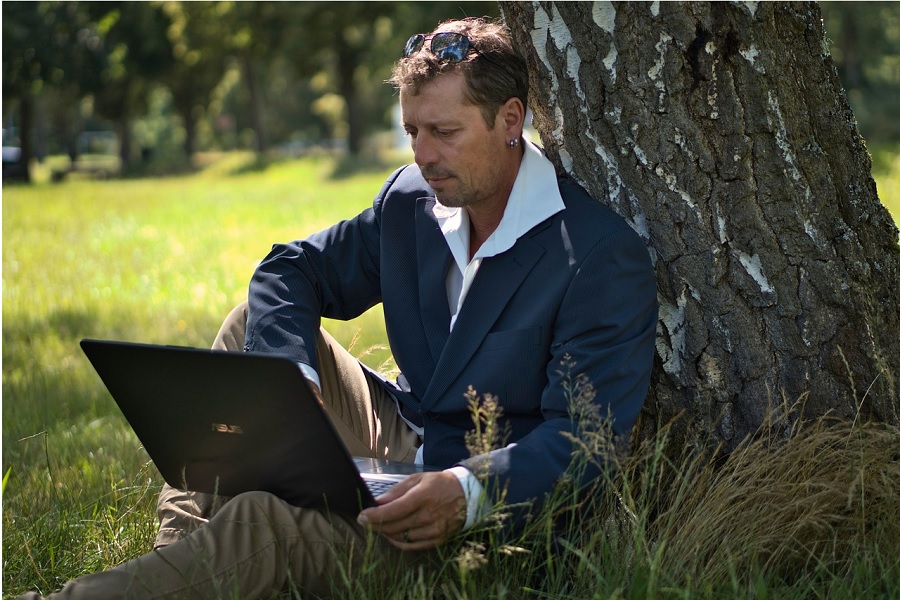
Living Simply Outdoors: Why Families Are Returning to Nature
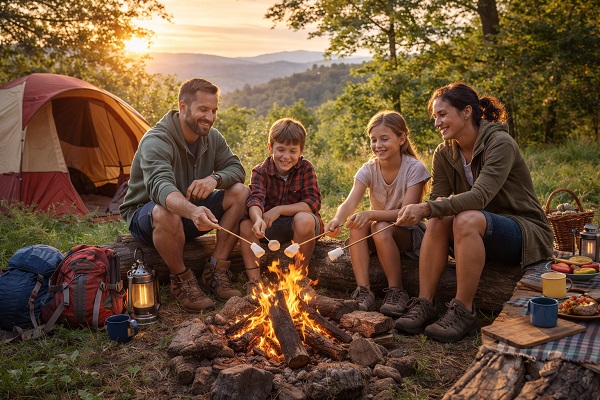
In an age dominated by screens, schedules, and constant digital noise, a quiet yet powerful shift is taking place. Families across the world are rediscovering the joy of living simply—outdoors, closer to nature, and away from the pressures of modern life. From weekend camping trips to nature-based lifestyles, this return to the outdoors reflects a deeper desire for balance, connection, and well-being.
Escaping the Fast-Paced Modern Lifestyle
Urban living has brought comfort and convenience, but it has also increased stress, fatigue, and disconnection—both from nature and from one another. Long work hours, school pressures, and excessive screen time often leave families feeling overwhelmed. Living simply outdoors offers a refreshing alternative: slower days, meaningful routines, and time to breathe without constant distractions.
Strengthening Family Bonds
One of the most compelling reasons families are returning to nature is the quality time it encourages. Outdoor living removes digital barriers and invites shared experiences—cooking together over a campfire, hiking through forests, stargazing at night, or simply talking without interruptions. These moments foster stronger communication, cooperation, and emotional bonding that busy indoor lives often lack.
Health and Well-Being Benefits
Nature has a profound impact on physical and mental health. Regular outdoor activity improves fitness, boosts immunity, and reduces lifestyle-related issues. Exposure to natural light, fresh air, and green spaces helps lower stress levels, anxiety, and depression. For children, outdoor play enhances creativity, concentration, and emotional resilience—qualities essential for healthy development.
Teaching Simplicity and Self-Reliance
Living simply outdoors teaches valuable life lessons. Families learn to appreciate essentials over excess, make mindful choices, and respect natural resources. Children gain hands-on skills such as gardening, cooking with basic tools, navigating trails, and understanding weather and seasons. These experiences build confidence, independence, and a sense of responsibility toward the environment.
Reconnecting With Nature and Sustainability
As environmental awareness grows, families are becoming more conscious of their ecological footprint. Outdoor living naturally promotes sustainable practices—reducing waste, conserving water, eating locally, and using resources thoughtfully. This reconnection nurtures respect for the planet and encourages eco-friendly habits that extend into everyday life.
Creating Meaningful Memories
Unlike material possessions, experiences in nature leave lasting impressions. Whether it’s a sunrise hike, a rainy day under a tent, or evenings spent sharing stories by firelight, outdoor moments become cherished family memories. These simple joys often have a deeper emotional value than expensive entertainment or luxury comforts.
A Return to What Truly Matters
Living simply outdoors isn’t about giving up modern life entirely—it’s about rebalancing priorities. Families are realizing that happiness doesn’t come from more things, but from more time together, better health, and a deeper connection with the natural world.
As families step outside and slow down, they are finding clarity, peace, and purpose. In embracing nature, they are not moving backward—but forward toward a more meaningful, grounded, and fulfilling way of life.