Metals & Mining Sector Report : Aluminium - Stress-testing the downside; staying constructive By Prabhudas Lilladher Ltd
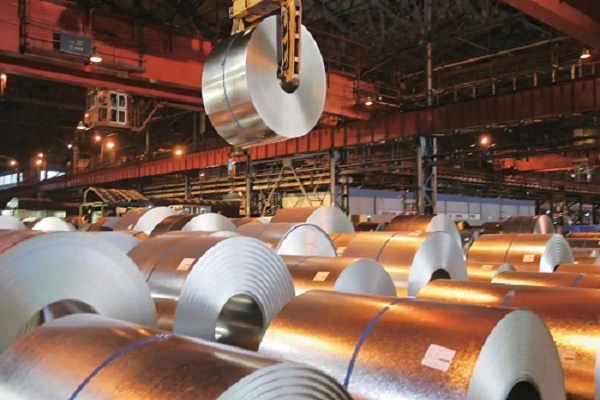
Aluminium (Al) prices have corrected sharply from their Jun-26 highs, falling below $3,000/t, as markets reassess the duration of Middle East (ME) supply disruptions, factor in faster-than-expected smelter restarts, and price in incremental Indonesian capacity. The correction has also been amplified by a stronger USD, elevated bond yields, softer physical premiums in Asia, and the unwinding of bullish positioning. Al equities have corrected in tandem, reflecting lower spot-price assumptions, potential earnings downgrades, and a partial reversal of the supply-scarcity premium embedded in valuations. While these developments warrant a more cautious near-term stance, we believe the correction should not be interpreted as the beginning of a sustained Al downcycle. Global Al inventories remain exceptionally low, the recovery of damaged GCC smelters is gradual and China’s ability to deliver a sustained increase in primary metal supply remains constrained by its capacity ceiling. Also, incremental Indonesian capacity and Chinese exports, in our view, may mitigate though not fully eliminate the supply deficit created by ME disruptions.
Price correction overstates the pace of supply recovery
Al prices have corrected ~9% in 1M as the market reassesses the duration of ME supply disruptions, with the gradual recovery of EGA’s and Alba’s operations easing concerns over prolonged supply shortages. Additionally, rising GCC output (up 2% mom; -43% yoy) with primary Al exports reaching 158kt in Aug-26, alongside higher Chinese exports, is cushioning the supply shortfall. A stronger USD and elevated bond yields have further pressured base metals, while softer physical premiums, with MJP’s 4QCY26 premium declining 35% qoq to $255/t, indicate easing near-term tightness. While these factors have unwound part of the supply-scarcity premium and weakened bullish positioning, we believe the extent of actual supply normalization remains uncertain, given the time required to restore GCC production and deliver incremental metal to end markets; hence, we expect global Al deficit to be at 1.6mt in CY26E and of 700kt in CY27E.
Inventory rebuild remains key indicator of supply normalization
Despite the price correction, LME inventories remain exceptionally low at ~239kt near multi-decade lows (Exhibit 6). At the same time, physical premiums remain elevated in several markets. The European duty-paid premium was ~$520/t in mid-October, while the US Midwest premium remained substantially higher (Exhibits 9-10), reflecting both physical availability and tariff-related costs. This divergence between weaker benchmark prices and elevated regional premiums suggests that the physical supply chain has not fully normalized. We believe this is an important distinction; LME prices are increasingly reflecting expectations of future supply recovery, while physical premiums and inventories continue to capture the tightness in immediately available metal. We believe a sustained rebuilding of exchange inventories, rather than a decline in benchmark prices alone, would provide stronger evidence that the market has transitioned into a structurally comfortable supply environment.
Al at $2,800/t; HNDL better placed to withstand downside
We stress-tested our non-ferrous coverage to assess downside risks to earnings and valuations, at a bear Al price assumption of $2,800/t and alumina at $340/t. NACL faces relatively higher downside, given its greater exposure to upstream Al realizations and operating leverage. In contrast, HNDL appears better placed to withstand the correction, supported by its diversified earnings profile and downstream operations. We believe HNDL’s relatively attractive valuation could support a positive market reaction, particularly if our stress test indicates reasonable upside even under the bear-case scenario. The key differentiator remains the extent to which current valuations already factor in lower aluminium prices and the associated earnings downgrades.
Please refer disclaimer at Report
SEBI Registration number is INH000000933




.jpg)


More News
Consumer Discretionary Sector Update : AlcoBev: Premium Growth Intact, Margin on Watch by Ch...