Meghalaya Caves Exploration: A Journey Into India’s Underground Wonder
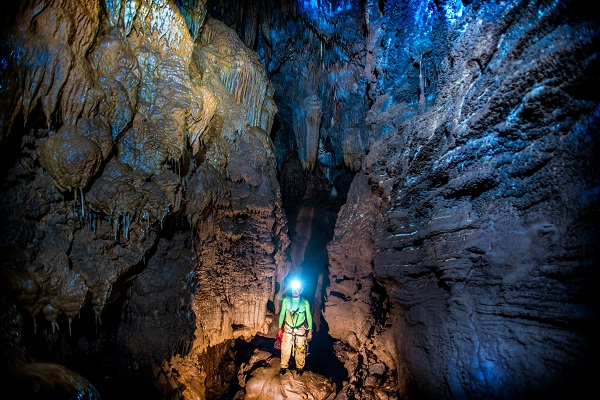
Meghalaya, often called the “Abode of Clouds,” is not only famous for its misty hills and waterfalls but also for its extraordinary cave systems. Hidden beneath its lush green landscape lies one of the most fascinating underground worlds in India—filled with limestone formations, underground rivers, ancient fossils, and mysterious passages waiting to be explored.
Why Meghalaya is a Cave Explorer’s Paradise
Meghalaya sits on rich limestone terrain, making it home to some of the longest and deepest caves in the Indian subcontinent. These caves are naturally carved over millions of years by flowing water, creating stunning stalactites, stalagmites, and complex tunnel networks.
Among the most popular cave systems are:
Mawsmai Cave – Known for its illuminated limestone passages and easy accessibility.
Siju Cave – One of the longest caves in India, famous for its bat population and underground river.
Liat Prah Cave System – Part of one of the longest cave networks in the Indian subcontinent.
What Makes These Caves Special?
Exploring Meghalaya’s caves is like stepping into another world. Inside, you’ll find:
Natural limestone formations resembling sculptures
Underground rivers flowing silently in darkness
Fossils and ancient rock layers
Narrow passages and vast chambers
Unique biodiversity including bats and cave insects
Each cave tells a geological story spanning millions of years, making Meghalaya a hotspot for both adventure tourism and scientific research.
Best Time for Cave Exploration
The ideal time to visit Meghalaya caves is between October and April, when rainfall is low and the caves are safer to access. During monsoon season, many caves become waterlogged and risky for exploration.
Adventure Experience
Caving in Meghalaya is not just sightseeing—it’s an adventure. Some caves require crawling through tight spaces, wading through water, or using ropes and headlamps. Guided tours are highly recommended, especially for deeper or less accessible caves.
Local guides from the Khasi and Jaintia communities also share legends and stories tied to these caves, adding a cultural dimension to the adventure.
Responsible Tourism Matters
As cave ecosystems are extremely fragile, visitors are encouraged to:
Avoid touching rock formations
Carry out all waste
Follow guide instructions strictly
Respect local traditions and restrictions
Preserving these natural wonders ensures they remain intact for future generations.