Marine Tourism Experiences
Marine Tourism Experiences: Exploring the Wonders of the Ocean
Introduction
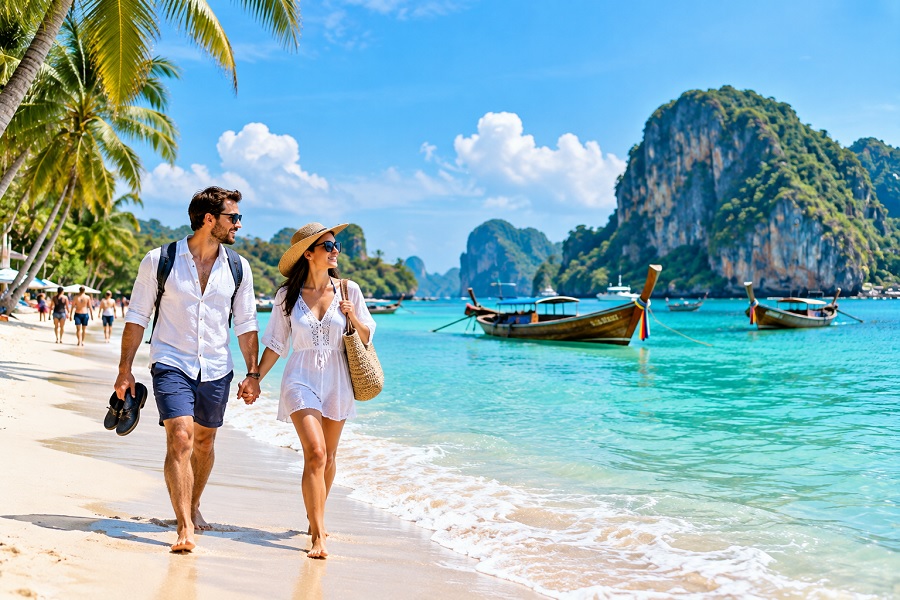
Marine tourism has become one of the fastest-growing segments of the global travel industry. From pristine beaches and coral reefs to luxury cruises and underwater adventures, marine tourism offers travelers unique opportunities to explore the beauty and biodiversity of the world's oceans. Whether seeking relaxation, adventure, wildlife encounters, or cultural experiences, marine tourism delivers unforgettable memories while connecting visitors with marine environments.
What is Marine Tourism?
Marine tourism refers to travel and recreational activities that take place in coastal and marine environments. These activities include:
Beach vacations
Scuba diving
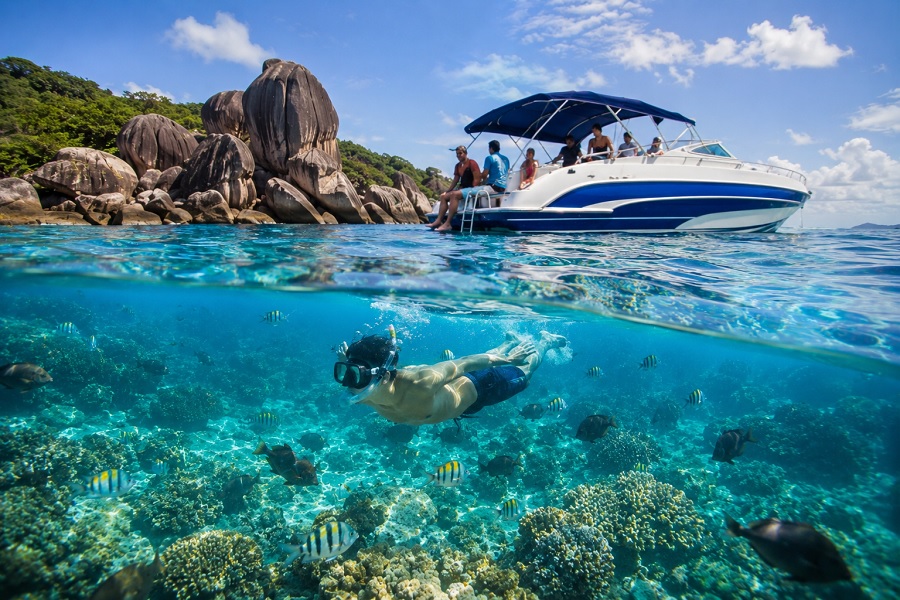
Snorkeling
Sailing
Cruise tourism
Marine wildlife watching
Fishing excursions
Island hopping
Coastal sightseeing
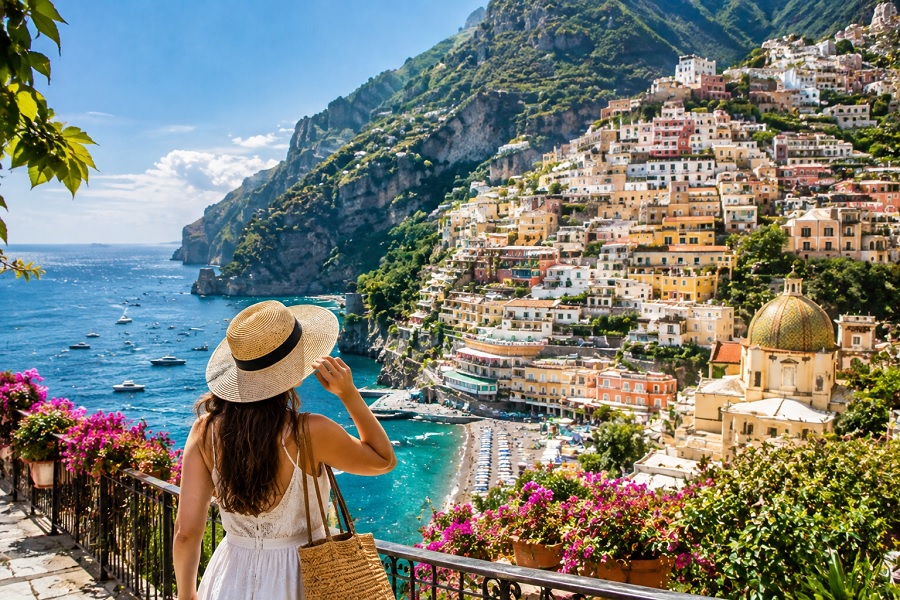
Marine tourism allows travelers to experience both natural beauty and local coastal cultures.
Popular Marine Tourism Experiences
1. Scuba Diving Adventures
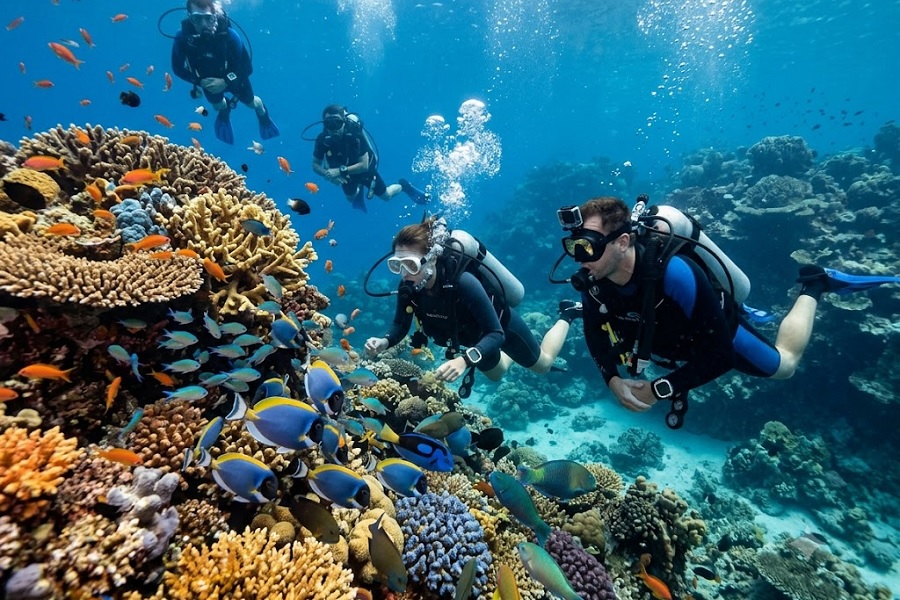
Scuba diving offers visitors the opportunity to explore underwater ecosystems, colorful coral reefs, shipwrecks, and diverse marine life. Popular diving destinations attract adventure seekers eager to witness the ocean's hidden treasures.
2. Snorkeling Experiences
Snorkeling is one of the most accessible marine activities. Tourists can observe tropical fish, coral formations, and marine habitats while swimming near the surface of crystal-clear waters.
3. Cruise Tourism
Cruise vacations continue to grow in popularity. Modern cruise ships provide luxury accommodations, entertainment, dining experiences, and access to multiple destinations within a single journey.
4. Marine Wildlife Watching
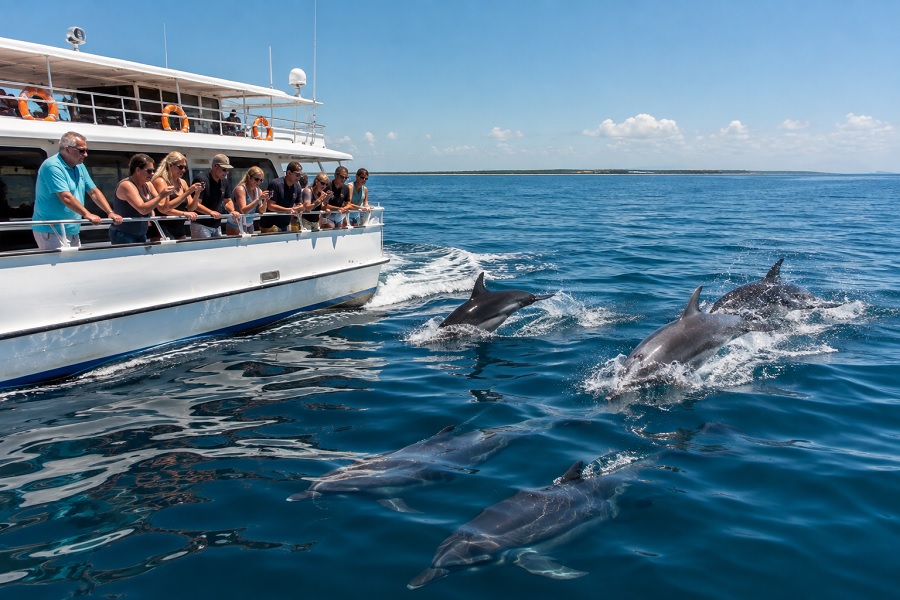
Many travelers enjoy observing marine species such as dolphins, whales, sea turtles, seals, and exotic seabirds. Wildlife tours promote appreciation for marine conservation and biodiversity.
5. Island Tourism
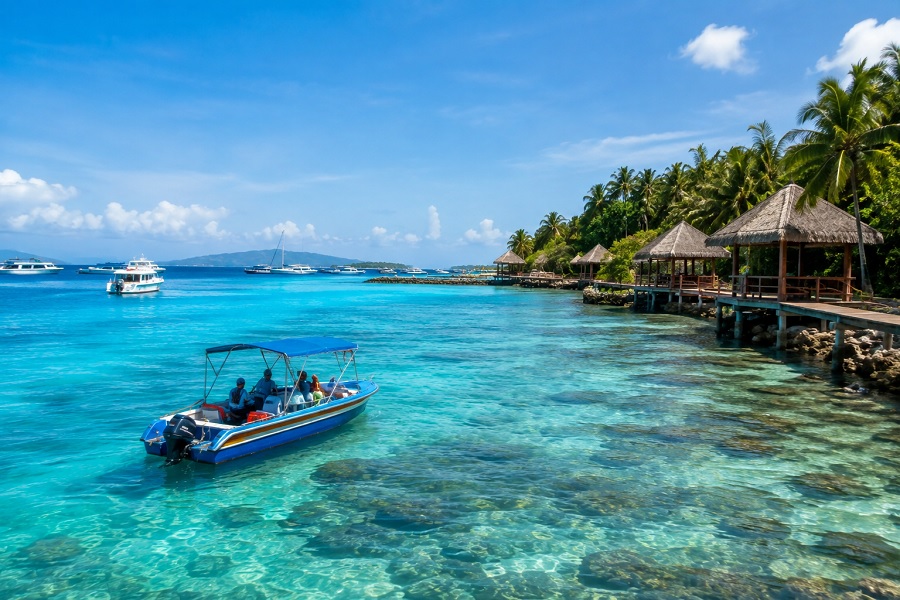
Island destinations offer breathtaking scenery, unique cultures, water sports, and relaxing environments. Island tourism remains a major driver of marine travel worldwide.
Economic Benefits of Marine Tourism
Marine tourism contributes significantly to local economies by:
Creating employment opportunities
Supporting local businesses
Encouraging infrastructure development
Promoting cultural exchange
Generating tourism revenue
Coastal communities often depend on tourism as a key source of income and economic growth.
Sustainable Marine Tourism
As tourism grows, environmental responsibility becomes increasingly important. Sustainable marine tourism focuses on:
Protecting coral reefs
Reducing plastic pollution
Conserving marine wildlife
Supporting local communities
Promoting responsible travel practices
Travelers are becoming more aware of their environmental impact and are choosing eco-friendly tourism experiences.
Emerging Trends in Marine Tourism
Several trends are shaping the future of marine tourism:
Eco-Tourism Experiences
Tourists increasingly seek environmentally responsible travel options that support marine conservation.
Luxury Marine Tourism
Luxury yachts, premium cruises, private island resorts, and exclusive diving experiences are attracting high-end travelers.
Adventure-Based Tourism
Activities such as deep-sea diving, kayaking, parasailing, jet skiing, and sailing continue to gain popularity.
Marine Photography Tourism
Photography enthusiasts travel to capture stunning ocean landscapes, underwater scenes, and marine wildlife.
Educational Tourism
Marine research centers, aquariums, and conservation projects offer visitors opportunities to learn about ocean ecosystems.
Challenges Facing Marine Tourism
Despite its growth, marine tourism faces challenges including:
Climate change impacts
Coral reef degradation
Coastal pollution
Overcrowding at popular destinations
Marine habitat destruction
Addressing these challenges requires collaboration between governments, tourism operators, conservation organizations, and travelers.
The Future of Marine Tourism
Technology, sustainability, and conservation efforts are expected to drive the future of marine tourism. Eco-friendly resorts, renewable-energy-powered vessels, smart tourism technologies, and marine conservation initiatives will help ensure that future generations can continue to enjoy ocean-based travel experiences.
Conclusion
Marine tourism experiences offer a unique combination of adventure, relaxation, education, and environmental appreciation. From exploring vibrant coral reefs and observing marine wildlife to enjoying luxury cruises and coastal escapes, marine tourism creates unforgettable journeys for travelers worldwide. As sustainable tourism practices continue to expand, marine tourism will play an increasingly important role in protecting and celebrating our oceans while supporting coastal communities and local economies.