Is Solo Travel in Rural Areas Worth the Extra Effort?
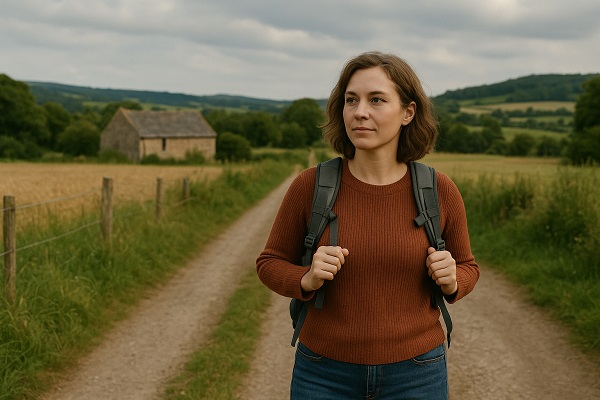
Travel has evolved beyond the typical urban city tours and crowded tourist hotspots. Increasingly, solo travelers are drawn to the quiet charm of rural areas—places where nature, tradition, and simplicity reign. But solo travel in these less-traveled, often remote, rural destinations can demand more effort in planning and execution. So, is it really worth it? Let’s explore the benefits and challenges of solo rural travel and why many believe it offers a uniquely rewarding experience.
The Challenges of Solo Rural Travel
Traveling alone in rural areas often means stepping outside the comforts and conveniences of urban life:
Limited Infrastructure: Transportation can be infrequent, accommodation options may be scarce or basic, and connectivity (internet, mobile networks) might be weak.
Language and Cultural Barriers: In many rural regions, local dialects or languages may differ significantly from mainstream ones, making communication challenging.
Safety Concerns: Remote locations may lack immediate access to medical facilities or emergency services.
Planning and Logistics: Without the support systems common in cities—tourist information centers, frequent public transport, guided tours—solo travelers must prepare thoroughly.
These factors can seem daunting, especially for first-time solo travelers.
The Rewards: Why Many Say It’s Worth the Extra Effort
Despite the hurdles, solo travel in rural areas offers unmatched experiences:
1. Deep Cultural Immersion
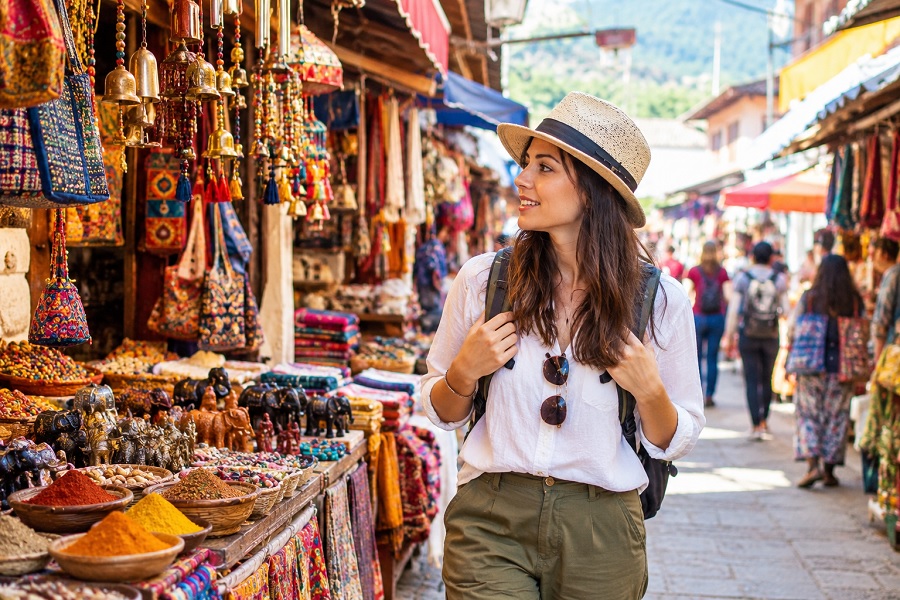
Rural areas often preserve authentic traditions, crafts, and lifestyles that have remained unchanged for generations. Traveling solo allows you to connect with locals on a personal level, often resulting in richer cultural exchanges than crowded urban tours can offer.
2. Tranquility and Nature
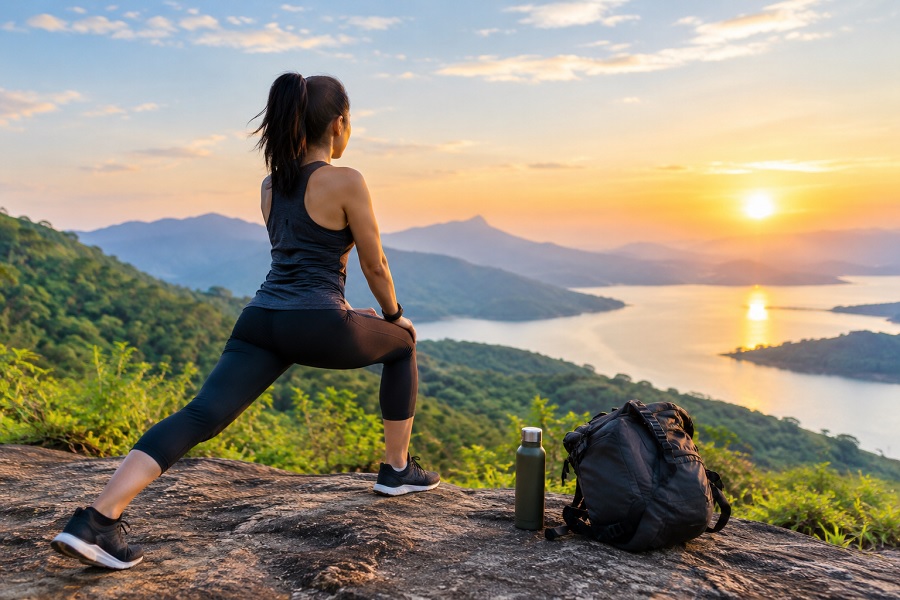
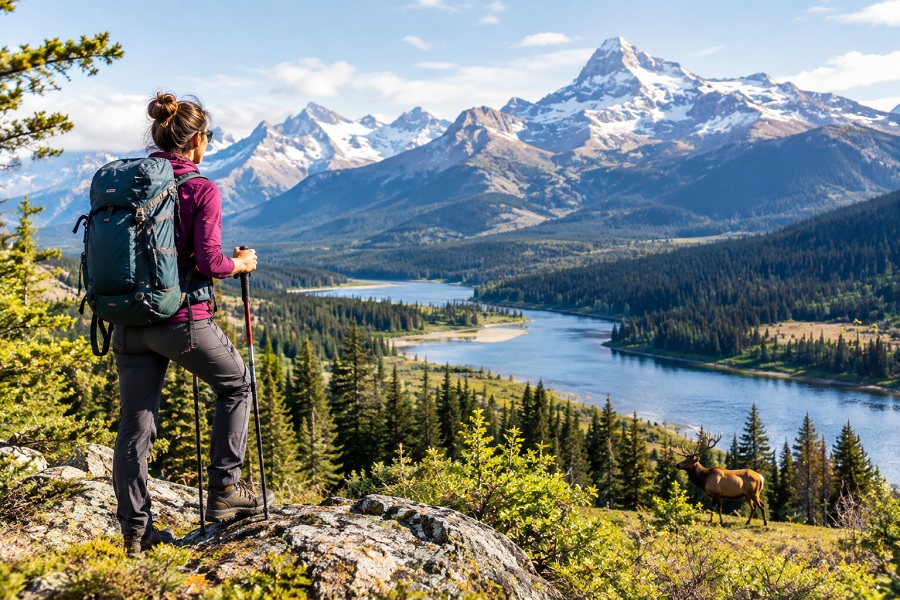
The peace and beauty of rural landscapes—rolling hills, forests, rivers, and starry skies—are rejuvenating. Traveling solo gives you the freedom to set your own pace, linger in nature, and enjoy quiet reflection without distractions.
3. Personal Growth and Confidence
Overcoming the unique challenges of rural travel builds resilience, problem-solving skills, and self-reliance. Solo travelers often find a profound sense of accomplishment and confidence from navigating unfamiliar, less structured environments.
4. Unique Stories and Connections
Solo rural travel invites spontaneous interactions—sharing meals with a host family, participating in local festivals, or learning traditional crafts. These moments create lasting memories and friendships that are hard to replicate in more commercial settings.
Tips to Make Solo Rural Travel Safer and More Enjoyable
Research Thoroughly: Know your destination’s culture, transportation, and accommodations beforehand.
Learn Basic Local Phrases: Even a few words can open doors and build goodwill.
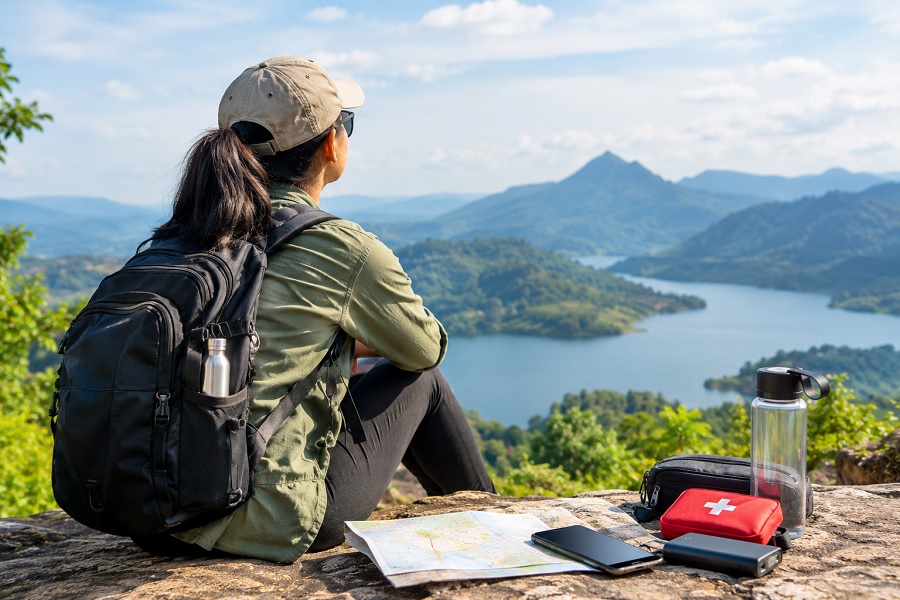
Stay Connected: Carry portable chargers and consider offline maps or guides.
Choose Accommodations Wisely: Opt for guesthouses or homestays with good reviews from solo travelers.
Share Your Itinerary: Keep friends or family informed about your plans.
Travel Light but Prepared: Pack essentials for changing weather, health, and safety.
Be Respectful and Open-Minded: Embrace local customs and practices.
Conclusion
Solo travel in rural areas might require extra effort, patience, and flexibility, but for many, the payoff is well worth it. It offers a rare chance to disconnect from the hectic modern world, connect deeply with culture and nature, and discover strength within oneself. If you’re seeking travel that challenges, inspires, and enriches, rural solo travel is a rewarding path worth exploring.