India Wheat Procurement Surpasses Target on Record Output by Amit Gupta, Kedia Advisory
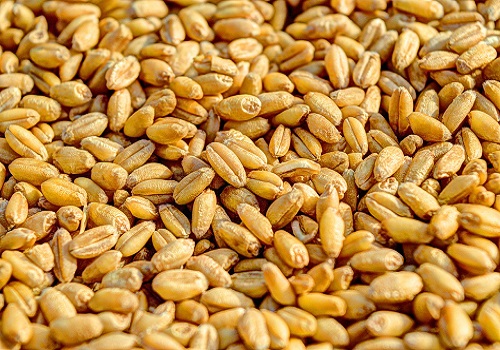
India's wheat procurement for the 2026-27 rabi marketing season has crossed 35 million tonnes, marking a 17% increase from last year's 30 million tonnes and exceeding the government's target of 34.5 million tonnes. Strong procurement was supported by record wheat production of 120.65 million tonnes and market prices remaining below the Minimum Support Price (MSP), encouraging farmers to sell to government agencies. Major wheat-producing states, including Punjab, Madhya Pradesh, Haryana, Uttar Pradesh, and Rajasthan, recorded higher procurement volumes. The increased procurement is expected to strengthen government stocks and ensure adequate supplies for food security programs.
Key Highlights
- Wheat procurement rose 17% to over 35 million tonnes in 2026-27.
- Government procurement exceeded the target of 34.5 million tonnes.
- Record wheat production of 120.65 million tonnes supported arrivals.
- Madhya Pradesh recorded the largest increase, reaching 10.4 million tonnes.
- Higher procurement will strengthen food security and buffer stock availability.
Wheat market fundamentals remain robust as government procurement for the 2026-27 rabi marketing season has crossed 35 million tonnes, registering a strong 17% increase compared to 30 million tonnes procured during the previous season. The procurement has also surpassed the official target of 34.5 million tonnes, reflecting healthy crop availability and strong arrivals across major producing states.
The increase in procurement was largely supported by record domestic wheat production estimated at 120.65 million tonnes. Despite localized crop damage caused by unseasonal rainfall and hailstorms in some regions, overall output remained strong, ensuring adequate supplies in agricultural markets. Market prices in several mandis remained below the Minimum Support Price (MSP), encouraging farmers to sell their produce to government procurement agencies.
The Food Corporation of India (FCI) and state procurement agencies have actively purchased wheat to maintain buffer stocks and meet requirements under the National Food Security Act and various welfare schemes. Strong procurement levels are expected to improve food grain availability and support government distribution programs throughout the year.
Among key producing states, Punjab remained the largest contributor with procurement reaching 12.1 million tonnes, slightly higher than last season's 11.9 million tonnes. Madhya Pradesh recorded the most significant growth, with procurement rising to 10.4 million tonnes from 7.8 million tonnes a year earlier. Haryana also reported an increase to 8.1 million tonnes from 7 million tonnes.
Other states witnessed notable improvements as well. Uttar Pradesh nearly doubled procurement to 1.7 million tonnes, while Rajasthan increased purchases to 2.4 million tonnes. The strong performance across major wheat-growing regions highlights favorable crop availability and efficient procurement operations during the current marketing season.
Higher wheat procurement and record production have significantly strengthened government stocks, ensuring ample availability for food security programs while enhancing overall supply stability in the domestic market.
Above views are of the author and not of the website kindly read disclaimer