Gujarat Kharif Sowing Remains Below Last Year Despite Oilseed Gains by Amit Gupta, Kedia Advisory
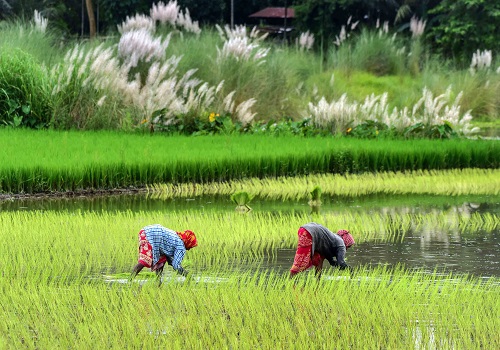
Gujarat's Kharif 2026 sowing reached 7,617,104 hectares as of 17 August 2026, covering 89.29% of the state's normal area of 8,530,803 hectares. Sowing remained below the 7,805,567 hectares recorded during the corresponding period last year, a decline of 188,463 hectares or around 2.42%. Total pulses acreage increased to 388,746 hectares, while oilseed sowing reached 2,741,000 hectares. Soybean and groundnut acreage exceeded their normal levels at 107.51% and 107.50%, respectively. However, sesamum, castor and guar seed remained significantly below normal. Overall, mixed sowing trends continue to influence Gujarat's agricultural supply outlook.
Key Highlights
• Gujarat's Kharif sowing reached 7,617,104 hectares, down 188,463 hectares or 2.42% year-on-year.
• Total pulses acreage increased to 388,746 hectares, covering 93.37% of normal area.
• Soybean sowing reached 302,410 hectares, exceeding normal acreage at 107.51%.
• Groundnut acreage stood at 2,058,963 hectares, reaching 107.50% of its normal area.
• Sesamum and castor remained weak at just 33.79% and 53.00% of normal acreage.
Agricultural commodity prices are likely to retain underlying support as Gujarat's overall Kharif sowing continues to remain below last year's level. The latest data indicates that while key crops such as soybean and groundnut have achieved acreage above their normal levels, several other crops remain significantly below normal. This mixed planting pattern could keep supply expectations varied across agricultural commodities and influence price direction through the remainder of the season.
According to the Gujarat Agriculture Department, total Kharif sowing reached 7,617,104 hectares as of 17 August 2026, compared with 7,805,567 hectares during the corresponding period last year. This represents a decline of 188,463 hectares, or approximately 2.42%. Total cereal acreage stood at 1,289,679 hectares, covering 93.44% of normal area, while total pulses reached 388,746 hectares, or 93.37% of normal.
Pulse acreage showed a relatively firm trend, with tur at 261,519 hectares, equivalent to 101.97% of normal, while urid reached 87,854 hectares, or 106.82% of normal. Moong, however, remained lower at 50.97% of its normal acreage.
Oilseeds remained the key area of strength, with total sowing reaching 2,741,000 hectares, or 93.50% of normal. Groundnut stood at 2,058,963 hectares, while soybean reached 302,410 hectares, with both crops exceeding their normal acreage at 107.50% and 107.51%, respectively. In contrast, sesamum covered only 33.79% of normal area and castor 53.00%.
Cotton acreage reached 2,135,094 hectares, covering 89.59% of normal, while guar seed stood at 43,403 hectares, or 49.39% of normal.
Gujarat's lower overall sowing remains supportive for agricultural prices, while strong soybean and groundnut acreage may moderate supply concerns in key oilseed markets.
Above views are of the author and not of the website kindly read disclaimer