India Pulses Imports Fall Sharply in FY26 on Lower Prices by Amit Gupta Kedia Advisory
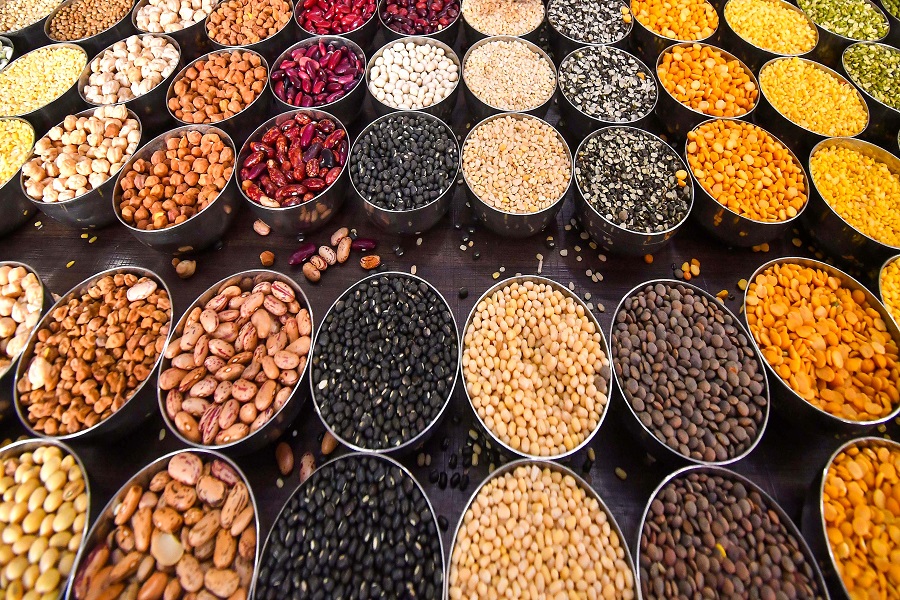
India’s pulses import bill declined sharply by about 35% to $3.57 billion in FY2025-26 due to a combination of lower global prices and reduced import volumes. Total imports fell to around 5.6–5.7 million tonnes compared to 7.3 million tonnes in the previous year. Prices of key pulses such as chana, yellow peas, lentils, and pigeon pea dropped by nearly 10% on average. Higher domestic carryover stocks and weaker buying interest contributed to lower imports. Despite policy support, including duty-free imports for tur and urad, global price resistance and cautious buying behavior limited overall import demand.
Key Highlights
* India’s pulses import bill dropped 35% to $3.57 billion in FY26.
* Total import volumes declined to ~5.6–5.7 million tonnes from 7.3 million tonnes.
* Average pulses prices fell around 10% across major varieties.
* Chana and yellow peas imports dropped nearly 50% year-on-year.
* Higher domestic stocks and global price resistance slowed import demand.
India’s pulses market witnessed a notable correction in FY2025-26, driven primarily by softer price trends across major varieties. Prices of key pulses such as chana, yellow peas, lentils, and pigeon pea declined by an average of nearly 10% compared to the previous year. Yellow pea prices eased to $320–330 per tonne from $380–400 levels, while pigeon pea prices dropped significantly to $700–850 from the earlier $1,000–1,100 range. Chana prices also softened from around $650 per tonne to $470–480 before recovering slightly to $510–520 levels.
The decline in prices was supported by ample global supplies and subdued demand. Despite the Indian government imposing a 30% import duty on yellow peas, prices remained under pressure, reflecting weak buying interest and comfortable availability. Additionally, higher carryover stocks from the previous year reduced the urgency for fresh imports, further weighing on price momentum.
On the import front, India’s pulses imports fell sharply both in value and volume terms. Total import volumes declined to around 5.6–5.7 million tonnes, significantly lower than the record 7.3 million tonnes imported in FY2024-25. Chana and yellow peas imports dropped nearly 50%, while lentil imports also registered a decline. However, imports of pigeon pea (tur) and urad remained relatively stable due to continued domestic demand.
Australia, a key supplier of chana, saw increased production, but exporters resisted selling below $575 per tonne, limiting trade flows. Meanwhile, government policy support continued, with duty-free imports for tur and urad extended until March 2027, ensuring supply stability.
Overall, lower prices, ample stocks, and cautious buying led to reduced imports, while supportive policies aim to maintain supply balance in India’s pulses market going forward.
Above views are of the author and not of the website kindly read disclaimer